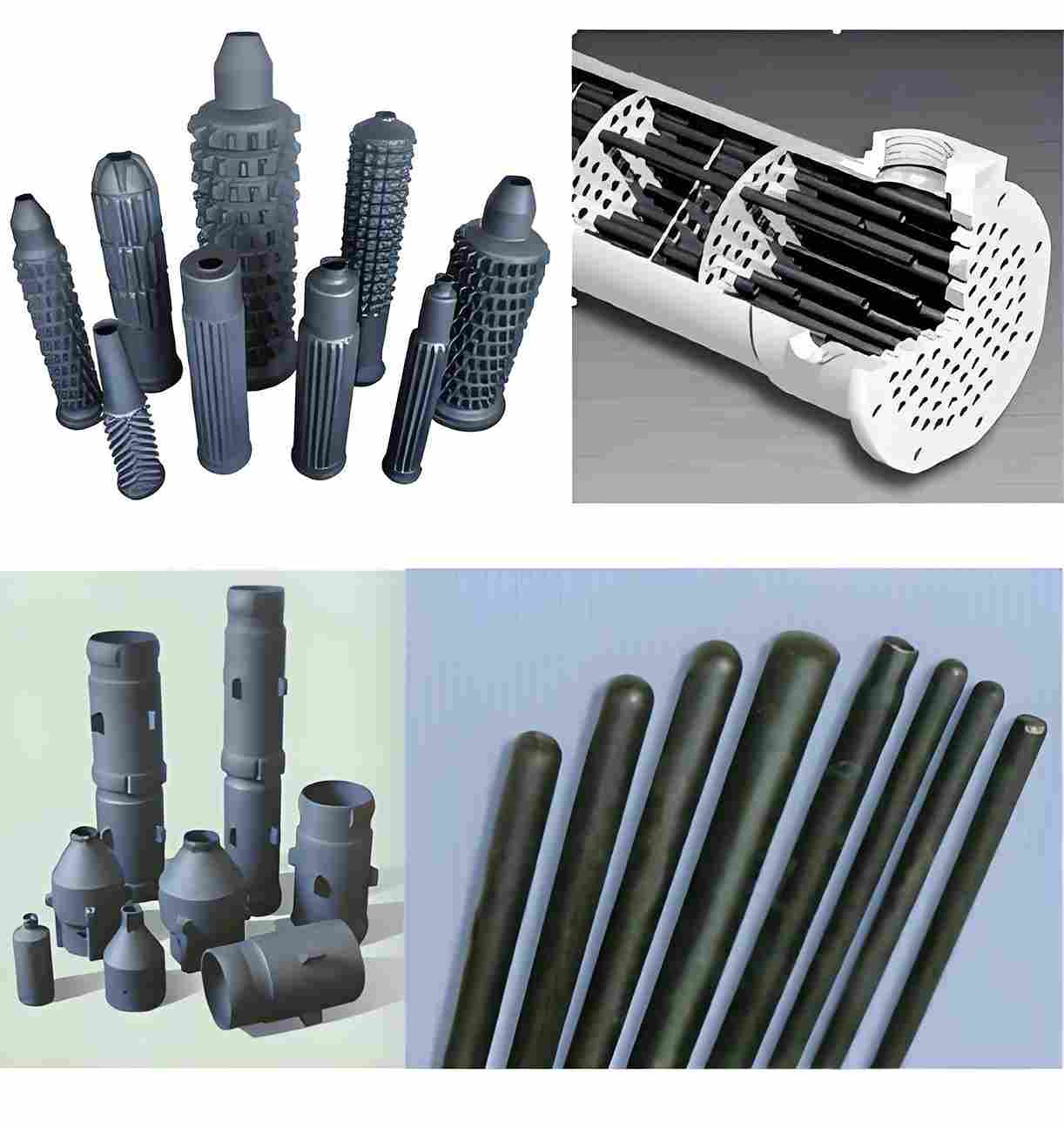
If you are still using standard alumina or metal components in high‑temperature, high‑wear environments, you may already be paying the hidden price of frequent replacements, unexpected downtime, and inflated maintenance budgets.
Quick FAQ
- When does silicon carbide become cost‑effective? When the total cost of ownership (material, labor, downtime) exceeds the price premium of SiC.
- Can ZIRSEC supply custom SiC parts quickly? Yes – we keep a broad inventory of standard sizes and can turn a CAD drawing into a finished part within 4‑6 weeks.
- What are the key performance metrics? Tensile strength > 400 MPa, thermal shock resistance up to 1600 °C, and corrosion resistance in acids, alkalis, and molten salts.
- Is the upgrade risky? Minimal – we provide full engineering support, material certifications, and on‑site testing if required.
1. Your Current Parts Fail Faster Than Expected
In a recent project for a European pump‑valve manufacturer, the alumina seal rings cracked after only 8 months of operation at 1200 °C. The failure reduced production capacity by 12 % and cost the client roughly $15,000 in lost output. When we replaced the rings with silicon carbide (SiC)‑based seal rings, the lifetime extended to over 30 months with no measurable wear.
SiC’s superior fracture toughness (up to 5 MPa·m½) and hardness (≈ 2400 HV) mean it can absorb impact loads that would shatter conventional ceramics. If you notice a pattern of premature cracks, surface pitting, or chipping, it’s a strong signal that SiC should be evaluated.
2. Temperature Limits Are Being Tested
Many processes in steelmaking, glass furnaces, and semiconductor annealing push temperatures beyond 1300 °C. Alumina loses strength rapidly above 1200 °C, while SiC retains over 80 % of its mechanical strength up to 1600 °C. One of our steel‑plant customers reported a 22 % drop in furnace tube deformation when switching from a 1350 °C‑rated metal alloy to a SiC tube. The result: lower energy consumption and fewer tube changes per year.
If you are cycling between 1200 °C‑1500 °C or operating near the upper limit of your current material, the thermal expansion mismatch and oxidation resistance of SiC become decisive advantages.
3. Corrosive or Abrasive Media Are Accelerating Wear
Silicon carbide is chemically inert in most acids, bases, and molten salts. In a plant processing phosphoric acid, we observed a 40 % reduction in wear on SiC flow‑through liners compared to titanium alloys. The same SiC liners also showed negligible degradation after 200 hours in a chlorine‑rich environment, where stainless steel suffered pitting.
If you regularly replace parts due to corrosion, or if you’ve had to specify expensive high‑nickel alloys as a stop‑gap, it’s time to consider SiC for its unrivaled chemical durability.
4. Your Production Schedule Is Suffering From Unplanned Downtime
Unexpected part failures translate directly into lost hours on the shop floor. The German equipment integrator we worked with faced a 7‑day delay because a custom SiC burner nozzle was delayed by a third‑party supplier. After they switched to ZIRSEC’s in‑house production line, the same nozzle was delivered within 48 hours of order confirmation, eliminating the bottleneck.
We keep an extensive inventory of standard‑size SiC tubes, plates, and rings that ship within 24 hours from our Shanghai facility. For custom designs, our rapid prototyping workflow (CAD → CNC machining → sintering) cuts development time by 30‑40 % compared with most competitors.
5. The Total Cost of Ownership (TCO) Is Higher Than Expected
It’s easy to focus on unit price, but the real economics involve purchase price, installation labor, downtime, and disposal costs. A case study with a US‑based water‑treatment plant showed that, although a SiC filter element cost 1.8 × the price of a polymer‑based alternative, the plant saved $120,000 annually by avoiding filter replacements every 6 months and eliminating hazardous waste disposal fees.
When your maintenance budget is spiraling, run a simple TCO spreadsheet:
Total Cost = Material Price + (Downtime × Hourly Loss) + (Labor × Hours) + (Disposal × Units). If the result favors SiC, the upgrade is justified.
How ZIRSEC Makes the Transition Seamless
We have been producing silicon carbide ceramics for two decades, serving customers in chemicals, metallurgy, energy, and environmental equipment. Our value‑added services include:
- Engineering Support: Our in‑house material scientists work with your design team to optimize geometry, tolerances, and heat‑treatment cycles.
- Custom Manufacturing: From a single prototype to a 10 000‑piece production run, we adhere to ISO 9001 and provide full traceability (COA, MSDS, test reports).
- Rapid Delivery: Standard SiC tubes, plates, and rings ship from stock within 24 hours. Custom orders follow a fast‑track schedule: design confirmation (2 days) → prototype (7‑10 days) → full production (4‑6 weeks).
- Logistics Integration: We handle export documentation, insurance, and can arrange door‑to‑door delivery to North America, Europe, or Asia‑Pacific.
Explore our range of silicon carbide tubes here: Silicon Carbide Tubes. Whether you need a standard 25 mm Ø pipe or a bespoke 150 mm Ø high‑temperature liner, we have the capability to deliver.
Action Plan for Decision‑Makers
1. Audit Current Components: List all parts operating above 1200 °C, in corrosive media, or experiencing wear rates > 0.1 mm/month.
2. Calculate TCO: Use the simple spreadsheet model above to compare existing material costs with projected SiC savings.
3. Request a Sample: Send us your CAD files; we will return a machined SiC prototype within 10 days.
4. Run a Side‑by‑Side Test: Install the SiC sample in one line while keeping the existing part in another. Track performance for 30‑60 days.
5. Make the Switch: If the SiC sample meets or exceeds expectations, convert the full order. Our sales engineer will provide a detailed quotation, lead time, and logistics plan.
Conclusion
When you see any of the five signals—frequent failures, temperature stress, corrosive wear, unplanned downtime, or a rising TCO—it’s time to upgrade to silicon carbide. The material’s unique combination of high‑temperature strength, chemical inertness, and wear resistance delivers measurable ROI within months.
At ZIRSEC we combine two decades of production expertise with a customer‑first approach, ensuring that the transition from legacy components to SiC is smooth, cost‑effective, and fully supported from design to delivery.