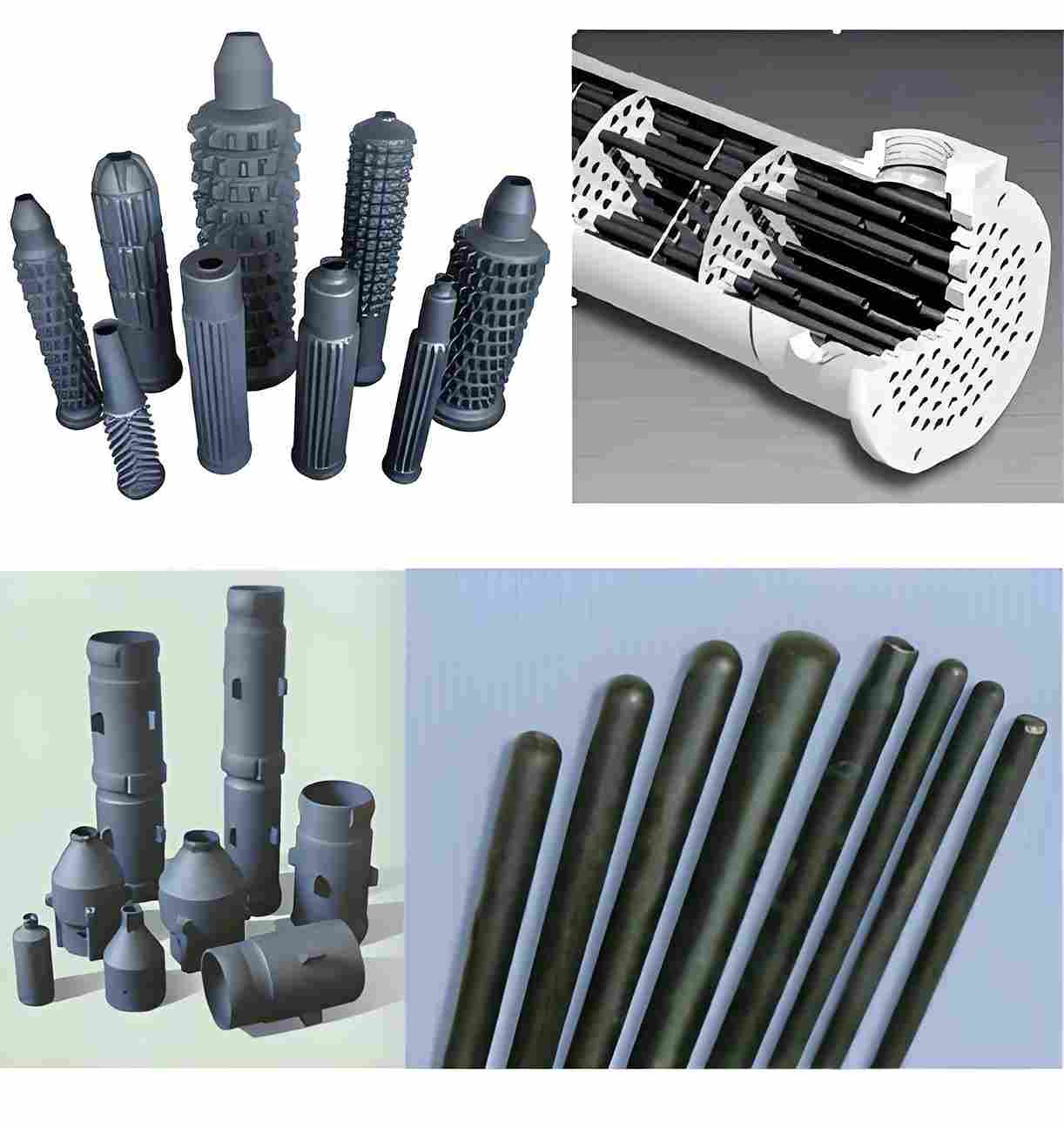
When choosing materials for chlorine and chloride-rich media, engineers face one of the toughest corrosion challenges in the chemical industry. Standard stainless steels like 304 or 316 are often wholly inadequate, succumbing to rapid pitting and stress corrosion cracking. Even high-grade nickel alloys can struggle under specific temperature and concentration conditions. The solution for long-term reliability increasingly points to advanced ceramics, specifically Silicon Carbide (SiC).
At ZIRSEC, we specialize in manufacturing corrosion-resistant ceramic components that thrive where metals fail. With over 20 years of experience supplying the chemical sector, we help plants transition from frequent maintenance cycles to permanent solutions.
Why Chlorides Destroy Metals
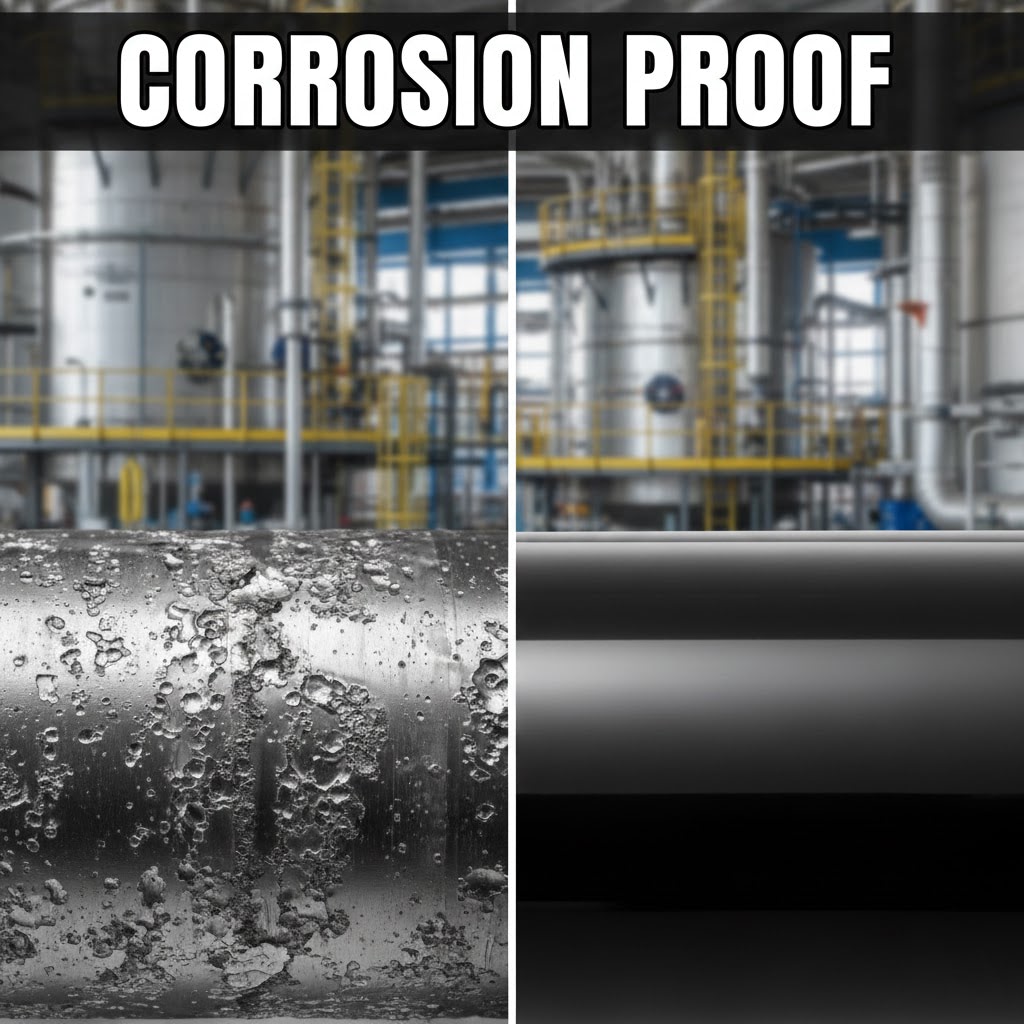
To understand the value of ceramics, we must first look at the failure mechanism of metals. In chloride-rich environments (such as brine, hydrochloric acid, or chlorinated solvents), the protective passive layer on stainless steel breaks down.
- Pitting Corrosion: Chlorides penetrate the metal surface, creating deep, localized holes that can cause leaks in pipe walls or valve bodies.
- Crevice Corrosion: In tight spaces like seal faces or flange gaskets, the stagnant solution becomes highly acidic, accelerating metal loss.
- Stress Corrosion Cracking (SCC): Under tensile stress and heat, chlorides can cause sudden, catastrophic structural failure in metal parts.
Silicon Carbide: The Inert Alternative
When choosing materials for chlorine and chloride-rich media, Silicon Carbide stands out because it does not rely on a passive oxide layer. It is a covalent carbide that is chemically inert to almost all acids and alkalis.
ZIRSEC’s Sintered Silicon Carbide (SSiC) contains no free silicon, making it impervious to chemical attack across the entire pH range (0-14). Whether you are handling hot wet chlorine gas or concentrated brine, SiC maintains its structural integrity and mirror-like surface finish, ensuring seals remain tight and pumps maintain efficiency.
Critical Applications in Chemical Processing
Where should you prioritize the installation of SiC components? Based on our customer case studies, these are the high-impact areas:
1. Magnetic Drive Pump Components
In sealless pumps handling hazardous chlorine fluids, the containment shell and bearings are critical. SiC bearings provide the necessary hardness to resist wear while being totally unaffected by the process fluid.
2. Heat Exchanger Tubes
For cooling corrosive electrolytes or acids, SiC tubes offer thermal conductivity higher than many metals, without the risk of corrosion fouling that reduces heat transfer efficiency.
3. Spray Nozzles and Quenchers
In scrubbers removing chlorine gas, nozzles must endure both chemical attack and erosion. ZIRSEC manufactures custom SiC nozzles that maintain precise spray patterns for years.
ZIRSEC: Custom Engineering for Corrosive Environments
Sourcing ceramics for existing chemical plants can be difficult if you rely on standard catalog parts. ZIRSEC solves this by offering bespoke manufacturing.
- Direct Replacement: We can reverse-engineer your corroded metal impellers, bushings, or sleeves and reproduce them in high-purity Silicon Carbide.
- Fast Track Delivery: We know that chemical plants often operate on tight shutdown schedules. ZIRSEC keeps standard blanks in stock to ensure rapid machining and delivery, often cutting weeks off the lead time compared to European suppliers.
- Technical Support: Our engineering team can review your chemical compatibility requirements and recommend the exact grade of SiC needed.
Make the Right Choice for Safety and Longevity
The cost of a chemical leak far outweighs the investment in superior materials. By choosing materials for chlorine and chloride-rich media that are scientifically proven to resist corrosion, you protect both your personnel and your bottom line.
Stop replacing corroded parts. Start upgrading them. Contact ZIRSEC today at info@zirsec.com or visit www.zirsec.com to discuss your specific corrosion challenges with our experts.