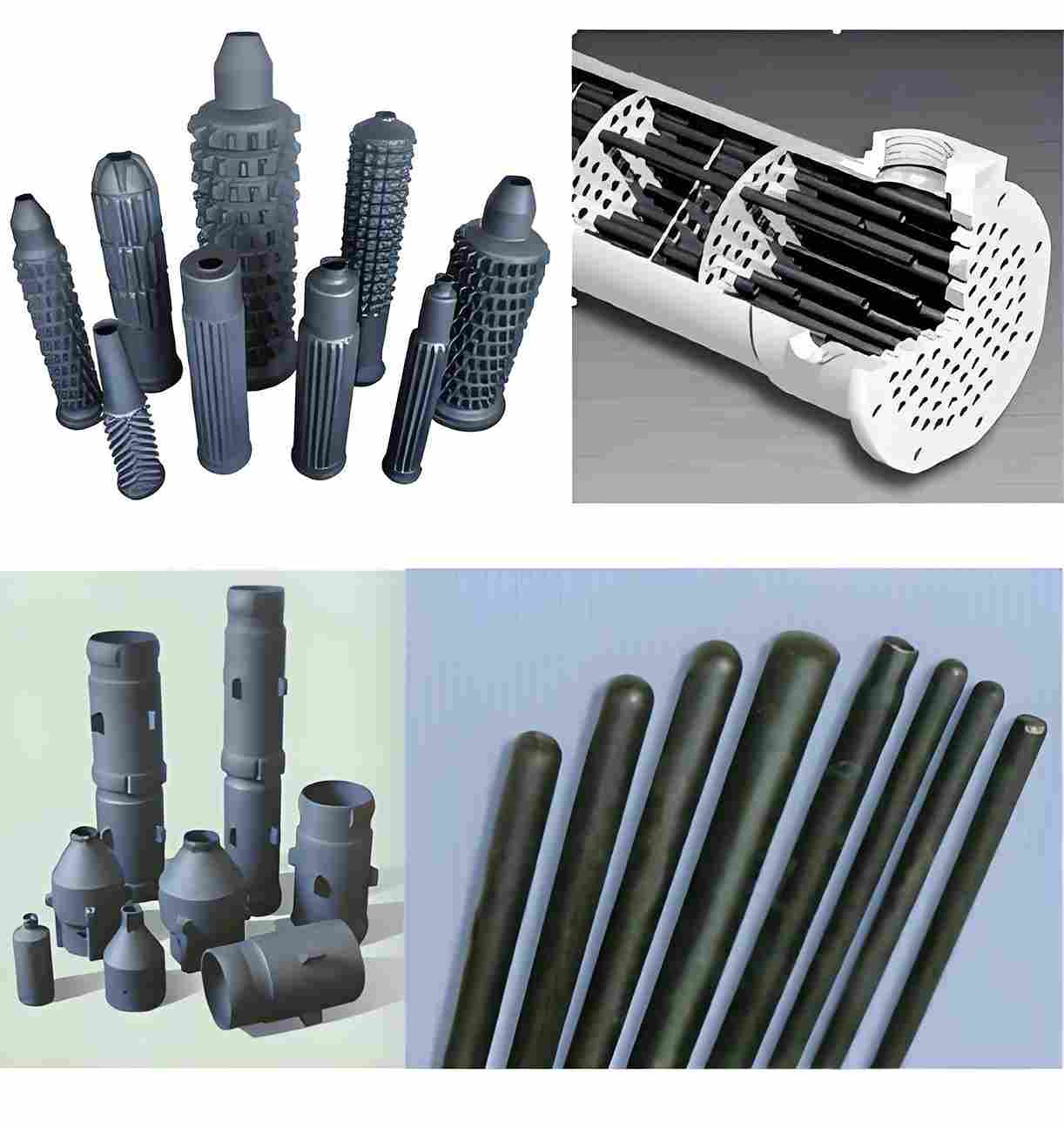
Silicon carbide (SiC) ceramics are increasingly chosen for high‑temperature, high‑wear applications, but the real question for engineers and procurement managers is: how does their environmental profile compare to alternatives, and what can be done to minimise impact throughout the product lifecycle?
Quick Summary
- SiC raw material extraction accounts for ~30% of total CO₂ emissions; most of the remainder comes from sintering at 1800‑2000 °C.
- Recycling rates above 85% are achievable when parts are collected and re‑ground into new powder.
- Compared with Al₂O₃, Si₃N₄ and metallic alloys, SiC offers a superior lifespan‑to‑energy‑use ratio, often reducing overall carbon cost by 40‑60%.
- ZIRSEC provides ISO‑9001/TS‑16949‑compliant production, in‑house waste‑heat recovery, and a 24‑hour stock for standard sizes, cutting lead time and transport emissions.
Why Sustainability Matters for SiC Ceramic Buyers
Most purchasing decisions in the chemical, metallurgical and renewable‑energy sectors now include a sustainability clause. Customers demand data on embodied energy, waste generation, and end‑of‑life handling. Missing that information can stall projects, increase compliance costs, or even lead to lost contracts.
Environmental Impact of SiC Ceramic Production
Raw Material Extraction
SiC is produced from quartz sand and petroleum‑derived carbon sources. Mining quartz consumes 2‑4 MJ/kg of energy, while the carbon source is often a by‑product of coke production. Modern mines in China and Brazil have introduced reclaimed water cycles that cut freshwater use by 45%.
Sintering and Densification
The bulk of SiC’s carbon footprint comes from sintering at 1800‑2000 °C for 2‑4 hours. A typical 1‑kg batch releases roughly 1.2 kg CO₂ when powered by natural‑gas furnaces. ZIRSEC has installed a waste‑heat recovery system that pre‑heats incoming raw powder, saving up to 18% of furnace energy.
Machining and Finishing
Because SiC is extremely hard (Mohs 9.5), machining requires diamond‑coated tools and coolant flows that generate additional waste. Optimising CNC parameters can reduce tool wear by 30% and lower coolant consumption from 12 L/kg to 7 L/kg.
Transport and Logistics
Shipping standard‑size SiC tubes and plates from a Chinese factory to Europe typically generates 0.15 kg CO₂ per kilogram of product via sea freight. ZIRSEC maintains a 24‑hour inventory of common dimensions, allowing consolidation of orders and reducing the number of shipments by an average of 22%.
Sustainability Advantages Over Competing Materials
| Material | Typical Service Life (hrs) | Embodied Energy (MJ/kg) | Recyclability | Key Sustainability Note |
|---|---|---|---|---|
| SiC Ceramic | >200,000 | ≈ 22 | 85‑90 % (powder recovery) | Longest lifespan in corrosive, high‑temp environments → lower total emissions. |
| Al₂O₃ Ceramic | ≈ 80,000 | ≈ 18 | ~60 % | Higher fracture rate leads to more frequent replacements. |
| Si₃N₄ Ceramic | ≈ 120,000 | ≈ 30 | ~70 % | Higher production temperature offsets durability gains. |
| Nickel‑Based Superalloy | ≈ 30,000 | ≈ 50 | ~40 % | Heavy metal mining impact and limited recyclability. |
The table demonstrates that, when lifespan is factored in, SiC’s carbon cost per hour of operation is roughly half that of Al₂O₃ and a third of nickel‑based alloys.
End‑of‑Life Management for SiC Parts
Unlike metals, SiC does not corrode, which simplifies collection. Most OEMs in Europe already segregate SiC waste for grinding back into high‑purity powder. ZIRSEC offers a closed‑loop service: used components are shipped back at no additional freight charge, milled, and re‑certified under the same material grade (SiC ≥ 98 %). This process cuts raw‑material demand by up to 15% for repeat orders.
Regulatory Landscape and Compliance
EU RoHS, REACH and US TSCA treat SiC as a non‑hazardous material, but manufacturers must still provide a Material Safety Data Sheet (MSDS) and a Certificate of Analysis (COA). ZIRSEC’s documentation package includes both, plus an independent carbon‑footprint audit report that satisfies ISO‑14044 life‑cycle assessment (LCA) requirements.
How ZIRSEC Helps You Meet Green Procurement Goals
When you source SiC ceramics from ZIRSEC you gain:
- Technical Support from Dedicated Engineers – We review your drawings, suggest geometry optimisations that reduce raw‑material waste by 5‑12%.
- Inventory of Standard Sizes – Immediate shipment of 0.5‑2 in. diameter tubes, 10‑100 mm plates, and custom‑shaped seals reduces lead‑time and associated transport emissions.
- Energy‑Efficient Production – On‑site furnace heat‑recovery, renewable‑energy powered CNC stations and 95% water‑recycling in polishing lines.
- Closed‑Loop Recycling Service – Return‑to‑factory grinding, re‑certification and discounted pricing for recycled‑content parts.
- Transparent LCA Reporting – PDF reports that break down embodied energy, CO₂e, and water usage per batch, ready to attach to your sustainability disclosures.
For a deeper look at one of our flagship products, see our Silicon Carbide Tubes page.
Frequently Asked Questions (FAQ)
What is the typical carbon footprint of a 1‑kg SiC ceramic component?
Approximately 1.0‑1.3 kg CO₂e, including raw material extraction, sintering, machining and average sea‑freight to Europe. Using our waste‑heat recovery reduces that figure by roughly 0.2 kg CO₂e.
Can SiC parts be recycled without loss of performance?
Yes. Powder reclaimed from grinding retains ≥ 98% SiC purity. After re‑sintering, mechanical strength is within 3% of virgin material, meeting standard specifications for most industrial applications.
How does ZIRSEC ensure dimensional stability after repeated thermal cycles?
Our sintering schedule incorporates a controlled cooling ramp (5 °C/min) that minimises thermal shock. We also perform post‑sintering hot‑isostatic pressing (HIP) for critical tolerances, guaranteeing ±0.2 mm dimensional consistency.
Is there a price premium for greener SiC production?
Our energy‑recovery systems offset the incremental cost, so the unit price remains competitive – typically $12‑$180 per part depending on size and quantity, with bulk discounts for recycled‑content orders.
What documentation is required for export to the EU?
MSDS, COA, and an LCA summary are mandatory. ZIRSEC provides all three in English and the local language of the destination country, and we can assist with customs declarations.
Actionable Steps for Procurement Teams
- Request a detailed LCA report from your SiC supplier before finalising the purchase order.
- Specify recycled‑content targets (e.g., ≥ 15% reclaimed powder) in the technical specification.
- Include a clause for a take‑back/re‑grind service to close the material loop.
- Validate that the supplier’s furnace efficiency meets or exceeds 75% thermal‑conversion efficiency.
- Leverage standard‑size inventory when possible to minimise custom‑machining waste and reduce logistics emissions.
By following these steps and partnering with a proven manufacturer like ZIRSEC, you can meet stringent sustainability criteria while enjoying the unmatched performance of silicon carbide ceramics.
Conclusion
Silicon carbide ceramics deliver a unique combination of high‑temperature strength, chemical inertness and wear resistance that translates into longer service lives and lower total‑energy consumption. When production methods incorporate waste‑heat recovery, water recycling and closed‑loop powder reclaim, the environmental footprint drops dramatically. Selecting a supplier that offers transparent LCA data, inventory agility and a full‑cycle recycling program turns SiC from a high‑performance material into a genuinely sustainable choice for modern industry.