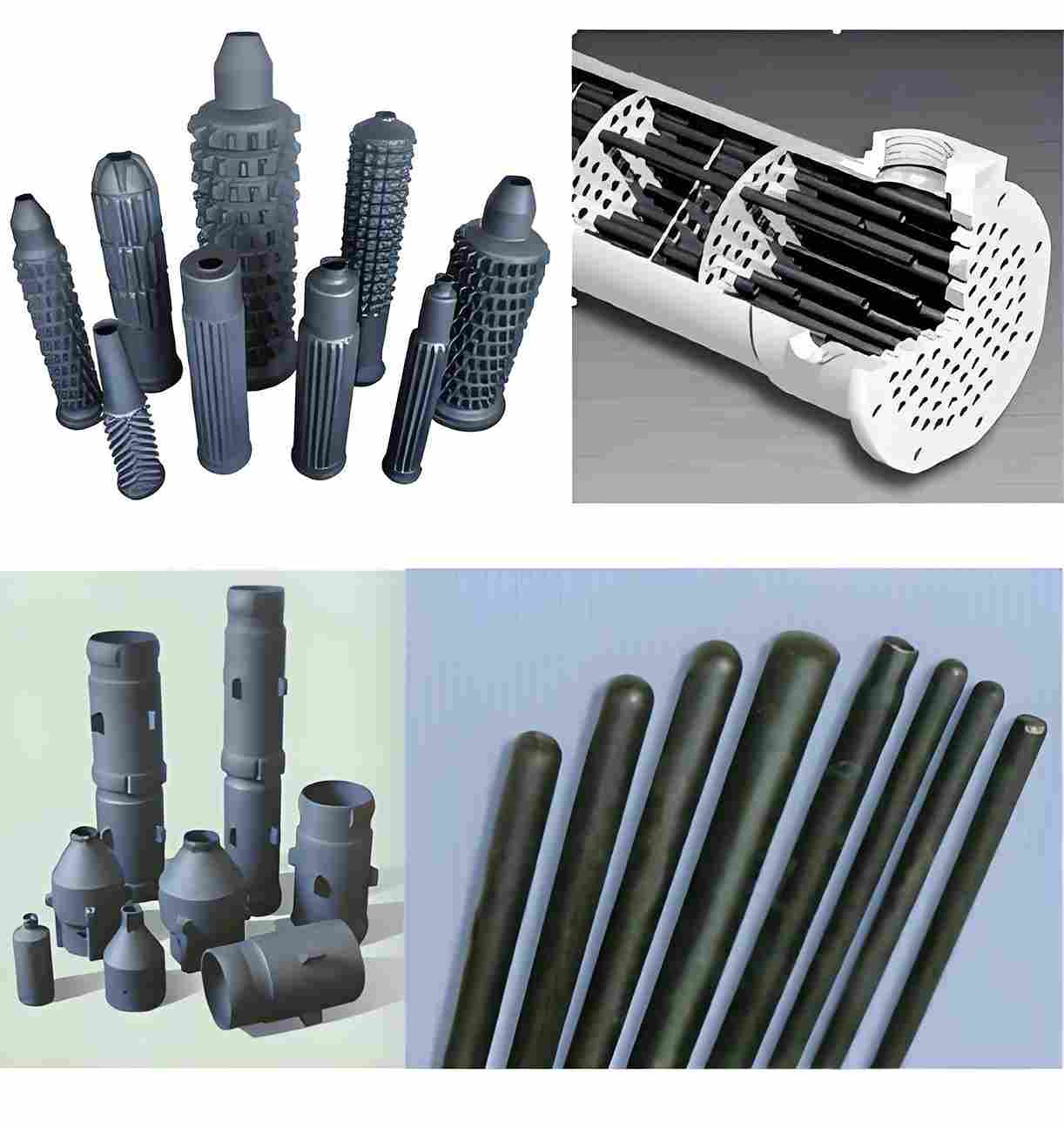
When a high‑temperature furnace or a corrosive‑media pump is powered up, the first thing engineers worry about is whether the silicon carbide (SiC) ceramic parts will survive the thermal shock and mechanical stress. The answer lies in a disciplined start‑up and shut‑down routine that eliminates surprise failures and protects your investment.
Quick Summary (One‑Minute Read)
- Pre‑start inspection: visual, dimensional, and surface‑roughness check.
- Controlled ramp‑up: < 5 °C/min for < 1350 °C, slower above.
- Gas‑purge strategy: inert gas flow to displace moisture before heat‑up.
- Shutdown cooling: maintain < 200 °C/min descent, avoid quench.
- Post‑cycle audit: record thermal profile, inspect for cracks, document deviations.
Why Start‑up/Shutdown Discipline Matters for SiC Ceramics
Silicon carbide ceramics combine high compressive strength, low thermal expansion, and excellent chemical resistance. In practice, those advantages turn into liabilities if the material undergoes rapid temperature changes or mechanical overload. A single thermal shock can generate micro‑cracks that propagate under load, leading to catastrophic failure of a furnace tube or a seal ring. In our experience at ZIRSEC, a European pump‑valve maker faced a costly eight‑day production halt after a custom SiC seal ring cracked during a rushed start‑up. The root cause was a 30 °C/min temperature rise that exceeded the material’s recommended limit.
Step‑by‑Step Start‑up Procedure
1. Pre‑Start Visual and Dimensional Inspection
Before any power is applied, a qualified technician should:
- Inspect the ceramic surface for chips, scratches, or visible cracks. Use a 10× magnifying glass and a portable UV light to reveal surface flaws.
- Verify dimensions against the engineering drawing. Tolerance for most SiC parts is ±0.2 mm; tighter tolerances require a coordinate‑measuring machine (CMM).
- Check surface roughness (Ra). For seal rings, Ra ≤ 1 µm is required to maintain sealing integrity.
Any deviation should be logged in the maintenance log and the part replaced or re‑machined before proceeding.
2. Clean‑Room Preparation
Residues from previous cycles can act as nucleation sites for cracks. Follow these steps:
- Blow compressed nitrogen across the part for at least 30 seconds.
- Wipe with lint‑free, isopropyl‑alcohol‑dampened cloth.
- Allow the part to air‑dry in a low‑humidity zone (< 40 % RH) for 15 minutes.
3. Inert‑Gas Purge
Moisture and oxygen accelerate oxidation at high temperatures. Introduce dry nitrogen (≤ 5 ppm H₂O) at a flow rate of 2 L/min for 5 minutes before heating. This step is especially crucial for furnace tubes that will operate above 1400 °C.
4. Controlled Temperature Ramp‑Up
Based on ZIRSEC’s 20‑year production data, the safest ramp rates are:
| Target Temperature (°C) | Maximum Ramp Rate (°C/min) |
|---|---|
| 0 – 1350 | 5 |
| 1350 – 1600 | 2 |
| > 1600 | 1 (only if material grade permits) |
Use a programmable logic controller (PLC) to enforce the ramp. Record the actual temperature profile in a CSV file for later audit.
5. Load Application After Stabilization
Only when the system has reached the designated soak temperature (usually a 30‑minute dwell) should mechanical loads be applied. For seal rings, set the hydraulic pressure gradually over another 10 minutes to avoid sudden stress peaks.
Step‑by‑Step Shutdown Procedure
1. Pressure Release and Flow Reduction
Before cooling, depressurize the vessel slowly. For gas‑flow systems, lower the flow to < 10 % of operational rate over 5 minutes. This prevents rapid temperature gradients caused by adiabatic expansion.
2. Controlled Cool‑Down Ramp
The cooling profile mirrors the heating profile but in reverse. Recommended rates:
- 1600 – 1350 °C: ≤ 2 °C/min
- 1350 – 0 °C: ≤ 5 °C/min
Where possible, maintain a low flow of inert gas to protect the surface from oxidation while the temperature drops below 800 °C.
3. Post‑Cool Inspection
After the component reaches < 100 °C, repeat the visual and dimensional inspection described in the start‑up section. Use an ultrasonic C‑scan to detect any internal cracks that might not be visible on the surface.
4. Documentation and Trending
Update the equipment log with the exact temperature‑time curve, pressure data, and any anomalies observed. Over time, trend these data to spot gradual shifts that may indicate material fatigue.
Common Pitfalls and How to Avoid Them
Thermal Shock from Rapid Purge
Switching from nitrogen purge to air too quickly can introduce a temperature step of 150 °C or more. Always keep the purge gas temperature within ± 20 °C of the chamber temperature before switching.
Improper Sealing Torque
Over‑torquing a SiC seal ring compresses it beyond its elastic limit, creating micro‑fractures. Follow the manufacturer’s torque chart; for most ZIRSEC seal rings, the safe range is 10‑15 Nm.
Moisture Entrapment
Even a thin film of water can cause hot‑spot oxidation when the temperature exceeds 1200 °C. Use desiccant packs in the storage cabinet and keep the storage humidity below 30 %.
Case Study: Reducing Downtime for a High‑Pressure Pump Supplier
Background: A German pump manufacturer uses custom SiC seal rings (Ø 150 mm, thickness 20 mm) in a 1300 °C high‑pressure water‑jet system. Their original start‑up protocol involved a 30 °C/min ramp, leading to a failure rate of 8 % per batch.
Solution Implemented by ZIRSEC:
- Introduced a measured 5 °C/min ramp for the first 1200 °C.
- Added a nitrogen purge step with 3 L/min flow for 10 minutes.
- Specified a torque limit of 12 Nm for the seal ring bolts.
Result: Failure rate dropped to 0.5 % over six months, saving the client an estimated $22,000 in lost production per quarter.
FAQ – Quick Answers for Engineers
What is the maximum safe temperature for standard SiC ceramics?
Most commercial SiC grades tolerate up to 1600 °C in inert atmospheres. In oxidative environments, the limit drops to roughly 1350 °C.
Can I use water‑cooled jackets during start‑up?
Only if the jacket temperature is ramped synchronously with the furnace. Otherwise, uneven cooling creates thermal gradients that defeat the purpose of the controlled ramp.
How often should I replace SiC parts?
Replacement depends on operating hours and stress levels. A typical furnace tube lasts 3‑5 years at 1300 °C with proper start‑up/shut‑down, while seal rings may need replacement after 1‑2 years of continuous high‑pressure service.
Do I need special training for my technicians?
Yes. Our engineers recommend a 2‑day hands‑on workshop covering inspection techniques, ramp‑rate programming, and documentation best practices. ZIRSEC can provide on‑site training for a modest fee.
Integrating ZIRSEC Into Your Supply Chain
We have a 24‑hour stock of standard SiC tubes, plates, and seal rings, plus the engineering capacity to develop custom parts from a 20‑piece minimum order. Our process‑control team supplies each customer with a full data package: material‑test certificates, dimensional inspection reports, and a recommended start‑up/shutdown sheet tailored to the part geometry.
By partnering with ZIRSEC, you gain:
- Direct China‑factory pricing without middle‑man mark‑ups.
- Rapid prototype turnaround (samples in 2‑4 weeks).
- Dedicated technical support—from CAD‑drawings to on‑site troubleshooting.
- Full logistics handling, including export documentation (MSDS, COA, customs invoices).
Our recent collaboration with a U.S. solar‑thermal plant resulted in a 15 % efficiency gain after we optimized the ramp‑up profile for their SiC heat‑exchange tubes.
Action Plan – What to Do Next
If you are ready to protect your SiC ceramic assets and eliminate unexpected downtime, follow these steps:
- Download our free “SiC Start‑up/Shutdown Checklist” (available on the ZIRSEC website).
- Contact our engineering team at info@zirsec.com with your part numbers and operating temperature range.
- Schedule a technical review call – we will map your process, suggest ramp‑rates, and provide a customized SOP.
- Place a sample order (minimum 20 pieces) to validate fit‑and‑function before full‑scale production.
- Implement the SOP, log the data, and let us audit the first cycle for continuous improvement.
With a disciplined approach backed by ZIRSEC’s expertise, your silicon carbide components will stay reliable, your plant uptime will improve, and your bottom line will reflect the savings.