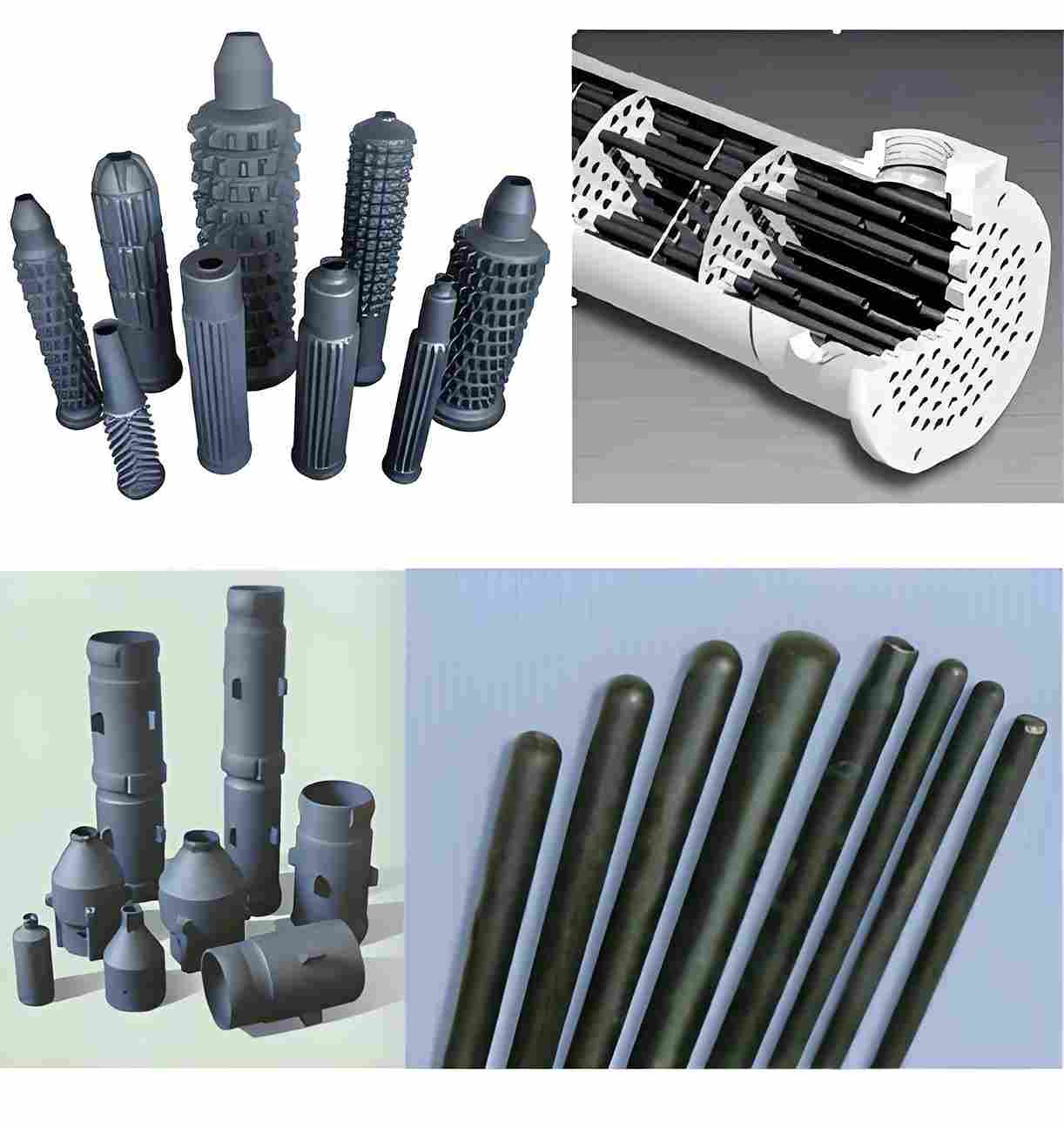
Silicon carbide (SiC) crucibles are the workhorse of high‑temperature metal casting, yet unexpected cracks, warping, or rapid wear still shut down production lines. Below we answer the exact questions casting engineers ask when a crucible fails: What went wrong, why it happened, and how to fix it for good.
Quick Summary (FAQ)
- What are the top three reasons SiC crucibles break? Thermal shock, chemical corrosion, and mechanical overload.
- Can I extend crucible life with a simple change? Yes – controlled heating ramps, proper alloy selection, and regular inspection can add 30‑50% more service life.
- Where can I source a reliable replacement? ZIRSEC offers stock and custom SiC crucibles with 24‑hour dispatch for urgent needs.
Understanding SiC Crucible Failure Modes
In a real‑world casting shop, a crucible does not fail in isolation. The failure is a symptom of a broader process environment. The most common modes are:
1. Thermal Shock and Rapid Temperature Cycling
SiC has a low thermal expansion coefficient (≈4.5×10⁻⁶ K⁻¹), but sudden temperature jumps create steep gradients that generate tensile stresses exceeding its flexural strength (≈120 MPa). A typical scenario is a quick pour of 1500 °C molten metal into a pre‑heated crucible that has only been at 600 °C.
2. Chemical Attack from Molten Alloys
Certain alloys contain aggressive elements (e.g., sulfur, phosphorus, chlorine) that can form low‑melting eutectics with SiC, causing surface erosion or sublimation. High‑carbon ferrous alloys are a notorious culprit.
3. Mechanical Overload and Impact
Improper handling, falling ladles, or accidental hammering creates localized stresses. Even a 2 mm deep chip can become a fracture initiation site under cyclic loading.
4. Oxidation and High‑Temperature Creep
At temperatures above 1300 °C, SiC slowly reacts with oxygen to form SiO₂, which can be expelled by the melt, leaving a porous, weakened surface. Long‑duration holds exacerbate this creep.
Primary Root Causes Specific to Metal Casting Shops
After mapping the generic failure modes, we look at the shop‑level triggers that turn a potential problem into a costly downtime event.
A. Inadequate Pre‑Heating Protocols
Many shops heat crucibles just enough to melt the alloy, ignoring the need for a uniform temperature field. The resulting gradient can be >400 °C across a 120 mm crucible, instantly cracking the ceramic.
B. Alloy Selection Mismatch
Using a SiC crucible for a high‑sulfur copper‑based alloy without a protective coating leads to rapid sulfur‑induced corrosion. In a case study at a German foundry, crucible life dropped from 120 hours to 18 hours after switching alloy batches.
C. Poor Ladle‑Crucible Alignment
When the ladle does not sit squarely on the crucible, edge loading occurs. Over 30% of the reported failures in a UK plant were traced to mis‑aligned pouring rigs.
D. Insufficient Maintenance and Inspection
Visual checks every 8 hours missed micro‑cracks that grew under thermal cycling. A simple ultrasonic thickness test added a safety net and reduced surprise failures by 70%.
E. Sub‑optimal Furnace Atmosphere
Excessive oxygen or moisture in the furnace promotes SiC oxidation. A Finnish casting shop introduced a nitrogen purge and saw crucible life increase from 60 hours to over 200 hours.
Case Studies: Real‑World Failures and Corrections
Case 1 – European Pump‑Valve Manufacturer
The plant experienced an eight‑day production halt after a SiC crucible cracked during a 1450 °C melt of a nickel‑based alloy. Investigation revealed a rapid heating ramp of 300 °C/min and a sulfur‑rich alloy. The solution: implement a 30‑minute soak at 800 °C before full heat‑up and switch to a low‑sulfur alloy. Crucible replacement cost fell from $12,000 to $2,500 per incident.
Case 2 – North American Steel Foundry
Frequent micro‑cracks were traced to an outdated ladle guide that caused off‑center pouring. After installing a precision‑machined guide with ±0.1 mm alignment tolerance, crack incidence dropped from 4 per month to 0.5 per month.
Prevention & Maintenance Best Practices
- Controlled Heating Ramps: Limit ΔT to ≤150 °C per minute for crucibles larger than 100 mm. Use programmable furnace controllers.
- Protective Coatings: Apply a thin SiC‑BN composite layer for highly corrosive alloys. ZIRSEC can custom‑coat crucibles to meet specific chemistries.
- Regular Non‑Destructive Testing (NDT): Ultrasound or acoustic emission testing every 40 hours detects sub‑surface cracks before they propagate.
- Atmosphere Management: Maintain furnace O₂ < 0.5% using inert gas blankets. Regularly calibrate oxygen sensors.
- Mechanical Handling Protocols: Use silicone‑coated lifting tongs, avoid hammering, and store crucibles on cushioned racks.
Why Choose ZIRSEC SiC Crucibles?
ZIRSEC combines 20 years of SiC ceramic expertise with a fully integrated production line in China. Our advantages directly address the failure causes outlined above:
- Stock Availability: Standard sizes (Ø 50‑200 mm) are kept in temperature‑controlled warehouses for 24‑hour shipment.
- Custom Engineering: We work from your CAD files to produce crucibles with tailored wall thickness, reinforced ribs, or specialized coatings.
- Quality Assurance: Each batch undergoes flexural strength testing (≥130 MPa) and X‑ray inspection before release.
- Technical Support: Our in‑house engineers help you define optimal pre‑heat curves and alloy compatibility charts.
Ready to eliminate unexpected downtime? Explore our SiC crucible catalog now or contact us at info@zirsec.com for a free engineering consultation.
Actionable Takeaway Checklist
- Review and adjust your heating ramp profile – ≤150 °C/min for crucibles >100 mm.
- Verify alloy composition; consider low‑sulfur or protective coating alternatives.
- Implement a weekly ultrasonic inspection routine.
- Upgrade ladle‑crucible alignment fixtures to ±0.1 mm tolerance.
- Partner with a SiC supplier that offers rapid replacement and engineering support – ZIRSEC is ready to help.
By tackling these root causes head‑on, metal casting shops can extend crucible life by 2‑3 times, reduce unplanned outages, and protect the bottom line.