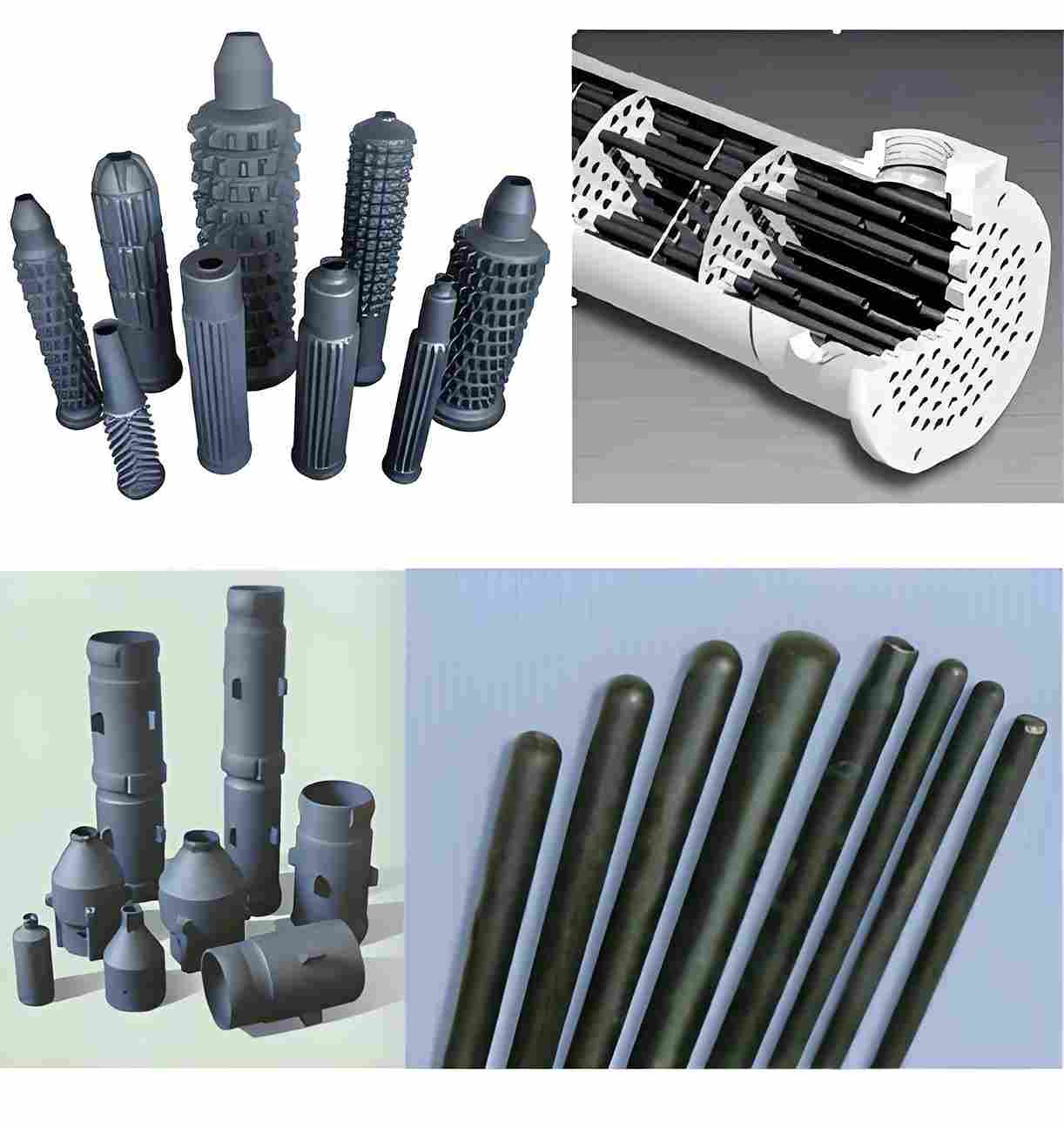
If you need to keep SiC seal faces from failing unexpectedly, the answer lies in a disciplined wear‑monitoring program combined with data‑driven maintenance planning.
Why Wear Monitoring Matters for SiC Seals
Silicon carbide (SiC) seal faces are prized for their hardness, high‑temperature stability and chemical resistance, but even the toughest ceramic will wear when subjected to abrasive slurry, high‑velocity gases or cyclic thermal stress. A single millimeter of loss on a 30 mm‑diameter seal can change the pressure distribution enough to cause leakage, overheating and costly production downtime.
In a recent case at a German pump‑valve plant, a 0.8 mm wear on a SiC seal ring reduced the flow rate by 12 % and forced an unplanned shutdown that cost the client more than $18,000 in lost production. The root cause was a lack of regular inspection and an absence of a wear‑trend baseline.
Quick Summary (FAQ)
- What is the minimum inspection interval? For high‑speed pumps operating above 120 °C, inspect every 1 000 h; for slower, low‑temp services, 3 000 h is acceptable.
- Which measurement technique gives the best repeatability? Laser‑triangulation scanners with ±0.02 mm accuracy outperform feeler‑gauge methods in harsh environments.
- How to decide when to replace a seal? Replace when wear exceeds 15 % of the nominal face diameter or when surface roughness (Ra) rises above 3 µm.
- Can I predict wear? Yes – by combining real‑time temperature/pressure data with historical wear rates in a simple regression model.
Step‑by‑Step Wear‑Monitoring Workflow
1. Establish a Baseline
Before the seal ever sees service, record the following:
- Nominal face diameter (mm) and tolerance.
- Initial surface roughness (Ra) measured with a portable profilometer.
- Full‑field geometry captured by a calibrated laser‑triangulation scanner (e.g., Keyence LK‑G series).
- Operating parameters: temperature, pressure, slurry composition, rotational speed.
Store this data in a centralized CMMS or a simple Excel log with a unique seal ID.
2. Choose the Right Inspection Tool
In the field, the optimal tool depends on accessibility and safety:
- Laser‑Triangulation Scanner: Non‑contact, sub‑0.02 mm repeatability, works through protective windows.
- Portable Micrometer + Feeler Gauges: Low‑cost, but requires seal removal and can introduce user error.
- Optical Microscopy with Image Analysis: Ideal for post‑maintenance lab checks, provides detailed wear pattern maps.
Our engineering team at ZIRSEC recommends the handheld scanner for most pump‑valve applications because it balances accuracy and minimal downtime.
3. Schedule Inspections According to Risk
Develop a risk matrix that matches operating severity with inspection frequency:
| Operating Condition | Temperature (°C) | Media Abrasiveness | Suggested Interval |
|---|---|---|---|
| High‑speed centrifugal pump | >150 | Highly abrasive slurry | Every 500 h |
| Medium‑speed gear pump | 80‑150 | Moderately abrasive | Every 1 000 h |
| Low‑speed slurry pump | <80 | Low‑abrasive | Every 3 000 h |
Adjust intervals if a trend shows faster wear than expected.
4. Capture and Compare Wear Data
After each inspection, record the following:
- Current face diameter (average of 4‑point measurement).
- Maximum localized loss (peak‑to‑valley difference).
- New Ra value.
- Operating hours since last inspection.
Plot these values on a simple spreadsheet chart. A linear or exponential trend line will reveal whether wear is accelerating under current conditions.
5. Trigger Maintenance Actions
Define clear thresholds:
- Replacement Threshold: Wear >15 % of nominal face or Ra >3 µm.
- Repair Threshold: Wear between 8 %–15 % – consider resurfacing or installing a secondary wear sleeve.
- Alert Threshold: Wear >5 % – schedule the next inspection within half the normal interval.
When a threshold is crossed, the CMMS should automatically generate a work order, assign it to the maintenance planner, and attach the latest scan file for reference.
Case Study: Reducing Unplanned Downtime at an Alkaline Electrolysis Plant
Our client in the United States runs a 30 MW alkaline electrolyzer with SiC seal rings on each high‑pressure pump. Historically, they performed a seal change only after a failure, leading to an average of three unplanned shutdowns per year.
Implementation steps:
- Installed a Keyence LK‑G scanner on the pump standby bay.
- Established a baseline scan and entered data into their SAP‑PM module.
- Set inspection every 800 h (≈1 month) based on the plant’s 9 000 h annual run time.
- Created an automated alert when wear exceeded 6 %.
Results after six months:
- Wear rate stabilized at 0.02 mm per 1 000 h, well below the 0.05 mm critical rate.
- Zero unexpected seal failures.
- Maintenance cost reduced by 28 % because replacements were planned during scheduled outages.
Predictive Maintenance Using Simple Regression
For plants that already log temperature, pressure, and flow, a quick Excel model can predict wear:
=INTERCEPT(wear_range, hours_range) + SLOPE(wear_range, hours_range) * CURRENT_HOURS
Insert your historical wear (mm) and corresponding operating hours, then use the formula to estimate future wear. If the projected wear at the next scheduled shutdown exceeds the replacement threshold, move the replacement forward.
Best Practices Checklist
- Document seal ID, material batch, and manufacturing tolerances before installation.
- Calibrate inspection equipment monthly; keep a calibration certificate on file.
- Never rely on visual inspection alone – supplement with quantitative measurements.
- Include wear‑trend graphs in monthly maintenance reports for management visibility.
- Train operators on recognizing early signs of seal distress (e.g., abnormal vibration or temperature spikes).
Common Pitfalls and How to Avoid Them
- Skipping baseline scans: Without a true start point, any wear figure is meaningless.
- Using only feeler gauges: Human error can mask up to 0.1 mm of wear, leading to premature failure.
- Ignoring surface roughness: A smooth face can become rough quickly; Ra is a leading indicator of impending seal‑face machining.
- Over‑relying on OEM replacement intervals: OEM guidelines assume average conditions; custom applications often need tighter control.
Putting It All Together – A Sample Maintenance Plan
---
Equipment: 150 kW centrifugal pump – SiC seal ring (Ø30 mm)
Baseline Scan: 30.00 mm ±0.02 mm, Ra 0.7 µm (2024‑02‑01)
Inspection Interval: 800 h (≈1 month)
Thresholds: Replace >4.5 mm loss, Repair 2.5‑4.5 mm loss, Alert >1.5 mm loss.
Next Inspection: 2024‑03‑02 (800 h)
Action on Alert: Reduce speed by 10 %, schedule extra scan in 400 h.
---
Adopting a plan like this gives you a clear, data‑backed roadmap that turns a reactive repair culture into a proactive reliability program.
Why Choose ZIRSEC for Your SiC Seal Needs
We supply standard‑size and fully custom SiC seal faces from a Chinese factory with two decades of production experience. Our engineering team works side‑by‑side with your maintenance staff to develop inspection fixtures, provide on‑site training, and accelerate spare‑part delivery when a replacement is triggered. With 24‑hour inventory of common dimensions and a rapid‑turn‑key prototyping line for bespoke geometries, you won’t be left waiting for a critical seal.
Next Steps
Start by downloading our free SiC Seal Face Inspection Guide, schedule a virtual technical review with our engineers, and let us help you build a wear‑monitoring program that keeps your plant running smoothly.