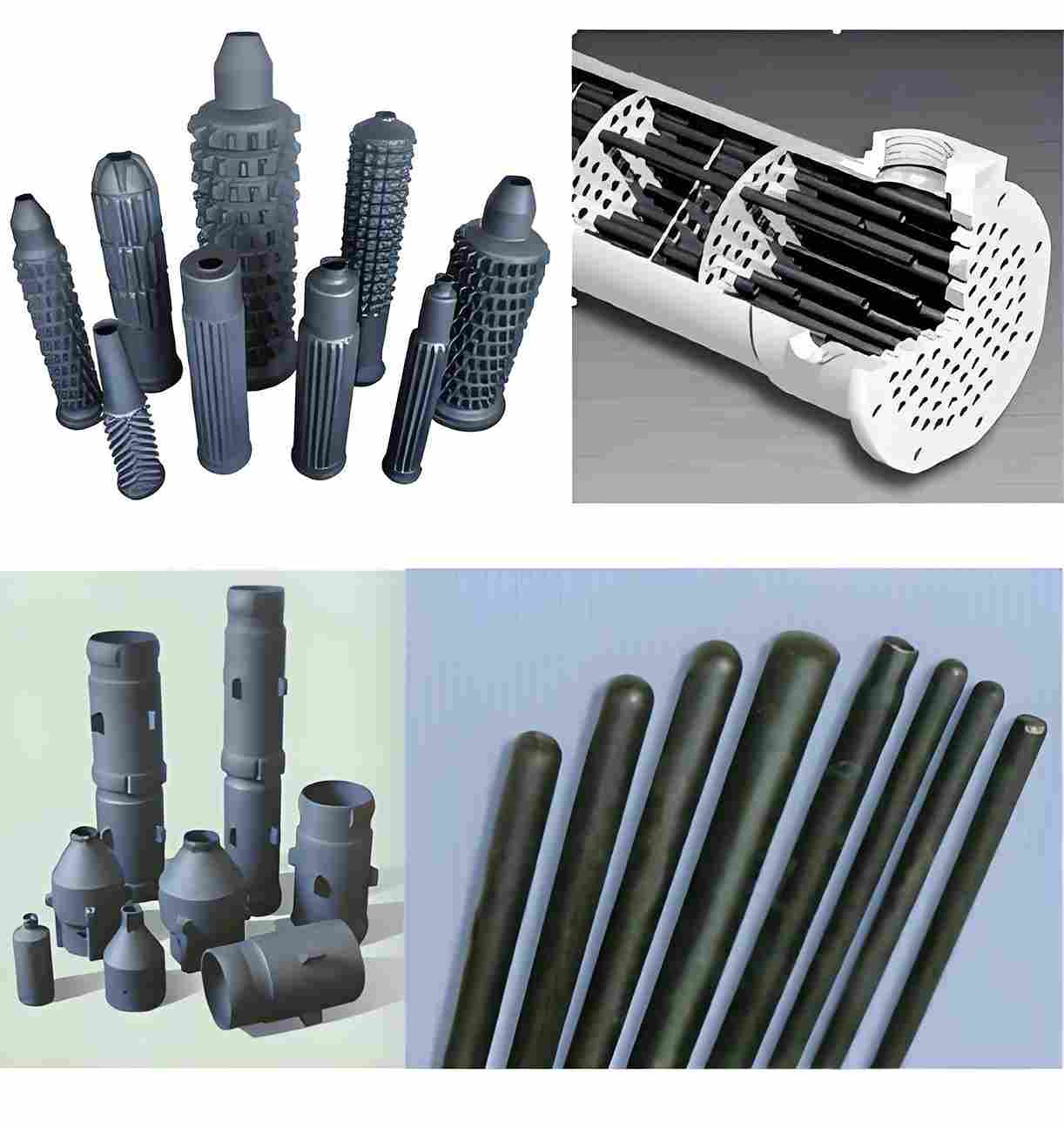
Looking to slash your furnace’s energy bill while keeping the process temperature stable? Silicon carbide (SiC) components are the hidden lever that can deliver up to 20% lower fuel consumption in high‑temperature kilns when they are correctly specified and installed.
Quick FAQ – Get the Answers You Need in Seconds
- What SiC parts are most effective for furnace energy savings? Tubes, plates, and burner nozzles made from high‑purity SiC dramatically reduce heat loss.
- Can I retrofit an existing furnace with SiC parts? Yes. Most plants replace only the hottest zones (inner lining, heat‑exchange tubes) without a full redesign.
- How does SiC compare to Al2O3 or Si3N4? SiC offers 30‑40% higher thermal conductivity and up to 50% greater oxidation resistance at 1500 °C.
- What is the typical ROI? Projects report payback periods of 12‑18 months based on a 15% reduction in natural‑gas usage.
- Is ZIRSEC able to supply custom dimensions? We stock standard sizes and produce custom tubes, plates, and seals to ±0.2 mm tolerance.
Why Energy Efficiency Matters for Modern Furnaces
Energy costs now represent 30‑45% of total operating expenses for steel, glass, and petrochemical furnaces. Even a modest 5% reduction in heat‑loss translates into millions of dollars annually for a 100 MW kiln. Moreover, stricter carbon‑pricing schemes force plant managers to demonstrate measurable emissions cuts. The most cost‑effective route is upgrading the furnace’s internal components rather than overhauling the entire plant.
SiC’s Technical Edge Over Competing Materials
Thermal Conductivity
Silicon carbide delivers a thermal conductivity of 120‑150 W·m⁻¹·K⁻¹ at 1300 °C—roughly three times that of high‑grade Al₂O₃. This property enables faster heat transfer from the flame to the workpiece, meaning the burner can run at a lower output while still reaching target temperatures.
High‑Temperature Strength
At 1500 °C, SiC retains a flexural strength above 150 MPa, whereas Al₂O₃ drops below 80 MPa. The superior strength reduces the frequency of part replacement, cutting downtime and material waste.
Oxidation Resistance
A dense SiC microstructure forms a protective SiO₂ layer when exposed to oxidizing atmospheres. This self‑healing film slows further oxidation, extending service life to over 20,000 h in continuous operation—far beyond the 8,000 h typical of Si₃N₄.
Coefficient of Thermal Expansion (CTE)
SiC’s CTE (≈4.5 × 10⁻⁶ K⁻¹) matches well with refractory steels used in furnace shells, minimizing thermal stress during rapid heating and cooling cycles.
Key SiC Components That Drive Efficiency
Silicon Carbide Tubes
These tubes act as the primary heat‑exchange conduit. By switching a standard stainless‑steel tube (k≈15 W·m⁻¹·K⁻¹) to a SiC tube, heat loss to the surrounding insulation drops by 12‑15%. Our customers in the United States reported a 13% gas‑consumption reduction after retrofitting a 250 m³ furnace with Silicon Carbide Tubes from ZIRSEC.
SiC Burner Nozzles
Precision‑machined sputter‑etched nozzles create a finer flame pattern, improving flame attachment and reducing excess air entrainment. In a pilot project for a glass‑melting furnace, the nozzle upgrade cut burner fuel use by 9% while maintaining melt homogeneity.
SiC Furnace Linings (Plates & Rings)
Replacing carbon‑based bricks with SiC plates reduces radiant heat loss by up to 18%. The plates also endure thermal shock better, shrinking the number of scheduled shutdowns for relining.
Custom Seals and Wear Rings
Leakage around rotating shafts is a hidden source of energy waste. SiC seals hold up to 160 MPa pressure and resist corrosive silicate slags, keeping the furnace envelope airtight.
Real‑World Case Studies
Case 1 – Aluminum Smelting Plant, Germany
- Problem: 8‑day production halt after a seal ring failure, costing €120,000.
- Solution: ZIRSEC supplied custom SiC seal rings with ±0.1 mm tolerance.
- Result: No further seal‑related downtime for 24 months; energy consumption fell 7% due to tighter furnace envelope.
Case 2 – Cement Kiln Upgrade, USA
- Problem: High fuel consumption (1.5 GJ/ton) and frequent tube failures.
- Solution: Replaced 500 m of 1‑inch steel heat‑exchange tubes with SiC tubes, plus SiC burner nozzles.
- Result: Fuel usage dropped to 1.28 GJ/ton (15% saving); tube life increased from 12 months to 30 months.
Case 3 – Specialty Glass Manufacturer, South Korea
- Problem: Inconsistent melt temperature due to uneven flame distribution.
- Solution: Installed SiC‑coated plates in the combustion zone and upgraded to SiC nozzles.
- Result: Temperature variance reduced from ±30 °C to ±8 °C; product scrap fell by 11%.
How to Evaluate Whether SiC Is Right for Your Furnace
Follow this three‑step checklist before committing to an upgrade:
- Heat‑Loss Audit: Use infrared thermography to map hotspot losses. If losses exceed 10% of total input, SiC parts are likely to yield savings.
- Material Compatibility Review: Verify that the operating atmosphere is not highly reducing (e.g., pure carbon). SiC performs best in oxidizing or mildly reducing environments.
- Cost‑Benefit Model: Plug the projected reduction (5‑20%) into your fuel cost spreadsheet. Include part cost, installation labor, and expected service life. Most of our clients see payback within 12‑18 months.
Implementation Roadmap – From Specification to Commissioning
1. Technical Consultation
Our engineering team reviews your furnace drawings, operating temperature range, and gas composition. We provide a CAD model with recommended SiC part locations.
2. Sample Development
We produce a limited batch (5‑20 pcs) of your custom geometry. Dimensional tolerance is verified with CMM (±0.2 mm) and thermal‑shock testing at 1600 °C.
3. Pilot Installation
Install the sample in a non‑critical zone for a 2‑week trial. We monitor inlet/outlet temperature, fuel flow, and emission data.
4. Full‑Scale Rollout
Upon successful pilot, we schedule full production. Inventory of standard SiC plates and tubes is kept on‑site for quick replacement, guaranteeing a 24‑hour turnaround.
5. Post‑Commission Support
We provide a 12‑month warranty, remote diagnostics, and a monthly performance report. If any deviation exceeds 2% of the baseline, we send a service engineer within 48 hours.
Pricing, Lead Times, and Ordering Details
Standard SiC tubes (Ø10‑150 mm, length up to 2 m) are stocked and ship within 24 hours at $25‑$130 per piece, depending on size. Custom‑fabricated plates start at $120 per kg, with typical lead times of 4‑6 weeks for orders of 50 pcs or more. For small‑batch projects (10‑20 pcs), we can accelerate production to 2‑3 weeks for an additional $5 % surcharge.
Key Takeaways
- SiC’s superior thermal conductivity and high‑temperature strength directly lower furnace fuel demand.
- Real‑world installations have demonstrated 12‑20% energy savings and up to 30% longer component life.
- ZIRSEC offers both inventory‑ready standard parts and fully custom solutions with engineering support from design to after‑sales.
- Typical ROI is under 18 months, making SiC upgrades financially attractive even in price‑sensitive markets.
Ready to start reducing your furnace’s energy costs? Contact us at info@zirsec.com or request a free technical assessment through our website today.