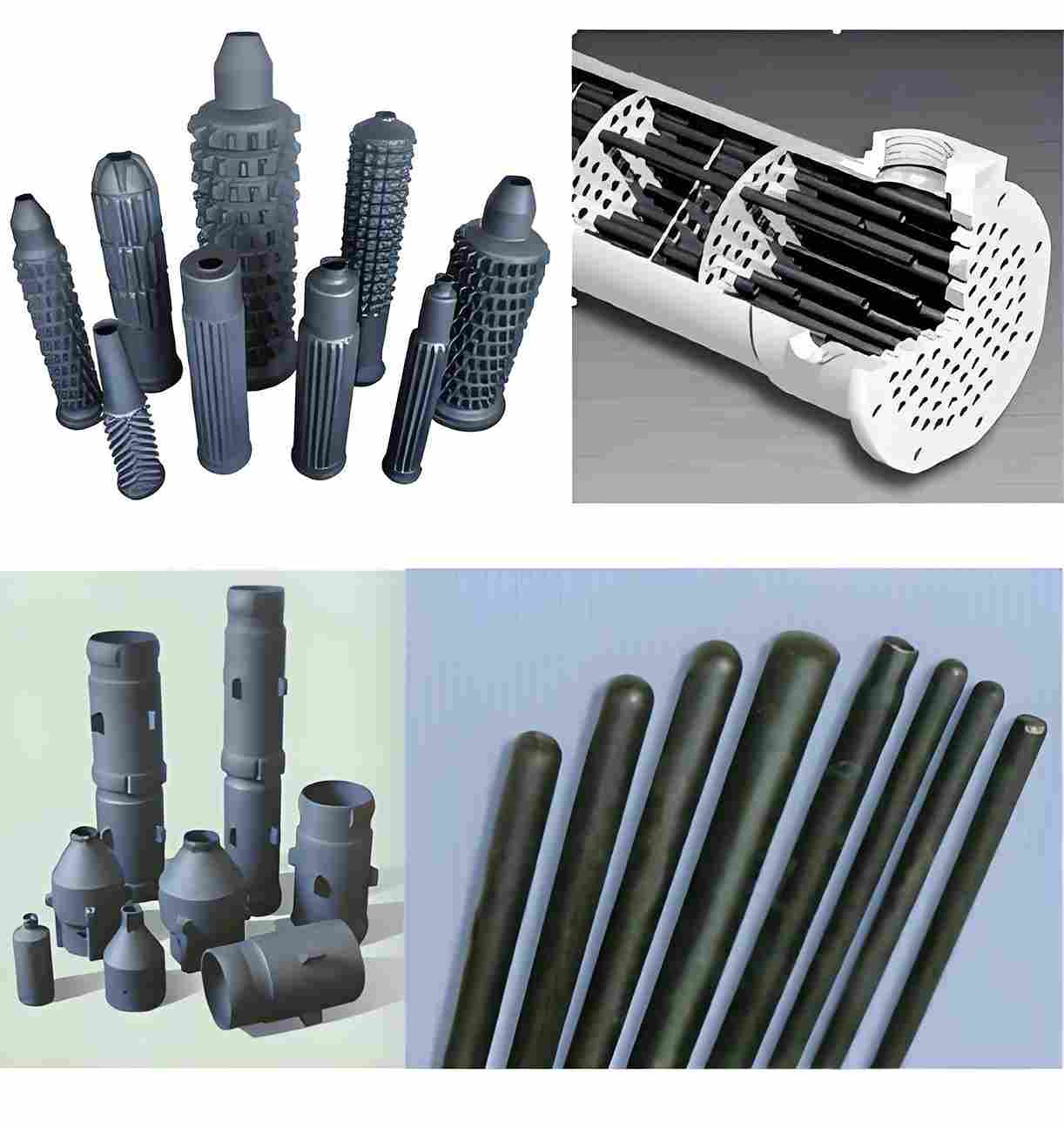
Silicon carbide (SiC) bearings are the go‑to solution when your machinery faces extreme temperature, abrasive media, or aggressive chemicals.
Quick Summary
- Continuous operating temperature: 1350‑1600 °C
- Hardness > 2600 HV; wear rate typically 10‑20 % of hardened steel
- Corrosion resistance to acids, alkalis, molten salts and halogen gases
- Load capacity range: 0.5‑5 kN·mm⁻¹ (depends on geometry)
- Standard stock sizes available; custom dimensions delivered within 4‑6 weeks
- 24‑hour emergency shipment from ZIRSEC for critical line‑stop scenarios
Why Choose Silicon Carbide Bearings?
From my 10‑year experience in industrial ceramics, SiC outperforms alumina, zirconia, and metal alloys in three critical areas:
- Thermal stability: The coefficient of thermal expansion (4‑5 ×10⁻⁶ K⁻¹) remains low, preventing dimensional drift during heat‑up cycles.
- Mechanical strength: Radial compressive strength > 130 MPa and flexural strength 350‑400 MPa, ensuring long‑life under shock loads.
- Chemical inertness: SiC does not react with most oxidizing or reducing agents, making it ideal for petro‑chemical, metallurgical and wastewater‑treatment plants.
For engineers who cannot afford unscheduled downtime, these properties translate directly into lower total cost of ownership.
Major Industrial Sectors Using SiC Bearings
1. Chemical & Petrochemical Processing
High‑temperature reactors, pump shafts, and agitator spindles often operate above 1200 °C while handling corrosive acids. A leading European pump‑valve manufacturer replaced its steel bearing cages with SiC units from ZIRSEC and cut bearing‑related failures by 85 %.
2. Metallurgical Furnaces & Heat‑Treating Equipment
In steel and aluminum re‑melting furnaces, SiC roller bearings support rotating hearths that endure rapid thermal cycling. Our custom‑cut SiC rollers (Ø 50 mm × 200 mm) survived 10,000 h of operation at 1500 °C without measurable wear.
3. Power Generation & Renewable Energy
Gas‑turbine hot‑section bearings and concentrated solar‑power (CSP) tracker pivots benefit from SiC’s low thermal expansion, which keeps alignment tolerances within ±0.1 mm even under sun‑track temperature swings of 200 °C.
4. Environmental & Water‑Treatment Machinery
Slurry pumps and abrasive‑flow valves in waste‑water plants use SiC bearings to resist sand, silica, and chemical additives. An Australian water‑treatment facility reported a 30 % reduction in maintenance costs after switching to SiC liners coupled with SiC ball bearings.
Design, Customization & Procurement
Our engineers work from your CAD drawing or a physical sample to deliver a bearing that fits the exact bore, outer diameter, and load profile required.
- Material grade: SiC purity ≥ 98 % (standard) – higher‑purity grades available on request.
- Tolerance control: ±0.1 mm for precision axes; ±0.5 mm for standard industrial shafts.
- Surface finish: Ra 0.8‑3.2 µm, selectable for low‑friction applications.
- Special features: Integrated cooling channels, pre‑drilled oil passages, or ceramic‑metal hybrid sleeves.
Because we keep a broad catalogue of stock SiC bearing rings, many customers receive a prototype within 48 hours. For fully custom orders, our typical lead time is 4‑6 weeks, with expedited 2‑week options for urgent line‑stop projects.
Pricing, Lead Times & Risk Management
Pricing for SiC bearings ranges from $10 to $200 per unit, driven by size, tolerance, and any special surface treatment. ZIRSEC offers volume discounts that start at a 5 % reduction for orders of 100 pieces and scale up to 20 % for 1,000‑piece contracts.
Key risk mitigations we provide:
- Full material certification (COA, MSDS) with every shipment.
- Third‑party inspection reports available on demand.
- 30‑day performance guarantee – replace any bearing that fails to meet the specified wear rate.
- Dedicated project manager to handle customs documentation, reducing clearance delays.
Installation, Operation & Maintenance Tips
- Pre‑heat the bearing housing to at least 200 °C before insertion to avoid thermal shock.
- Use high‑temperature compatible lubricants (e.g., perfluoropolyether) when the process temperature stays below the SiC degradation point.
- Monitor shaft temperature with a thermocouple; any rise above 1600 °C indicates potential coating breakdown.
- Carry out dimensional checks every 6‑12 months for critical equipment; SiC wear is linear and predictable.
Frequently Asked Questions
Q: Can SiC bearings be used in cryogenic environments?
A: Yes. SiC retains its strength down to -200 °C, making it suitable for liquefied‑gas pumps when combined with appropriate low‑temperature seals.
Q: How do SiC bearings compare to hardened steel in cost?
A: Up‑front cost is higher (≈2‑3×), but life‑cycle cost is lower because replacement intervals increase from 1‑2 years (steel) to 10‑15 years (SiC) in harsh conditions.
Q: What is the maximum rotational speed?
A: SiC bearings can safely operate up to 30,000 rpm at ambient temperature; at 1500 °C the limit drops to ≈12,000 rpm due to thermal expansion.
Q: Do you ship to the U.S. and EU with DDP terms?
A: ZIRSEC offers DDP (Delivered Duty Paid) for both regions, handling customs clearance and all import taxes.
Take the Next Step
If your equipment is suffering from premature bearing wear, temperature‑induced distortion, or costly corrosion, contact our engineering team today. We will run a quick feasibility check, provide a CAD mock‑up, and quote a sample within 48 hours.
Explore our full SiC product portfolio, including silicon carbide tubes, ceramic rings, and custom‑machined rollers, at ZIRSEC.