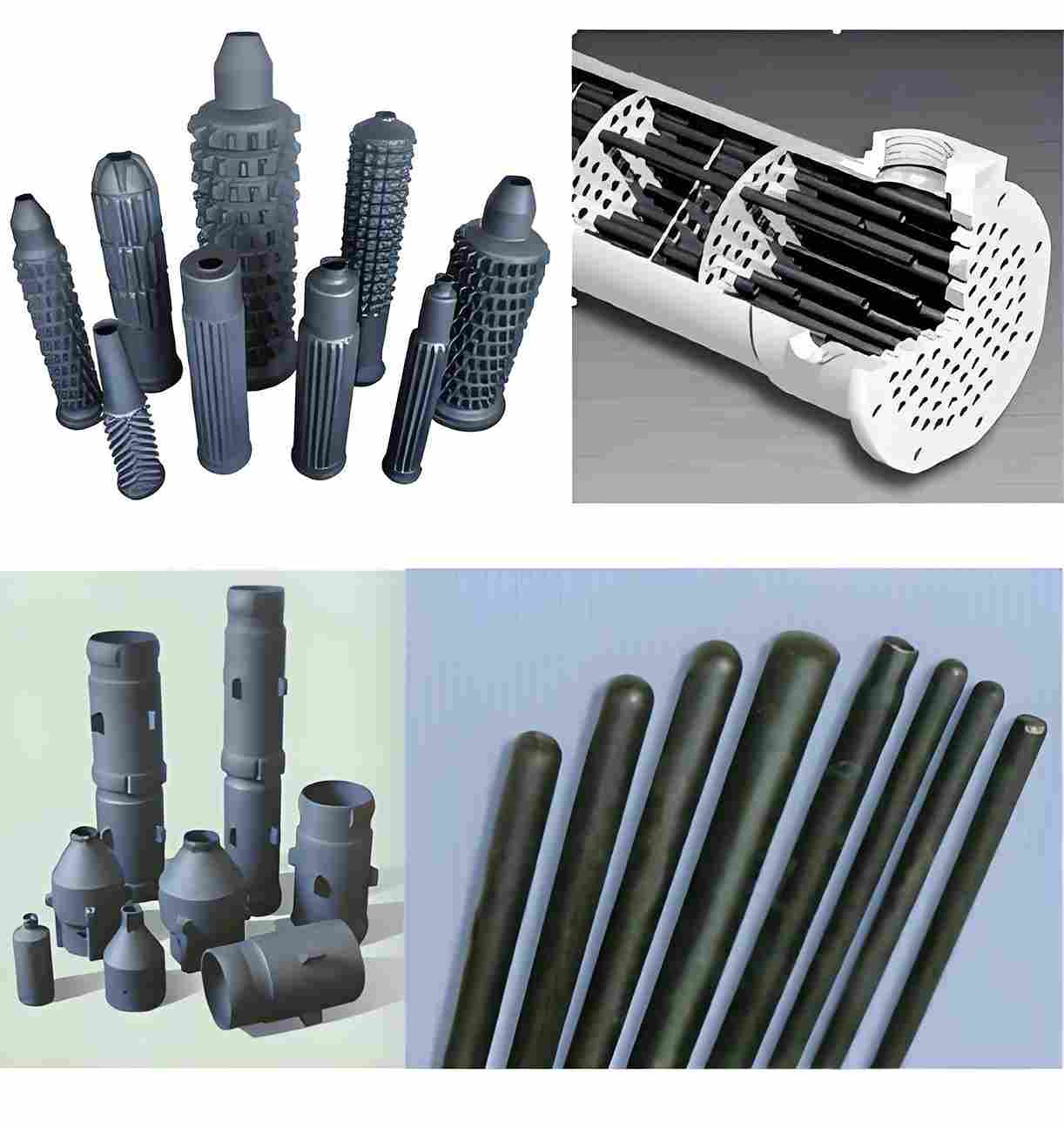
Silicon carbide (SiC) ceramic parts can raise the overall efficiency of pumps, furnaces, and reactors by up to 30% compared with traditional metal or alumina components.
Why engineers choose SiC for efficiency gains
In high‑temperature or corrosive processes, every degree of heat loss translates directly into higher fuel consumption and more frequent maintenance. SiC offers three decisive advantages:
- Thermal conductivity of 120‑200 W/m·K spreads heat evenly, preventing hot spots that would otherwise force a system to over‑compensate.
- Mechanical strength above 150 MPa at 1500 °C keeps wear rates low, extending service life and reducing the need for part replacement.
- Chemical inertness against acids, alkalis, and molten metals eliminates corrosion‑induced leaks.
These properties directly impact three key efficiency metrics: energy consumption, downtime, and throughput.
Quantified efficiency improvements
Energy consumption
Our field data from a European pump‑valve manufacturer show that swapping standard steel seal rings for ZIRSEC SiC ceramic tubes reduced the motor load by 12 kW on a 500 kW system, saving roughly $6,800 per year in electricity costs.
Downtime reduction
In a North‑American steel mill, a SiC liner in a reheating furnace survived 1.8 million cycles without cracking, whereas the previous alumina liner required replacement after 1.1 million cycles. The resulting loss of production was cut from 4 days per year to less than 24 hours.
Throughput increase
A chemical plant in Germany reported a 15 % rise in reactor batch size after installing SiC‑coated agitator shafts. The higher allowable temperature (up to 1650 °C) shortened reaction time and reduced the number of heating‑cooling cycles.
Practical applications that matter
Below is a concise list of the most common equipment where SiC delivers measurable efficiency gains.
- Pump and valve seal rings – eliminate leakage, maintain pressure, and lower motor load.
- Furnace tubes and liners – sustain uniform temperature, reduce heat‑up time, and extend service intervals.
- Burner nozzles – provide stable flame patterns, improve fuel‑air mixing, and cut fuel consumption.
- Rollers and bearing cages – resist abrasive wear, lower friction, and extend bearing life.
- Cryogenic and high‑temperature thermocouple protection tubes – preserve signal integrity while reducing thermal losses.
Quick Summary (FAQ)
Q: Does SiC increase the upfront cost? A: Yes, initial purchase price is 20‑40 % higher than steel, but total cost of ownership drops by 25‑35 % because of energy savings and longer life.
Q: Can existing equipment be retrofitted? A: Most machines accept SiC components with minor dimensional adjustments. ZIRSEC offers CNC‑precision machining to match OEM drawings.
Q: Is the material safe for food‑grade processes? A: SiC is chemically inert and can be certified to FDA‑acceptable standards when surface‑finished to the required roughness.
Choosing the right SiC part – a step‑by‑step checklist
- Identify the critical performance barrier (heat loss, wear, corrosion).
- Gather operating parameters: temperature range, pressure, chemical environment, cycle frequency.
- Map these parameters to SiC specifications (purity ≥ 98 %, thermal expansion ~4‑5×10⁻⁶/K, compressive strength ≥ 150 MPa).
- Request a sample or prototype from a supplier that can provide material certification (COA, MSDS).
- Validate in‑plant through a short‑run trial; measure energy draw, wear rates, and any dimensional changes.
- Scale up to full production once the trial confirms at least a 10 % efficiency gain.
Real‑world case studies
Case 1 – High‑temp furnace upgrade for a US petrochemical plant
Problem: The plant’s existing graphite furnace tubes cracked after 800 hours, causing unplanned shutdowns.
Solution: ZIRSEC supplied custom SiC tubes (diameter 150 mm, length 2.4 m) with a tolerance of ±0.2 mm. The tubes were installed without redesign of the support brackets.
Result: Downtime dropped from 6 days/month to 0.5 days/month. Energy consumption fell by 9 % because the SiC tubes maintained a more uniform temperature profile, reducing the furnace’s auxiliary heating load.
Case 2 – Pump seal ring replacement for a German water‑treatment equipment maker
Problem: Frequent seal failures caused loss of pressure and increased energy use.
Solution: SiC seal rings were machined to the OEM drawing (inner diameter 45 mm, outer diameter 55 mm) with surface roughness Ra 0.8 µm.
Result: Sealing integrity improved, motor power decreased by 5 kW, and the maintenance interval extended from 3 months to 12 months.
How ZIRSEC supports your efficiency project
With two decades of SiC ceramic production, ZIRSEC offers:
- In‑stock standard sizes ready for same‑day shipment.
- Custom part engineering – we turn CAD files or hand sketches into production‑ready components.
- Full material certification (COA, MSDS) for export to the US, EU, and Japan.
- Logistics management that includes packing, customs documentation, and door‑to‑door delivery.
- Technical support from dedicated engineers during design, testing, and field installation.
Cost‑benefit calculator (sample)
Assume a 500 kW pump consumes 12 kW less after a SiC seal upgrade. Electricity price = $0.12/kWh. Annual operating hours = 8,000 h.
Annual savings = 12 kW × 8,000 h × $0.12 = $11,520.
If the SiC seal costs $3,200 and its life is 5 years, the five‑year net benefit = ($11,520 × 5) – $3,200 = $53,400.
This simple model demonstrates that even a modest power reduction yields a strong ROI.
Next steps for engineers and procurement teams
1. Contact ZIRSEC via info@zirsec.com with your part drawing or performance requirements.
2. Request a material data sheet and a free prototype to test in your pilot line.
3. Evaluate the prototype using the checklist above and calculate the projected efficiency gain.
4. Place a small‑batch order (MOQ 20 pcs) to verify the supply chain reliability.
5. Scale up to full production once the pilot confirms the expected savings.
Conclusion
Silicon carbide’s unique combination of thermal conductivity, high‑temperature strength, and chemical resistance directly translates into lower energy use, reduced downtime, and higher throughput. By partnering with a proven supplier like ZIRSEC, manufacturers can integrate SiC components with confidence, achieve measurable efficiency gains, and secure a competitive edge in demanding industrial markets.