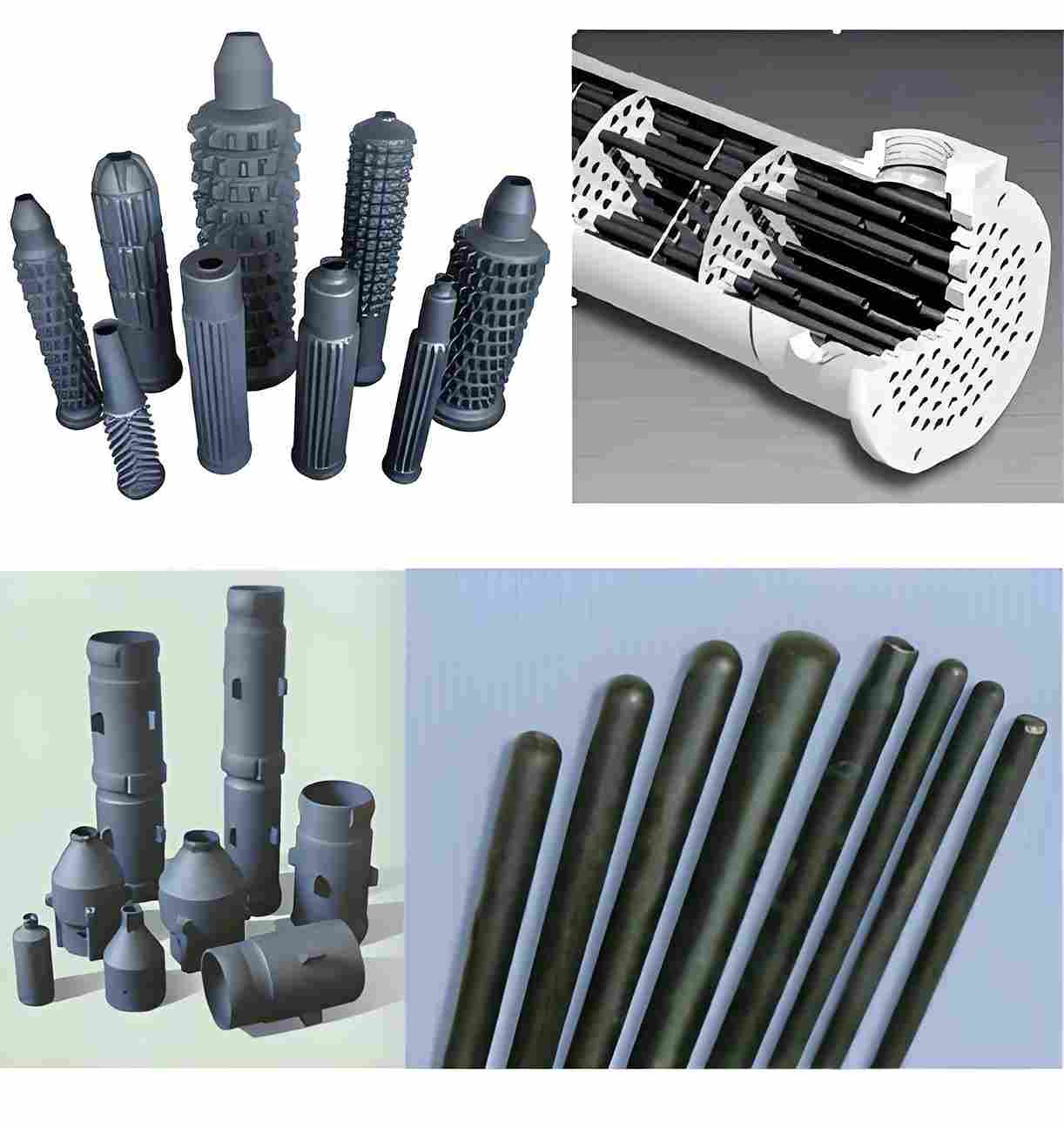
How to Evaluate SiC Suppliers Before Ordering is the first question engineers ask when they need reliable silicon carbide components for high‑temperature, corrosive or wear‑critical applications.
Why Proper Supplier Evaluation Matters
In the last decade, we have seen several projects grind to a halt because the SiC parts arrived either out of spec or weeks later than promised. A single out‑of‑tolerance seal ring can scrap an entire pump, costing tens of thousands of dollars and damaging a customer’s reputation. The stakes are high enough that a superficial supplier check is never enough.
Quick Evaluation Checklist (PDF Download)
Below is the core checklist we use internally at ZIRSEC when qualifying a new partner. Tick each item before you sign a purchase order.
- Technical Capability: Does the supplier have proven experience with SiC purity ≥ 98% and can they meet your tolerance (±0.1 mm for precision parts, ±0.5 mm for standard items)?
- Quality System: ISO 9001:2015 certification, documented process control, and a traceable batch‑to‑batch COA (Certificate of Analysis).
- Production Capacity & Lead Time: Available inventory for standard sizes, and realistic tooling lead times for custom geometry (sample 2‑4 weeks, batch 4‑8 weeks).
- Engineering Support: Access to a dedicated application engineer who can review your drawings, suggest design optimizations, and run FEA simulations if needed.
- Pricing Structure: Transparent cost breakdown – raw material, machining, surface finish, and any specialty coating.
- Logistics & Documentation: Ability to provide MSDS, COA, and customs paperwork well ahead of shipment.
- After‑Sales Service: Warranty terms, on‑site failure analysis, and a clear escalation path.
Deep‑Dive Criteria
1. Material Purity and Microstructure
SiC parts that claim 99.9% purity but contain residual alumina or silica will degrade faster in oxidative atmospheres above 1300 °C. Ask for a recent batch analysis report and verify the grain size distribution – finer grains (≤5 µm) usually deliver better thermal shock resistance, while coarser grains boost fracture toughness for heavy‑load applications.
2. Dimensional Tolerance and Surface Finish
Our own projects with furnace tubes require ±0.1 mm tolerance and an Ra ≤1 µm surface to ensure sealing integrity. Request a machining capability statement and, if possible, a video of the CNC process. Some suppliers only guarantee ±0.5 mm; that may be acceptable for non‑critical rollers but not for seal rings.
3. Mechanical Strength Benchmarks
For pump shaft sleeves we use a minimum radial flexural strength of 130 MPa. Verify the supplier’s test method (three‑point bend or diametral compression) and compare it against ASTM C1161. If the data is missing, ask for a sample test at your own lab.
4. Thermal Shock and Oxidation Resistance
High‑temperature kilns impose rapid temperature swings. A good SiC supplier will provide cyclic thermal shock data (ΔT ≥ 400 °C, 30 cycles). Without this, you risk premature cracking. Additionally, ask whether the material has been pre‑oxidized – a thin SiO₂ skin can dramatically improve long‑term oxidation performance.
5. Customization Flexibility
Our experience shows that the most profitable relationships are with suppliers that can turn a 2‑D CAD drawing into a machined part within two weeks. Check if they have in‑house CNC, EDM, and grinding capabilities, and whether they accept tooling drawings directly.
6. Supply Chain Transparency
China’s raw SiC powder market is fragmented. Ask the supplier to name their powder vendor and provide a recent purchase order. This helps you gauge the risk of sudden price spikes or material shortages.
Real‑World Case Study: Avoiding a Production Shutdown
In early 2023 a German pump‑valve manufacturer ordered a batch of SiC seal rings from a new supplier. The parts arrived with a dimensional variance of ±0.4 mm – outside the spec of ±0.1 mm. The factory halted production for eight days, estimating a loss of $15,000. After an on‑site audit we discovered the supplier had switched to a lower‑grade powder without notifying customers. By switching to ZIRSEC, which offers real‑time powder traceability and a 100% acceptance‑on‑first‑try policy, the same OEM reduced lead time from 6 weeks to 3 weeks and eliminated dimensional re‑work.
How ZIRSEC Meets Every Checklist Item
We have been producing SiC ceramic components for more than 20 years, combining a 10,000 m² manufacturing floor with a full‑time application engineering team. Below are the ways we align with the checklist:
- Technical Depth: Our product line includes standard‑size tubes, plates, rollers, and custom‑shaped parts. All items are made from SiC ≥ 98% with documented grain size control.
- Quality Assurance: ISO 9001 certification, batch‑wise COA, and a statistically controlled machining process that routinely hits ±0.2 mm tolerance for custom parts.
- Inventory & Lead Time: Over 200 SKUs in stock, ready for 24‑hour dispatch. Custom tooling projects start with a 2‑week prototype phase.
- Engineering Collaboration: Dedicated engineers work with your CAD files, suggest design tweaks, and run thermal‑stress simulations at no extra cost.
- Transparent Pricing: Itemized quotes break down raw material, machining, surface finish, and packaging. No hidden freight surcharges.
- Documentation: Immediate provision of MSDS, COA, and export certificates to streamline customs clearance.
- After‑Sales Support: 12‑month warranty on all mechanical properties and a rapid‑response failure analysis hotline.
Explore our range of Silicon Carbide Tubes to see how quickly we can deliver a ready‑to‑install solution.
Fast‑Track FAQ (Featured Snippet Ready)
- What is the minimum order quantity for custom SiC parts?
- We accept batches as low as 10 pieces for prototype runs; most standard SKUs start at 20 pieces.
- How long does a typical sample take?
- 2 weeks for standard geometry, 4 weeks for complex custom designs that require new tooling.
- Can you provide a COA with each shipment?
- Yes, every batch is accompanied by a Certificate of Analysis and a full material test report.
- What is your warranty on mechanical strength?
- We guarantee the advertised flexural strength for 12 months under normal operating conditions; any deviation triggers a free replacement.
- Do you support export to the United States and Europe?
- All shipments comply with the latest REACH and US EAR regulations; we handle all necessary documentation.
Step‑By‑Step Evaluation Process
- Gather Requirements: List dimensions, tolerance, temperature range, and any surface‑finish needs.
- Shortlist Suppliers: Use Google and LinkedIn to find manufacturers with at least 5 years of SiC experience.
- Request Technical Packages: Ask for material certificates, machining capability statements, and reference projects.
- Order a Pilot Sample: Keep the sample size limited (5‑10 pieces) and run a full functional test in‑house.
- Perform Gap Analysis: Compare test results against your spec sheet; note any deviations and discuss corrective actions.
- Negotiate Terms: Confirm price, lead time, warranty, and after‑sales support before committing to volume orders.
- Finalize Contract: Include clauses for quality penalties, on‑time delivery bonuses, and technical support obligations.
Bottom Line
Evaluating SiC suppliers is not a one‑click checkbox; it is a structured risk‑management activity that protects your project timeline, budget, and product performance. By following the checklist, probing the deep technical metrics, and partnering with a proven manufacturer like ZIRSEC, you eliminate the hidden costs that most engineers only discover after a failure.
Ready to place a confident order? Contact us at info@zirsec.com or fill out the inquiry form on our homepage. Our engineering team will respond within 24 hours with a tailored quote and a clear roadmap to delivery.