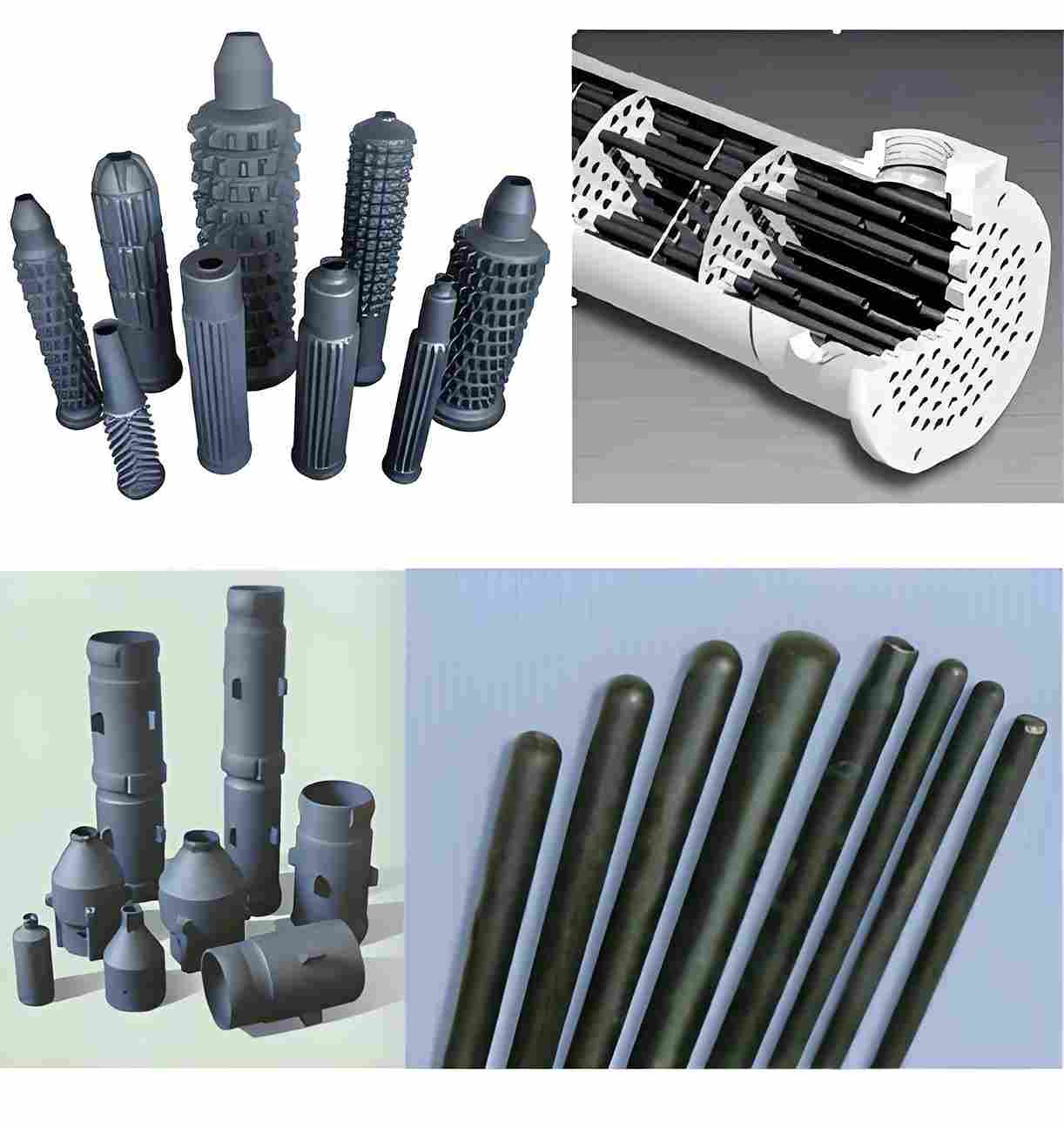
When you need a reliable silicon carbide (SiC) ceramic component for high‑temperature, corrosive or abrasive applications, the first question is not just “where” but “how” to procure it without compromising performance or budget.
- Key criteria: material purity (≥98% SiC), dimensional tolerance (±0.2 mm typical), high‑temp strength (≥130 MPa at 1500 °C), and verified test reports.
- Typical lead times: 2‑4 weeks for standard stock, 4‑8 weeks for engineered custom parts.
- Price range: $10‑$200 per unit, depending on size, tolerance and order volume.
- Top suppliers: manufacturers that combine in‑house powder processing, CNC grinding, and ISO‑9001 quality systems – ZIRSEC being a prime example.
1. Understanding Industrial SiC Ceramic Components
SiC ceramics excel where metal alloys fail: temperatures above 1300 °C, aggressive chemicals (hydrochloric, sulfuric acids), and continuous wear. The most common product families are:
- SiC Tubes: furnace liners, thermocouple protection, and fluid transport under high heat.
- Seal Rings & Gaskets: pump‑valve sealing against corrosive media.
- Plates & Sheets: protective liners for kilns, reactors, and refractory linings.
- Rollers & Nozzles: wear‑resistant components in sand‑blasting or fluidizing systems.
- Custom‑shaped parts: any geometry drawn from CAD files, often required for retrofit projects.
Each family has its own set of performance specs, but the underlying material properties remain the same: high compressive strength, low thermal expansion, and excellent electrical insulation.
2. Why SiC Is Often the Only Viable Choice
Manufacturers sometimes consider Al₂O₃, Si₃N₄ or ZrO₂ as alternatives. In practice, when you need simultaneous high‑temperature strength and chemical resistance, SiC beats the rest. A recent case study from a German steel‑plant retrofit showed that switching from Al₂O₃ plates to SiC reduced downtime by 30 % because the SiC survived a sudden temperature surge of 1800 °C without cracking.
3. Selecting the Right Supplier – What to Verify
3.1 Technical Capability
Ask for a detailed process flow: raw powder sourcing, sintering temperature, post‑processing (grinding, polishing), and final inspection. A supplier that can show you a certificate of analysis (COA) for every batch demonstrates control over SiC purity – a critical factor for oxidative stability.
3.2 Engineering Support
Our experience shows that projects stall when the vendor cannot read the engineering drawing. Look for a team that offers CAD‑to‑part assistance, tolerance analysis, and finite‑element validation. ZIRSEC, for example, assigns a dedicated product engineer to each new order and can deliver a 3‑D model within 48 hours.
3.3 Stock vs. Custom
Standard sizes (Ø10‑150 mm, length up to 300 mm) are usually kept in inventory for same‑day shipment. For custom geometries, verify that the factory has CNC grinding or EDM capability and that they can handle low‑volume runs (as few as 10 pieces) without a steep price penalty.
3.4 Quality Assurance
Ask for the following documents before placing a purchase order:
- ISO‑9001 or ISO‑14001 certification.
- Batch‑specific COA showing SiC purity, density, and grain size.
- Mechanical test reports (flexural strength, crushing load) at the operating temperature.
- Dimensional inspection report (CMM data) confirming tolerance compliance.
4. Cost Structure – Where Does Money Go?
Price is driven by raw material cost, sintering cycle length, and machining time. A typical cost breakdown looks like this:
| Cost Item | Typical % of Net Price |
|---|---|
| SiC Powder (≥98% purity) | 30‑40 % |
| Sintering & Thermal Treatment | 15‑20 % |
| Machining/Grinding | 20‑25 % |
| Quality Testing & Certification | 10‑15 % |
| Logistics & Export Docs | 5‑10 % |
Bulk orders (>1,000 pcs) can shave 5‑10 % off the unit price, but the real saving often comes from reduced re‑work – which circles back to supplier precision.
5. The Customization Process – From Drawing to Delivery
5.1 Sample Development
Most first‑time buyers start with a pilot batch of 5‑20 pieces. Our standard workflow is:
- Receive CAD file (STEP or IGES) and functional requirements.
- Run a DWG‑check for under‑cuts, draft angles, and wall thickness.
- Provide a prototype quote (including one‑off tooling if needed).
- Manufacture and ship the sample within 2‑4 weeks.
- Customer tests; feedback loops lead to a final design lock.
5.2 Scaling to Production
After design approval, we set up a repeatable batch process. Tolerances tighten to ±0.1 mm for high‑precision seals, while standard parts stay at ±0.3‑0.5 mm. Lead times for a 500‑piece run typically fall in the 4‑6 week window, provided raw material inventory is sufficient.
6. Logistics, Import & Documentation
SiC components are classified under HS Code 6815.00 (ceramic products of SiC). Key documents you will need for customs clearance include:
- Commercial invoice with HS code and unit price.
- Packing list showing weight and dimensions.
- Material Safety Data Sheet (MSDS) – even though SiC is inert, some jurisdictions require it.
- Certificate of Origin – for preferential duty rates under US‑China Phase 1.
Our logistics team in Shanghai coordinates FCL or LCL shipments, and we can arrange DAP (Delivered at Place) to major European ports, US Gulf ports, or Japanese terminals. Average sea‑freight for a 20‑ft container is $2,500‑$3,200, plus $300‑$500 for customs brokerage.
7. Risk Mitigation – Avoiding Common Pitfalls
Supply interruption: European pump‑valve makers once faced an 8‑day line shutdown because their SiC seal ring supplier ran out of stock. The remedy was to contract a secondary source with a minimum safety stock of 20 % of annual usage.
Dimensional drift: A German OEM reported a 12 % scrap rate when a supplier’s tolerance widened beyond ±0.3 mm. We solved it by implementing a real‑time CMM check and tightening the machining contract.
Regulatory hold‑up: Importers in the US occasionally see the shipment delayed due to missing COA. Supplying the COA with the commercial invoice eliminates the hold.
8. Frequently Asked Questions (FAQ)
- Q1: How do I know if SiC is the right material for my application?
- A: Compare operating temperature, corrosive medium, and wear rate. If temperature exceeds 1300 °C or the fluid is strongly acidic/basic, SiC typically outperforms Al₂O₃ or ZrO₂.
- Q2: What is the minimum order quantity (MOQ) for custom parts?
- A: We accept MOQs as low as 10 pieces for simple geometries; more complex parts may require a 20‑piece run to justify tooling.
- Q3: Can I get a 24‑hour quote for standard stock items?
- A: Yes, our online price list is backed by real inventory; an instant quote can be generated through the Silicon Carbide Tubes page.
- Q4: How is the warranty handled?
- A: All parts come with a 12‑month performance warranty against material defects. Failure due to improper installation is excluded.
9. Action Plan – Your Next Step
Stop juggling multiple low‑quality quotes. Follow this three‑step checklist:
- Define specs: purity, size, tolerance, and operating temperature.
- Contact a qualified SiC supplier: ask for COA, test reports, and a sample lead‑time guarantee.
- Lock in logistics: confirm HS code, required documents, and decide on DAP or DDP delivery.
Doing so reduces the risk of costly downtime and positions your project for on‑time launch. For any further technical clarification or to request a sample, reach out to our engineering team at info@zirsec.com.
With the right partner, procuring silicon carbide ceramic components becomes a predictable, low‑risk part of your supply chain rather than a gamble.