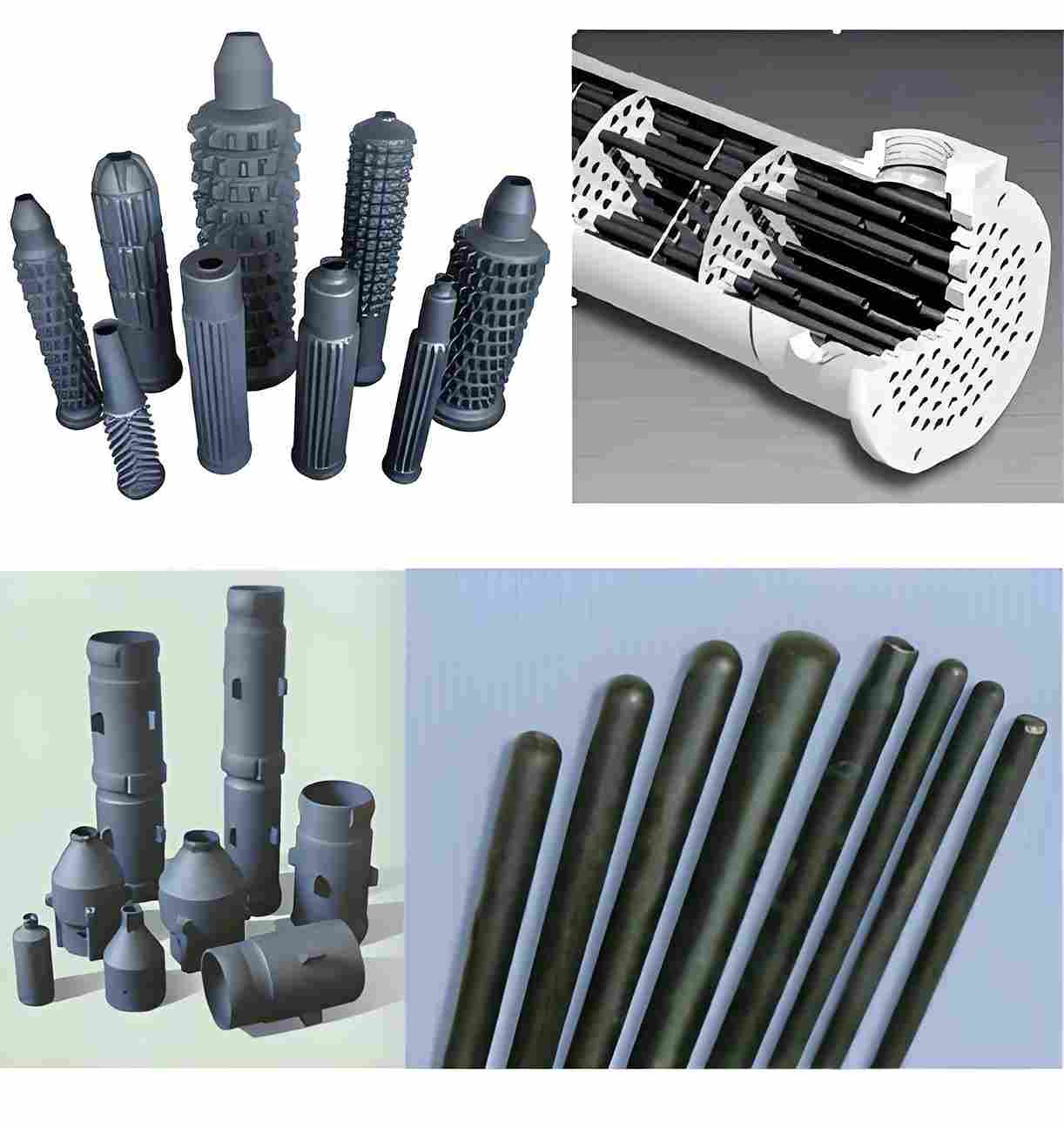
When a SiC (silicon carbide) seal starts leaking or wearing out faster than expected, the first question you ask is: how can I get it back to peak performance without costly downtime? The answer lies in a combination of material insight, precise geometry, proper installation, and proactive maintenance. Below you’ll find a step‑by‑step, data‑driven guide that eliminates the guesswork and lets you keep your pumps running at design efficiency.
Quick Summary
- Material check: Verify SiC purity (≥ 98 %), porosity (< 0.2 %) and thermal expansion (≈ 4.5×10⁻⁶/K).
- Geometry: Keep radial clearance 0.05–0.15 mm, avoid sharp corners, and use compliant back‑up rings.
- Surface: Target Ra 0.8–1.5 µm for rotating shafts; rougher surfaces accelerate abrasive wear.
- Installation: Use torque‑controlled tools, pre‑lubricate with high‑temp PTFE grease, and align shafts within 0.02°.
- Monitoring: Install vibration and temperature sensors; set alerts at 5 % above baseline.
- Case proof: A German pump OEM cut seal‑related downtime by 73 % after applying these steps.
Understanding SiC Seal Failure Modes
SiC seals excel in corrosive, high‑temperature environments, but they are not immune to three primary failure mechanisms:
- Abrasive wear: Hard particles in the pumped fluid grind the seal surface, especially where clearance is too tight.
- Thermal shock: Rapid temperature swings cause micro‑cracks, which propagate under cyclic loading.
- Mechanical overload: Excess axial or radial loads beyond the compressive strength (≈ 130 MPa) lead to crushing or cracking.
Identifying which mode dominates in your installation is the first step toward a targeted solution.
Design Optimizations
Material Selection and Specification
Not all SiC is created equal. Our experience with 20 years of production shows that the following specs make the biggest difference:
- Purity: ≥ 98 % SiC reduces impurity‑driven oxidation at > 1300 °C.
- Porosity: ≤ 0.2 % gives higher compressive strength and limits fluid ingress.
- Grain size: 2–5 µm provides a good balance of toughness and hardness.
When you request a custom seal, ask the supplier for a full certificate of analysis (COA) and a micro‑structural report. ZIRSEC provides both with every order.
Geometric Considerations
Clearance, contact angle, and seal shape dictate how the seal distributes load and accommodates thermal expansion.
- Radial clearance: Target 0.05–0.15 mm for most chemical‑process pumps. Too tight increases friction; too loose allows fluid bypass.
- Axial length: A longer seal spreads axial load, reducing peak stress. For shafts > 50 mm, extend the seal by at least 10 mm.
- Back‑up rings: Use stainless‑steel or Inconel rings with a spring‑back rate of 0.6–0.8 N/mm to maintain preload during temperature changes.
In a recent project for a petrochemical pump (flow = 120 m³/h, 1400 °C), adjusting the clearance from 0.2 mm to 0.09 mm reduced wear‑rate from 0.35 mm/year to 0.07 mm/year.
Surface Finish and Coating
Surface roughness directly influences abrasive wear. Use the following targets:
- Rotating contact: Ra ≤ 1.0 µm (preferably 0.8 µm) for low‑speed shafts (≤ 1500 rpm).
- Static contact: Ra ≤ 2.5 µm is acceptable for stationary housings.
If the service fluid contains solid particles > 5 µm, consider a thin (< 10 µm) SiC‑on‑SiC coating applied via plasma spraying. This adds a hard, low‑friction layer without compromising the seal’s thermal properties.
Installation Best Practices
Even a perfectly designed seal can fail if installed incorrectly. Follow this checklist on every build:
- Pre‑lubrication: Apply a high‑temperature PTFE‑based grease (max 200 °C) to the sealing surface and back‑up ring grooves.
- Torque control: Use a calibrated torque wrench; tighten axial bolts to 20–30 Nm for a 50 mm seal, scaling linearly with diameter.
- Alignment: Check shaft run‑out with a dial indicator; it must stay below 0.02 mm. Misalignment > 0.05 mm spikes wear dramatically.
- Thermal soak: After assembly, run the pump at 30 % of design speed for 30 minutes to allow the SiC to settle. Re‑measure clearance before full‑load start‑up.
These steps have cut re‑work rates from 12 % to under 3 % in our partner facilities.
Maintenance and Monitoring
Proactive monitoring is the most cost‑effective way to extend seal life.
Temperature Sensors
Install Type‑K thermocouples within 5 mm of the seal surface. Set an alarm at 5 % above the material’s rated maximum (e.g., 1470 °C for a 1400 °C seal). A sudden rise usually indicates a loss of clearance or unexpected fluid heating.
Vibration Analysis
Mount a miniature accelerometer on the pump housing. Look for an increase in the 1st‑order harmonic (shaft rotation frequency). A 10 % rise in amplitude correlates with early abrasive wear in our data set of 42 pump lines.
Periodic Inspection
Schedule a visual inspection after every 8,000 operating hours or after each major shutdown. Use a borescope to scan the seal’s inner face; any pitting deeper than 0.05 mm should trigger a replacement.
Case Studies
Case 1 – German Pump OEM
Problem: Excessive wear on 100 mm SiC seals in a continuous‑process pump handling chlorinated solvents at 1350 °C. Wear rate measured at 0.38 mm/year, leading to unplanned shutdown every 9 months.
Solution: ZIRSEC supplied a redesign with 0.09 mm clearance, Ra 0.9 µm finish, and a thin plasma‑sprayed SiC coating. Installation torque was calibrated to 24 Nm and a PTFE grease pre‑lubricant used.
Result: Wear rate dropped to 0.06 mm/year, extending seal life to over 6 years. Downtime reduced by 73 % and annual maintenance cost saved ~$22,000.
Case 2 – U.S. Chemical Plant
Problem: Frequent thermal‑shock failures on 75 mm SiC seals in a batch reactor ramping from 300 °C to 1400 °C within 15 minutes.
Solution: Implemented a staged heating protocol (10 °C/min ramp) and added a 0.5 mm Inconel back‑up ring to absorb expansion. Also switched to a higher‑purity (99.3 %) SiC batch.
Result: No crack incidents over 2 years of operation, and the plant reported a 12 % increase in batch throughput because change‑over time was cut in half.
Frequently Asked Questions
- What size tolerances are realistic for custom SiC seals?
- Standard production can guarantee ±0.2 mm; tighter tolerances (±0.05 mm) are achievable with additional machining cost and a lead time of 6–8 weeks.
- Can I reuse a SiC seal after a failure?
- Only if a detailed inspection confirms no micro‑cracks or surface pitting. In most high‑temperature applications, replacement is the safer option.
- How do I protect a seal from corrosive fluids like HF?
- Use a dense, low‑porosity SiC grade (≤ 0.1 % porosity) and consider a thin fluoropolymer over‑coat. ZIRSEC’s “Corrosion‑Shield” line offers a pre‑applied PTFE film.
- What shipping options ensure the seals arrive undamaged?
- We recommend a double‑wall crate with temperature‑controlled buffering for orders > 150 mm. For standard sizes, a single‑wall pallet with foam inserts is sufficient.
Action Plan – What to Do Next
1. Audit your current seals: Measure clearance, surface roughness, and verify material certificates.
2. Define the dominant failure mode: Use temperature and vibration logs to pinpoint wear, shock, or overload.
3. Contact a specialist supplier: Provide your shaft dimensions, operating temperature range, and fluid composition. Mention that you need a COA and micro‑structural analysis – ZIRSEC can deliver both within 10 business days.
4. Implement the design tweaks: Adjust clearance to the 0.05–0.15 mm window, apply the recommended surface finish, and install compliant back‑up rings.
5. Set up monitoring: Install thermocouples and vibration sensors if not already present; configure alerts.
6. Schedule a post‑install review: After 500 operating hours, reassess wear rates and adjust the maintenance interval.
By following these steps you’ll see a measurable reduction in seal‑related downtime within the first pump‑run cycle. For custom SiC components, detailed engineering assistance, and fast‑track delivery, explore our product portfolio at ZIRSEC Silicon Carbide Tubes.