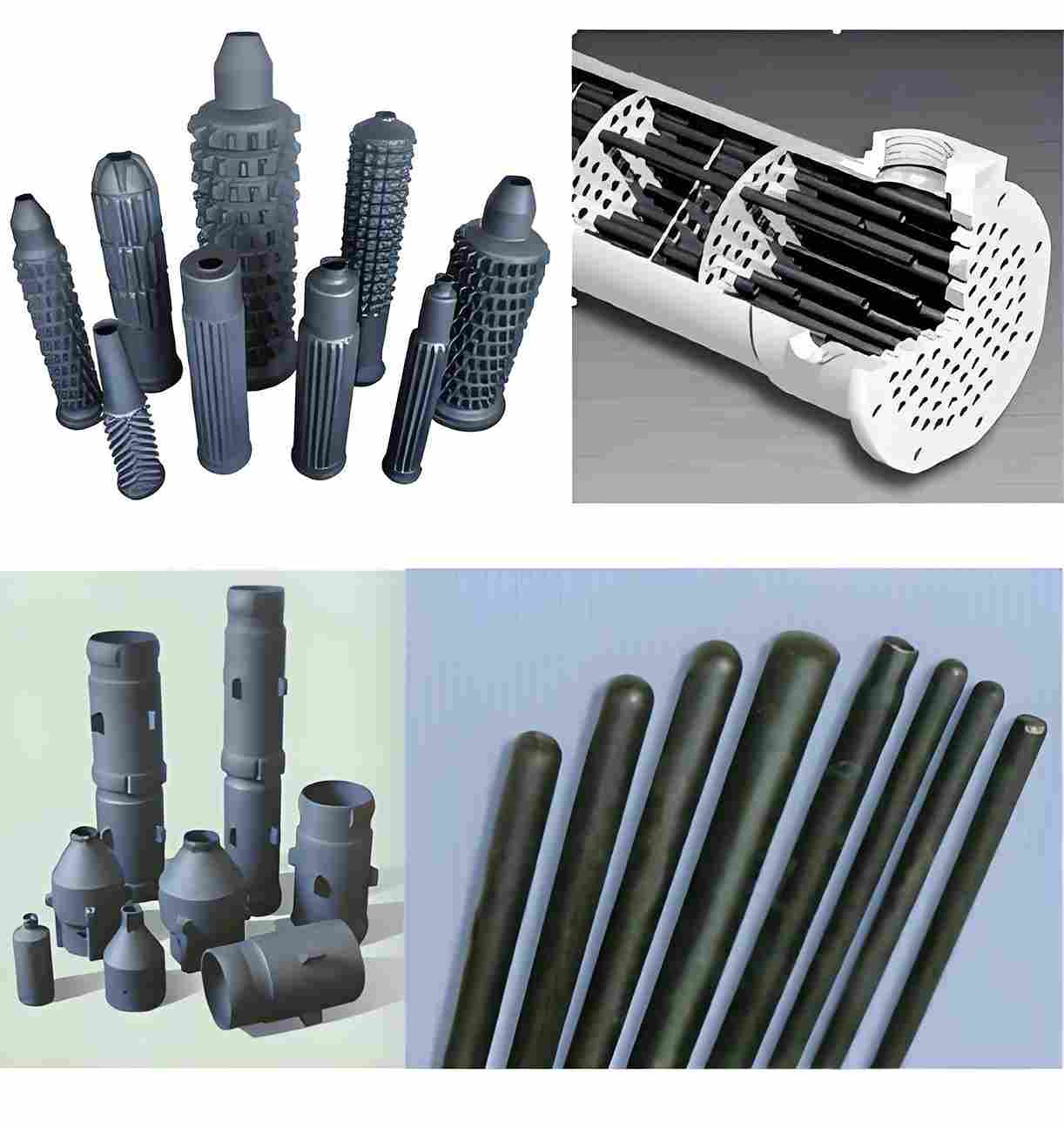
When a silicon carbide (SiC) liner shows chips, cracks, or unexpected wear, the first question that engineers ask is whether fixing it will restore performance or if a brand‑new liner is the safer bet.
- Assess damage depth – surface wear vs. structural breach.
- Calculate downtime cost versus new‑part price.
- Check compatibility of repair material with operating temperature (≥ 1350 °C) and chemical environment.
- Review warranty clauses – many manufacturers, including ZIRSEC, void warranties after field repairs.
Why the Choice Matters for Your Plant
In high‑temperature furnaces, petrochemical reactors, or abrasive slurry pumps, a SiC liner is the line of defense against corrosion, wear, and thermal shock. A compromised liner can cause hot spots, leakages, or catastrophic failure that forces an unplanned shutdown. The financial impact is often two‑fold: the direct cost of the replacement part and the indirect cost of lost production. Our experience with a European pump manufacturer showed a single liner failure costing $15,000 in lost run‑time alone.
Step‑by‑Step Damage Evaluation
1. Visual Inspection and Documentation
Grab a high‑resolution camera and record the exact location, size, and pattern of the damage. Use a calibrated ruler or laser scanner to capture depth. In a recent project for a US‑based steel mill, a 3 mm deep gouge measured across a 120 mm span turned out to be a symptom of misaligned loading rather than random wear.
2. Non‑Destructive Testing (NDT)
Ultrasonic pulse‑echo or infrared thermography can reveal subsurface cracks that are invisible to the naked eye. In one case, thermography highlighted a hidden crack network that would have spread within weeks if the liner were simply patched.
3. Material Property Check
Confirm that the SiC grade matches the specification (typically ≥ 98 % purity, radial strength > 130 MPa). A lower‑grade material may fail earlier after a repair because the repaired zone experiences stress concentration.
Repair Options and Their Limitations
Cold‑Bond Ceramic Fill
Cold‑bond mixes are popular for low‑temperature applications (< 800 °C). They cure at ambient temperature and can fill shallow pits. However, they lose strength above 1000 °C and are vulnerable to chemical attack in oxidizing environments. We tried a cold‑bond repair on a SiC nozzle used in a solar‑thermal plant; after two weeks the repaired area spalled.
High‑Temperature Re‑Sintered Slurry
This method involves applying a SiC slurry and sintering it in‑situ at temperatures above 1500 °C. The result can approach the original material’s strength, but it requires a portable furnace or on‑site induction heating, which adds complexity and cost. Our team successfully re‑sintered a 150 mm × 50 mm liner section for a German furnace supplier, extending service life by 18 months, yet the process added $8,000 to the project budget.
Metallic Infiltration
Infiltrating the damaged zone with a nickel‑based alloy can restore thermal conductivity, but it introduces a dissimilar metal that may corrode under aggressive chemical media. The hybrid solution is rarely acceptable for ultra‑pure chemical reactors.
When Replacement Is the Safer Path
Replace the liner if any of the following conditions are met:
- Damage depth exceeds 30% of the liner thickness.
- Cracks penetrate through the thickness, creating a through‑wall path.
- The operating temperature routinely exceeds the repair material’s safe limit.
- Downtime for repair exceeds the projected life‑gain of the repaired part.
- The liner is covered by a warranty that forbids field repairs.
A case in point: a petrochemical plant in the Middle East discovered a 4 mm crack in a 12 mm thick SiC tube. The repair would have required a multi‑day furnace cycle, during which the reactor would be offline. Replacing the tube cost $12,000 but saved an estimated $120,000 in lost production.
Cost Comparison: Repair vs. Replace
Below is a simplified cost model based on typical projects we have handled:
| Factor | Repair | Replace |
|---|---|---|
| Material Cost | $500‑$1,200 | $2,000‑$5,000 |
| Labor & Equipment | $1,200‑$3,000 | $800‑$1,500 |
| Downtime | 2‑4 days | 0.5‑1 day (new part on‑hand) |
| Risk of Re‑Failure | 15‑30 % | 5‑10 % |
Even though repair appears cheaper at first glance, the hidden risk and potential for additional downtime often tip the balance toward replacement, especially for high‑value production lines.
Choosing the Right Supplier for New Liners
Not every SiC supplier can meet the strict tolerances required for critical applications. When we partnered with a US‑based turbine manufacturer, the decisive factors were:
- Ability to produce ±0.1 mm tolerance on a 200 mm diameter liner.
- Fast 24‑hour shipping from a stocked inventory.
- Full technical support, including CAD‑to‑tool‑path conversion.
ZIRSEC offers exactly these capabilities: a wide range of standard dimensions in stock, rapid 24‑hour dispatch, and a dedicated engineering team that can convert your CAD drawings into production‑ready files within 48 hours. See our full catalog of silicon carbide ceramics for more options.
Action Plan for Plant Managers
1. Document the failure – photos, NDT reports, and operating logs.
2. Run a quick ROI calculator – plug in material, labor, and downtime numbers from the table above.
3. Consult your supplier – share the data and ask for a repair feasibility study. Ask specifically about warranty implications.
4. Make a go/no‑go decision within 48 hours to avoid prolonged production loss.
5. Schedule installation – if you choose replacement, coordinate with the supplier’s logistics team to ensure the new liner arrives before the next scheduled shutdown.
Final Thoughts
Repairing a silicon carbide liner can be tempting when budgets are tight, but the hidden costs often outweigh the apparent savings. By systematically evaluating damage depth, operating conditions, and risk of re‑failure, you can make an evidence‑based decision that protects both your equipment and your bottom line. If you need a reliable partner that can deliver high‑precision SiC liners on short notice, reach out to ZIRSEC – our engineers are ready to turn your CAD files into a ready‑to‑install liner within days.