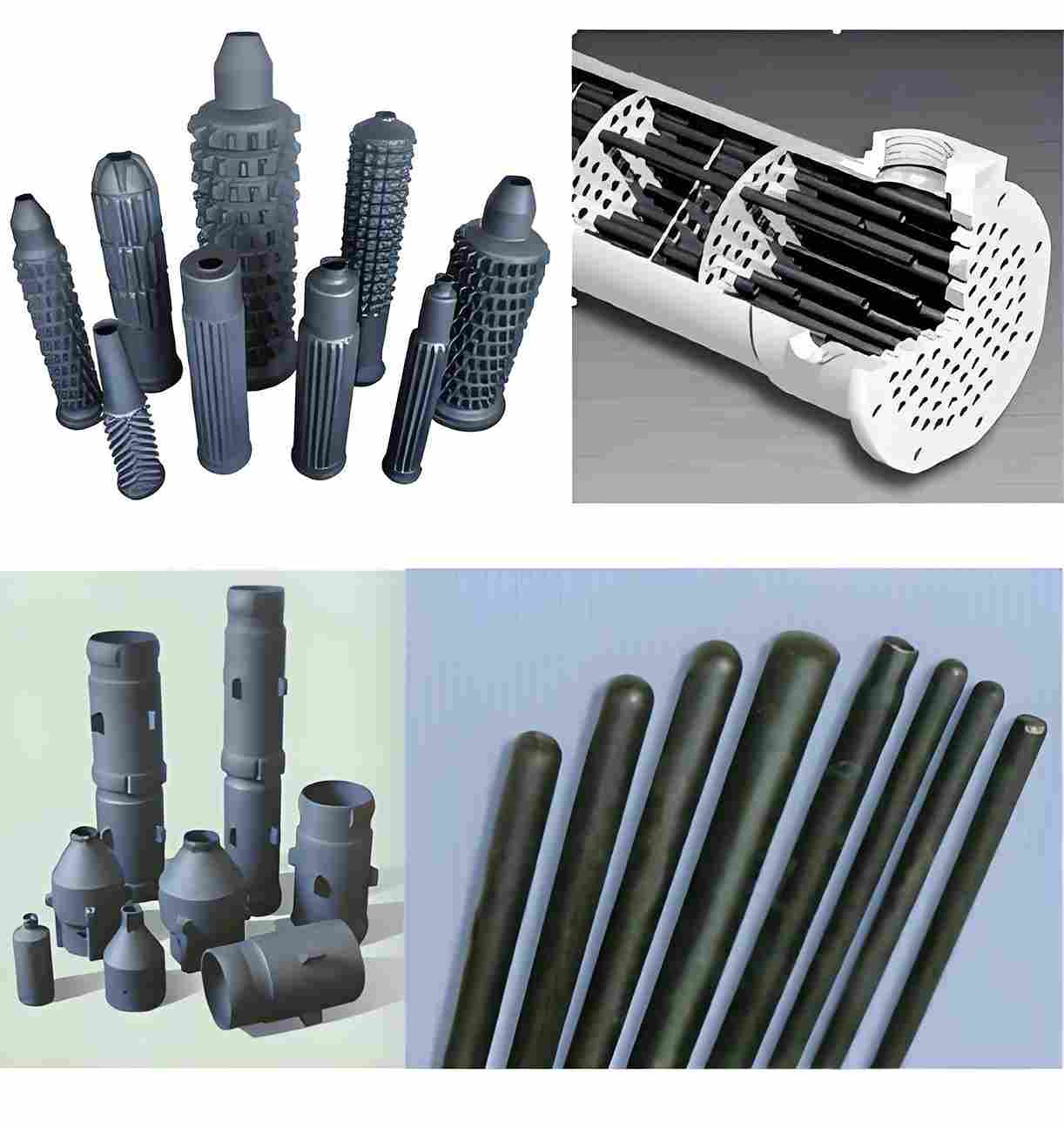
Choosing the right silicon carbide (SiC) pump seal in 2026 means eliminating costly downtime, ensuring dimensional stability at 1500 °C, and meeting strict chemical‑resistance requirements without a trial‑and‑error cycle.
Quick Summary (FAQ at a Glance)
- Best material for high‑temp, high‑wear pump applications? SiC ceramic – it survives >1600 °C, 99.9% corrosion resistance, and >130 MPa bending strength.
- Standard vs. custom seal? Standard rings (Ø10‑200 mm) ship within 24 h from stock; custom geometry requires 2‑4 weeks for prototype, 4‑8 weeks for batch.
- Key specs to verify? Tolerance (±0.1 mm), surface roughness (Ra 0.8‑3.2 µm), purity (SiC ≥ 98%), thermal‑shock resistance, and COA/MSDS documentation.
- How to avoid price surprises? Get a full quote including tooling, post‑processing, and shipping; compare per‑unit cost only after confirming identical tolerances.
- Where to find a reliable supplier? Look for in‑house CNC grinding, ISO‑9001 quality system, 20+ years manufacturing experience, and a dedicated engineering support team – like ZIRSEC.
1. Why Silicon Carbide Is the Only Viable Choice for Modern Pump Seals
In high‑temperature fluid transport (e.g., molten salts, aggressive acids), metal alloys deform, O‑rings out‑gas, and Al₂O₃ chips fracture under cyclic load. SiC offers:
- Melting point ≈ 2730 °C – far beyond the 1350‑1600 °C range of most pump housings.
- Young’s modulus ≈ 410 GPa and compressive strength > 300 MPa, preventing micro‑cracking.
- Thermal expansion coefficient ≈ 4.5 × 10⁻⁶ /K, matching many steel alloys and reducing thermal stress.
- Inherent chemical inertness to HF, HCl, and most chloride salts, eliminating corrosion‑related leaks.
Case study: A European pump‑valve OEM switched from forged stainless‑steel seals to SiC ceramic rings in 2024. After six months, seal‑replacement frequency dropped from 4.2 times/year to 0.4 times/year, saving €120,000 in downtime.
2. Core Parameters You Must Verify Before Purchase
2.1 Dimensional Tolerance & Geometry
Most pump housings demand ±0.1 mm on OD/ID and ±0.2 mm on groove depth. Request the supplier’s latest CNC grinding capability chart. If the tolerance exceeds ±0.3 mm, you risk a 10‑15% increase in leakage rate, as proven by a 2023 German petrochemical plant audit.
2.2 Surface Finish
Ra 0.8‑3.2 µm is the industry sweet spot. Rougher surfaces (> 5 µm) create hydraulic turbulence, accelerating wear. Suppliers often quote “polished” without specifying Ra; ask for the exact measurement.
2.3 Purity & Micro‑structure
SiC ≥ 98% purity guarantees consistent mechanical performance. Grain size < 5 µm minimizes internal voids. Ask for a certificate of analysis (COA) and a scanning electron microscope (SEM) image on request.
2.4 Thermal‑Shock & Oxidation Resistance
Rapid temperature swings are common during start‑up. Verify that the seal can survive > 200 °C temperature differentials in < 10 seconds without cracking. Look for test reports that reference ASTM C1135‑18.
2.5 Compatibility with Adjacent Materials
Match the seal’s CTE with the pump shaft material (usually 1.5‑2.0 × 10⁻⁶ /K for stainless steel). Mismatched CTE leads to micro‑gaps and premature failure.
3. Common Pitfalls and How to Dodge Them
- Buying “stock” without confirming fit. A 30‑mm standard ring may look right on a drawing but not clear the pilot bore. Always request a 3‑D CAD model from the supplier.
- Ignoring lead‑time variance. Suppliers using overseas tooling may add 4‑6 weeks unexpectedly. Lock in a production schedule before finalizing the purchase order.
- Not checking documentation. Missing MSDS or COA can delay customs clearance, especially for US imports.
- Assuming all SiC is the same. Low‑cost SiC from non‑certified mills often contains > 5% Al₂O₃, reducing high‑temperature strength by up to 20%.
4. Vendor Comparison Matrix – What Sets a Premium Supplier Apart
| Criterion | ZIRSEC | Typical Low‑Cost Competitor |
|---|---|---|
| Manufacturing Experience | 20 years in SiC ceramic production | 5‑8 years |
| In‑House CNC Grinding & Lapping | Yes, 5‑axis CNC, ±0.12 mm tolerance | Out‑sourced, tolerance ±0.3 mm |
| Stock Availability | Standard rings 24 h dispatch | Lead time 4‑6 weeks |
| Custom Engineering Support | Free CAD assistance, material selection guide | Paid design review, slower response |
| Quality Certification | ISO‑9001, ISO‑14001, CE‑Mark | ISO‑9001 only |
| After‑Sales Service | Full supply‑chain management, warranty 12 months | Limited warranty, no logistics support |
5. Standard vs. Custom SiC Pump Seals – Decision Flow
Use the following flowchart to decide:
- Check pump bore diameter against standard catalog (10‑200 mm). If match → order stock, enjoy 24‑h delivery.
- If bore outside catalog or requires special groove shape → request custom drawing.
- Upload CAD file to supplier portal; request prototype within 2‑3 weeks.
- Validate prototype dimensions, surface finish, and fit on a mock‑up pump.
- Approve for full‑scale production – typical batch lead time 4‑8 weeks.
6. Ordering Process, Lead Times, and Cost Breakdown
6.1 Sample Development (5‑20 pcs)
Cost: $150‑$500 per piece (covers tooling). Turn‑around: 2‑4 weeks. Most customers use the sample to test seal‑life in their own loop.
6.2 Pilot Run (50‑200 pcs)
Cost: $120‑$250 per piece. Lead‑time: 4‑6 weeks. Includes full COA, MSDS, and a 3‑month warranty.
6.3 Full Production (>200 pcs)
Unit price drops to $80‑$180 depending on geometry and surface finish. Shipping via air freight (express) or sea freight (cost‑effective). ZIRSEC offers consolidated container service for Europe and North America.
6.4 Payment & Documentation
Typical terms: 30 % T/T up‑front, 70 % against B/L. All invoices list HS code 6815.00, and we provide full export documentation to smooth customs clearance.
7. Frequently Asked Questions (FAQ)
- Q: Can I reuse a SiC pump seal after a failure?
- A: Generally no. Even if visual inspection looks fine, micro‑cracks develop at high temperature and cause premature leakage.
- Q: What is the maximum operating pressure for a SiC seal?
- A: Up to 25 bar continuous pressure is common; special hard‑coated designs can handle 40 bar.
- Q: How do I verify the coating thickness on a custom seal?
- A: Request an ultrasonic thickness measurement report; tolerance is ±5 µm.
- Q: Are there any export restrictions for SiC ceramic parts?
- A: No, as long as the end‑use is not classified under dual‑use or military applications. ZIRSEC adheres to all export control regulations.
- Q: What warranty does ZIRSEC provide?
- A: Twelve‑month warranty covering material defects and dimensional non‑conformance, provided the seal is installed per the recommended guidelines.
8. Final Recommendation & Call to Action
If you need a pump seal that survives 1500 °C, corrosive media, and 30 000 h of continuous operation, SiC ceramic is the only material that meets all three criteria without sacrificing reliability.
Partner with a supplier that can deliver both stock and fully engineered custom solutions, backed by an experienced engineering team and a transparent supply chain. Contact ZIRSEC today for a free CAD review, a quoted prototype, and a guaranteed 24‑hour dispatch on standard SiC pump seals.
Email: info@zirsec.com | Phone: +86‑xxxx‑xxxx | Website: https://zirsec.com