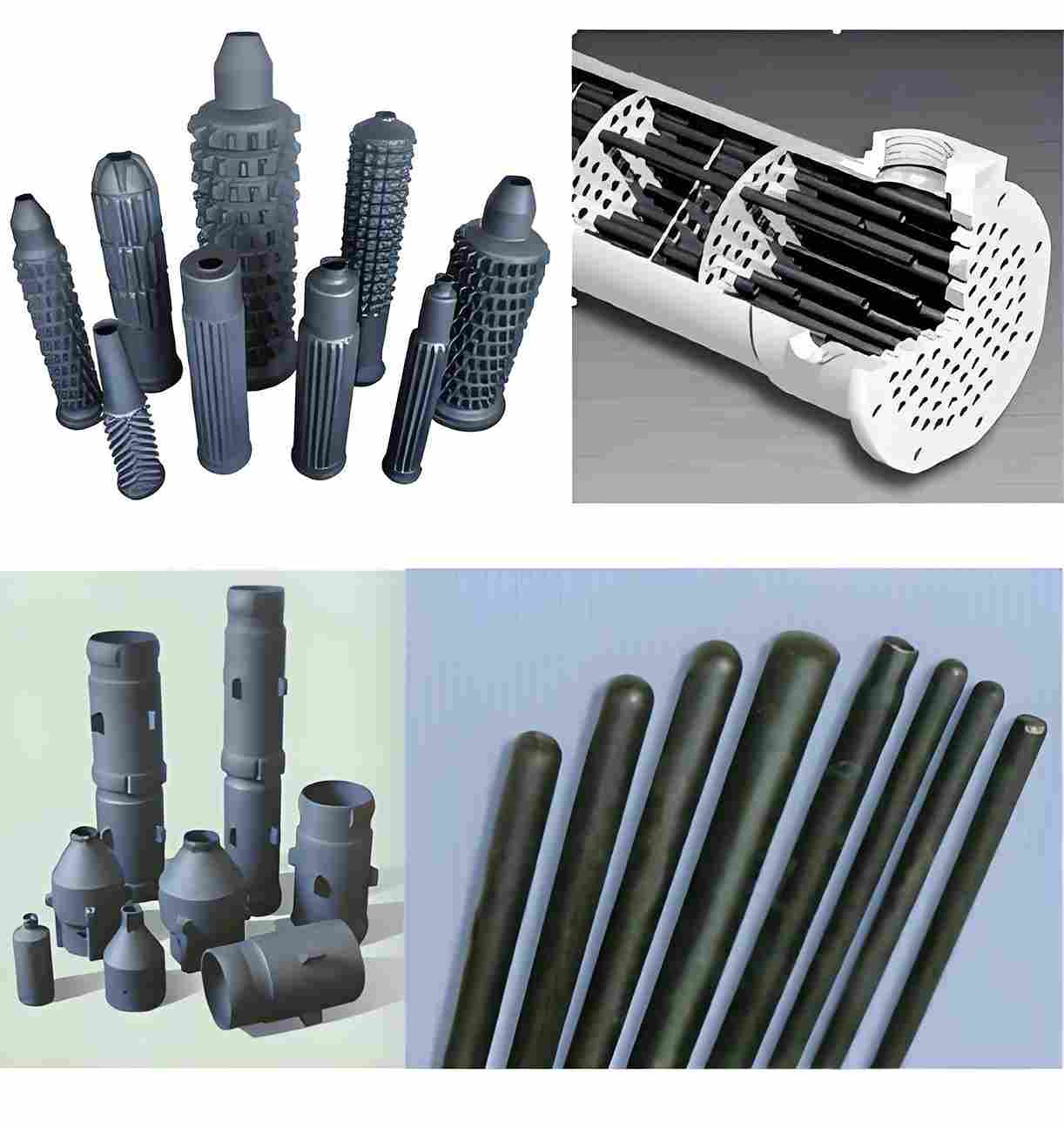
When you open a silicon carbide (SiC) datasheet, the flood of numbers, symbols and test methods can feel overwhelming, especially if you need the part for a high‑temperature furnace or a corrosive pump seal. This guide cuts through the clutter and shows exactly what each section means, how to validate the data, and which red flags to watch for.
Quick Summary – What You Need to Check in 5 Minutes
- Material purity & composition: SiC ≥ 98 % is standard for industrial grade.
- Mechanical strength: Bending strength (modulus of rupture) ≥ 130 MPa for most furnace applications.
- Thermal limits: Continuous operating temperature ≥ 1350 °C, short‑term spikes ≤ 1600 °C.
- Dimensional tolerance: ±0.1 mm for precision seals, ±0.5 mm for bulk tubes.
- Quality certifications: ISO 9001, ISO 14001, and any industry‑specific approvals.
If the sheet meets or exceeds these baseline criteria, you are halfway to a reliable purchase.
1. Anatomy of a Silicon Carbide Datasheet
A typical SiC datasheet is divided into three logical blocks: General Information, Performance Data, and Compliance/Documentation.
1.1 General Information
This block lists the product name, part number, and a brief description (e.g., “SiC ceramic tube, Ø20 mm × 1500 mm, standard grade”). It also includes the manufacturer’s contact details, which is where you can request a custom drawing or a sample.
1.2 Performance Data
Here you find the numbers that matter to engineers: mechanical, thermal, electrical, and chemical properties. Each metric is usually tied to a testing standard (ASTM, ISO, or DIN). Knowing the standard lets you compare apples‑to‑apples across suppliers.
1.3 Compliance & Documentation
Certificates of Analysis (CoA), Material Safety Data Sheets (MSDS), and any export control notices are listed. For high‑value projects, ask for a third‑party inspection report. Missing documents are a red flag.
2. Mechanical Properties – What Strength Means for Your Design
Mechanical data is the backbone of any SiC component selection. The most common figures are:
- Modulus of Rupture (MOR) – Gives the maximum bending stress the ceramic can sustain. Typical values: 120‑170 MPa for standard SiC, >200 MPa for high‑strength grades.
- Compressive Strength – Often higher than MOR, ranging 300‑400 MPa. Important for load‑bearing tubes.
- Hardness (Vickers) – 1500‑2500 HV, indicating wear resistance.
When the datasheet cites “ASTM C1113” for MOR, you know the test was performed on a rectangular bar under controlled loading. If your application involves cyclic loading, request fatigue data – many manufacturers (including ZIRSEC) can provide it on demand.
3. Thermal Performance – Staying Safe Above 1300 °C
SiC’s fame comes from its ability to survive extreme heat. Key thermal specifications include:
- Maximum Continuous Service Temperature – The longest duration the part can handle without degradation. Look for ≥ 1350 °C for furnace tubes.
- Thermal Shock Resistance – Usually expressed as ΔT (°C) for a 10‑second quench. A value of 600 °C is typical for dense SiC.
- Coefficient of Thermal Expansion (CTE) – 4‑5 × 10⁻⁶ /K for SiC. Matching CTE with metal housings reduces stress.
Datasheets will reference “ASTM C1490” for thermal shock and “ISO 11561” for CTE. If your system sees rapid temperature swings, verify the ΔT rating; otherwise you may face micro‑cracking.
4. Electrical Insulation – When SiC Becomes a Dielectric
In high‑temperature sensors or heater elements, the electrical resistivity of SiC matters. Typical values are 10⁴‑10⁶ Ω·cm at 25 °C, rising sharply with temperature. Look for the test method (e.g., “DIN 51984”). If the component must act as an insulator at > 1000 °C, ask for high‑temperature resistivity curves.
5. Chemical Resistance – Surviving Harsh Media
SiC is renowned for resisting acids, alkalis, and molten salts. The datasheet may list a “corrosion test” – often ASTM C1675 – with results such as “no measurable weight loss after 100 h in 30 % H₂SO₄ at 900 °C”. For applications in chlorinated environments, verify resistance to chlorine gas or HF.
6. Dimensional Tolerances – Precision Matters
Tolerance columns are usually expressed as “±0.1 mm (standard) / ±0.05 mm (tight)”. For seals and bearings, even a 0.2 mm variance can raise wear rates dramatically. Check if the supplier offers grinding or lapping to achieve tighter specs. ZIRSEC, for instance, can guarantee ±0.1 mm on stock tubes and tighter on custom orders.
7. Surface Finish – Roughness and Post‑Processing
Ra (average roughness) values dictate how a part will mate with metal flanges. Typical finishes:
- Ra 0.8 µm – As‑sintered, suitable for high‑temperature flow paths.
- Ra 0.2 µm – Polished, required for low‑friction seals.
If the datasheet does not list surface finish, request a finish specification sheet. For high‑speed pumps, a smoother surface reduces cavitation risk.
8. Quality Certifications – Guarantees you can trust
Look for ISO 9001 (quality management) and ISO 14001 (environment). For aerospace or defense‑adjacent parts, you may also need AS9100 or ITAR compliance – but the brief says to avoid military markets, so focus on ISO standards. A CoA that references the specific test batch number is essential for traceability.
9. Common Pitfalls – What to double‑check before you sign
- Missing test standards – If a strength value is given without an ASTM reference, ask for the test method.
- Temperature rating vs. oxidation – SiC can oxidize above 1100 °C in air; some datasheets provide a protective coating rating (e.g., SiC‑Si₃N₄). Verify coating details if you operate in oxidative atmospheres.
- Batch‑to‑batch variation – Request a recent CoA for the exact lot you intend to buy.
- Inconsistent units – Some European suppliers list MPa, others list N/mm². Ensure you are comparing like‑for‑like.
10. Frequently Asked Questions (FAQ)
| Question | Answer |
|---|---|
| What purity of SiC is required for furnace tubes? | Industrial grade ≥ 98 % SiC with ≤ 0.5 % total impurities meets most high‑temperature requirements. |
| Can I order a custom length tube? | Yes. ZIRSEC can cut and sinter tubes to any length up to 2 m with a 5 % tolerance on the cut surface. |
| How long does a sample take to ship? | Standard stock samples are dispatched within 24 h; custom samples usually ship in 2‑4 weeks. |
| Do you provide MSDS and CoA? | All shipments include a full Material Safety Data Sheet and a Certificate of Analysis for the specific batch. |
| What is the typical price range? | Depending on geometry and volume, SiC tubes range from $10 to $200 per piece; bulk orders can secure volume discounts. |
11. How ZIRSEC Helps You Decode the Datasheet
Our engineering team has reviewed hundreds of SiC datasheets and can translate the jargon into actionable advice. When you request a quote, we automatically provide:
- A side‑by‑side comparison of the requested part against our standard catalog (see Silicon Carbide Tubes).
- Customized tolerance sheets that match your CAD models.
- Full export documentation – CoA, MSDS, and ISO certificates – ready for customs clearance.
- Optional post‑processing (polishing, grinding, coating) to meet tight surface‑finish specifications.
Because we keep a large inventory of standard sizes, most orders ship within 24 hours, eliminating the downtime that plagued a European pump‑valve maker last year.
12. Action Plan – From Datasheet to Delivered Part
- Download the datasheet and locate the five key sections highlighted above.
- Validate test standards – ensure each numeric value cites a recognized ASTM/ISO method.
- Cross‑check dimensions against your CAD model; request a tolerance confirmation if needed.
- Contact the supplier (use the email on the sheet) and ask for a recent CoA and any fatigue or oxidation data not listed.
- Place a sample order – for non‑stock items, a 10‑20 piece pilot run lets you verify fit and performance before full production.
- Confirm logistics – request a pro‑forma invoice that includes HS codes, Incoterms, and any required export permits.
Following these steps reduces the risk of surprise failures and speeds up project approval.
Conclusion
Reading a silicon carbide technical datasheet is less about memorizing numbers and more about confirming that every claim is backed by a recognized test, matches your design tolerances, and comes with the documentation needed for international trade. By focusing on purity, mechanical strength, thermal limits, chemical resistance, and certification, you can make an informed decision without chasing multiple suppliers.
If you need a partner that can supply both standard and fully custom SiC components while providing the paperwork you need for a smooth import, reach out to ZIRSEC today. Our engineers are ready to help you translate the datasheet into a reliable, on‑time delivery.