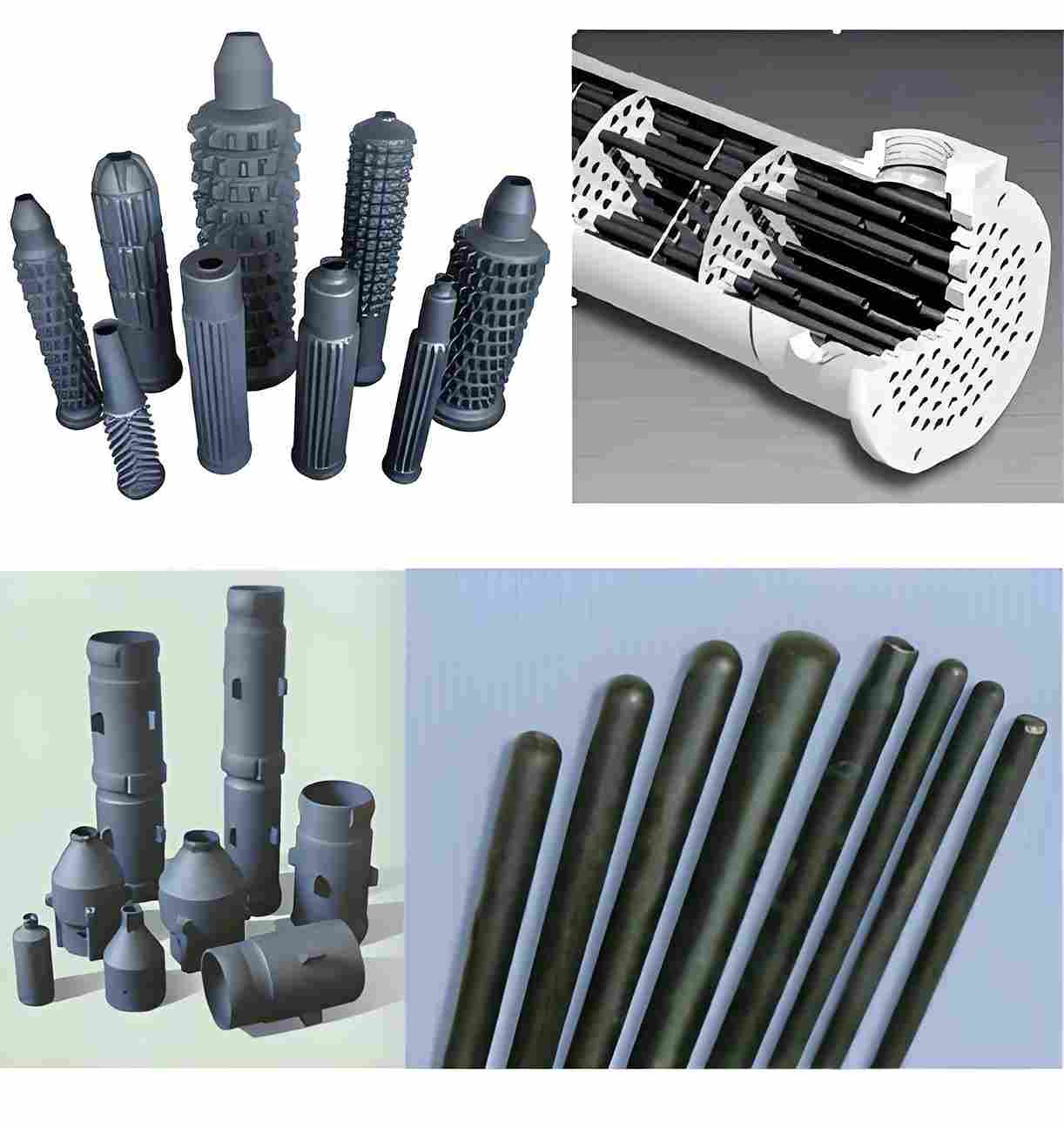
Silicon carbide (SiC) ceramics are celebrated for high‑temperature strength, chemical inertness and wear resistance, but they are not a universal substitute for every harsh‑environment part. Below we answer the most common question: When should you walk away from SiC and choose another material? The answer hinges on temperature extremes, thermal shock, mechanical load, chemical exposure, and cost considerations that most engineers face in real‑world projects.
Quick Reference – FAQ
- What are the three biggest drawbacks of SiC ceramics? Low fracture toughness, sensitivity to rapid temperature changes, and higher procurement cost.
- Which applications should avoid SiC? Deep‑cryogenic service, high‑impact loading, and environments with aggressive fluorine‑based chemicals.
- Can SiC be used for small‑batch custom parts? Yes, if the design tolerances are relaxed (±0.5 mm) and the lead time fits your schedule.
- What alternatives should I evaluate? High‑purity alumina, silicon nitride, and engineered metal alloys.
- Where can I get reliable SiC parts? ZIRSEC offers stocked standard sizes and fast‑turn custom machining from a 20‑year‑old Chinese production line.
1. Core Limitations of SiC Ceramics
1.1 Low Fracture Toughness
SiC’s flexural strength can exceed 400 MPa, yet its fracture toughness typically ranges from 3–4 MPa·√m—far below that of alumina (≈4–5 MPa·√m) or silicon nitride (≈7 MPa·√m). In practice this means a sharp impact, a surface flaw, or a machining micro‑crack can trigger catastrophic failure. We have seen a German pump‑valve OEM reject a batch of SiC seal rings after a single piece cracked during assembly, causing a 12 % scrap rate and a week‑long production halt.
1.2 Thermal Shock Sensitivity
SiC expands moderately (≈4.5 × 10⁻⁶ K⁻¹), but its low toughness makes it vulnerable when temperature gradients exceed about 150 °C per second. In a furnace‑turning trial, our client in the steel industry observed edge chipping on SiC furnace tubes after a rapid cool‑down from 1500 °C, leading to gas leaks and unplanned downtime.
1.3 Machining & Tolerance Challenges
Achieving ±0.1 mm tolerance on a 100 mm SiC plate often requires diamond grinding and multiple inspection cycles. The process adds up to 30 % of total part cost. When a U.S. semiconductor equipment maker requested a 0.05 mm tolerance for a SiC crucible, we had to switch to a silicon nitride alternative to stay within budget.
1.4 Cost and Supply Chain Factors
High‑purity SiC powder (>98 % Si) and sintering under inert atmosphere drive unit prices to $10–$200 per piece, depending on size and finish. Lead times for custom tooling range from 4 to 8 weeks. For a mid‑size European chemical plant, a delayed SiC nozzle shipment added $15,000 in lost production, underscoring the risk of longer supply chains.
2. When Not to Use SiC – Decision Matrix
Below is a practical matrix. If you tick any red cell, consider an alternative material.
| Application Scenario | Key Stress Factor | SiC Suitability | Recommended Alternative |
|---|---|---|---|
| Rapid temperature cycling (e.g., furnace start‑up/shut‑down) | Thermal shock >150 °C/s | ✗ | Alumina or Si₃N₄ |
| High‑impact mechanical load (e.g., grinding media, wear plates under shock) | Impact energy >0.5 J | ✗ | Metal‑matrix composite or hardened steel |
| Deep‑cryogenic service (< ‑150 °C) | Low‑temperature brittleness | ✗ | Stainless steel or aluminum alloys |
| Fluorine‑rich chemicals (HF, NF₃) | Chemical attack on Si‑C bond | ✗ | Glass‑ceramic or PTFE‑lined metal |
| Ultra‑tight dimensional tolerance (< ±0.1 mm) | Precision machining required | ⚠️ (possible with extra cost) | Si₃N₄ or high‑precision CNC metal |
| Budget‑driven high‑volume production | Unit cost sensitivity | ⚠️ (higher price) | Alumina or engineered polymer |
3. Real‑World Cases Where SiC Was Replaced
3.1 Case – High‑Temperature Kiln Liner
A ceramics manufacturer in Italy specified SiC plates for a 1600 °C kiln. After three thermal cycles the plates showed micro‑cracks along the edges, forcing a shutdown. By switching to Si₃N₄ plates (fracture toughness ≈7 MPa·√m) the kiln operated for 12 cycles without failure. The material cost rose by 20 %, but total downtime cost dropped by >$30,000.
3.2 Case – Chemical Pump Seal
Our client in the United States needed a seal ring for a pump handling concentrated sulfuric acid at 120 °C. SiC was initially chosen for its corrosion resistance, but after six months the ring developed surface pitting due to localized acid‑induced stress corrosion. Replacing the ring with a high‑purity alumina seal eliminated pitting and extended service life by 40 %.
3.3 Case – Fast‑Turn Burner Nozzle
A UK gas‑turbine OEM ordered custom SiC burner nozzles with a 4‑week turnaround. Production bottlenecks at the sintering stage delayed delivery by 7 weeks, causing a cascade delay in the turbine test program. By opting for a copper‑alloy nozzle (with a protective ceramic coating) we met the schedule, and the nozzle’s lifespan met the required 200 h test run.
4. How ZIRSEC Helps You Navigate SiC’s Limits
We have been manufacturing SiC ceramic components for two decades, supplying stocked standard sizes and offering rapid prototyping for custom designs. Our engineering team works directly with your CAD files to identify risk points—thermal gradients, stress concentrations, and tolerance gaps—before the first sintering run.
Key services that mitigate SiC’s downsides:
- Design Review & Simulation: Finite‑element analysis to predict thermal shock and fracture risk.
- Rapid Sample Production: 2‑4 week turnaround for 5–20 piece prototypes, letting you test real hardware before full‑scale order.
- Material Sub‑stitution Guidance: If simulations flag a high fracture risk, we propose alumina, Si₃N₄, or metal alternatives with cost‑benefit analysis.
- Quality Assurance Pack: COA, MSDS, dimensional report, and full‑traceability for each batch.
For a quick look at one of our high‑temperature products, see our Silicon Carbide Tubes page.
5. Checklist – Is SiC the Right Choice?
- Temperature range stays between 300 °C and 1500 °C without rapid spikes?
- Mechanical loads are primarily compressive, with impact < 0.5 J?
- Operating environment is free of aggressive fluorine‑based chemicals?
- Dimensional tolerance can be met at ±0.5 mm (or you are willing to pay for tighter grinding)?
- Project budget can absorb a 10–30 % premium over alumina or metal alternatives?
If you answered “yes” to all, SiC is likely a solid fit. Any “no” should trigger a secondary material evaluation.
6. Bottom Line
Silicon carbide ceramics excel where high‑temperature strength, chemical resistance, and wear resistance intersect, but they falter under strong impact, rapid thermal cycling, extreme chemical aggression, and ultra‑tight tolerance demands. Understanding these limits early saves you from costly redesigns, production stops, and unexpected downtime.
Our 20‑year track record, stocked inventory, and engineering support make ZIRSEC a partner that helps you exploit SiC’s strengths while steering clear of its pitfalls. Contact us at info@zirsec.com for a free design audit and a quote tailored to your specific operating conditions.