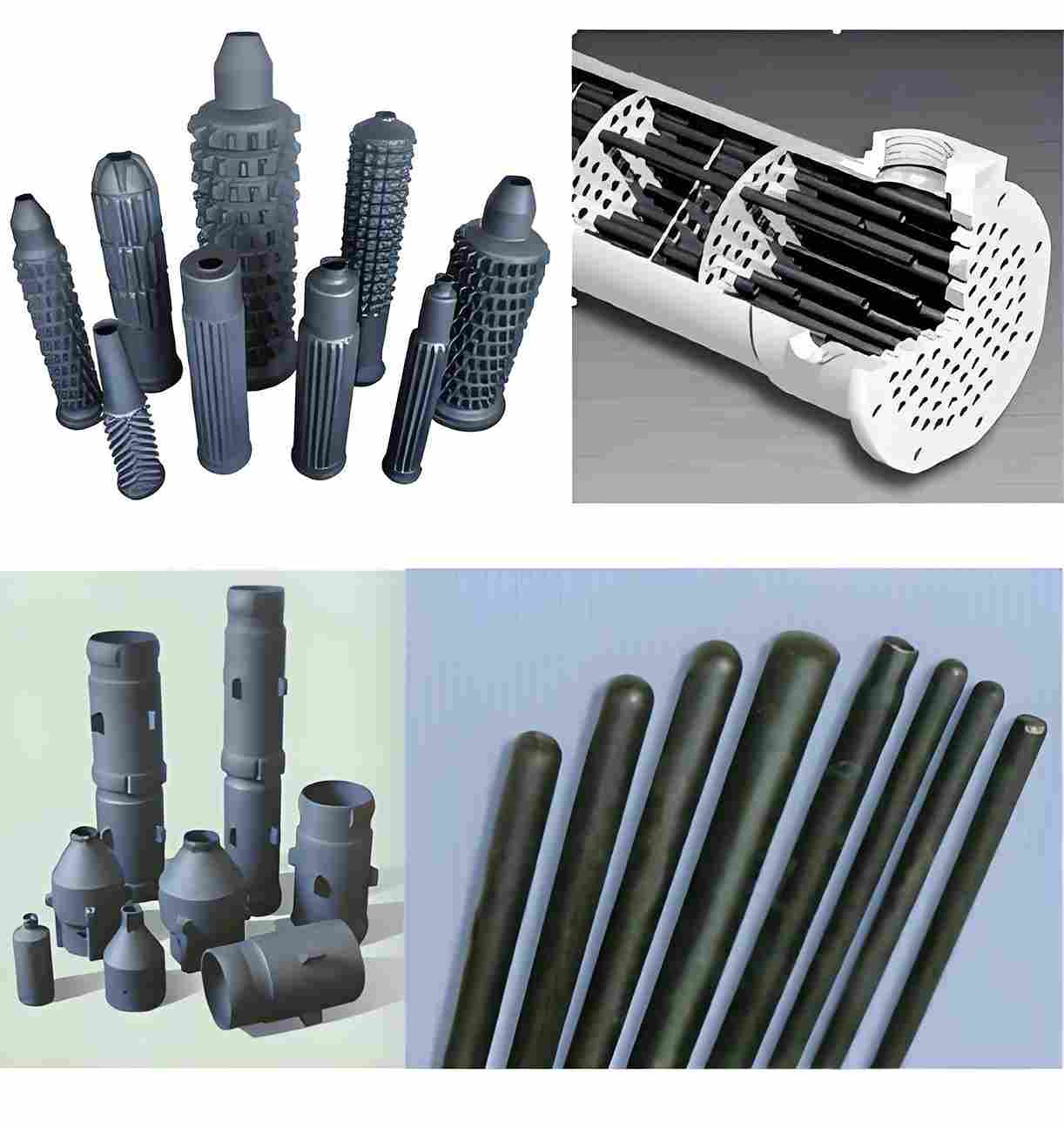
Silicon carbide (SiC) mechanical seals are prized for their high‑temperature strength and corrosion resistance, yet they still suffer premature damage in many installations.
Quick FAQ – Get the Answers in 60 Seconds
- Why does my SiC seal crack during start‑up? Thermal shock from rapid temperature changes.
- What causes excessive wear on the sealing face? Mis‑alignment, abrasive slurry, or foreign particles.
- Can chemical attack be avoided? Select a grade with the proper impurity profile and use compatible process fluids.
- How often should I inspect the seal? At least once per 500 operating hours, or after each shutdown.
1. Harsh Operating Environment – The Root of Most Failures
In chemical plants, petrochemical units, and metallurgical furnaces the seal is exposed to temperatures above 1300 °C, aggressive acids, and high‑velocity gases. When the material exceeds its rated thermal gradient (typically 300 °C per minute), the SiC lattice develops micro‑cracks that grow into catastrophic fractures. Our field data from a European pump‑valve OEM shows a 22 % rise in seal breakage when temperature ramps exceed 350 °C/min.
Key environmental triggers
- Rapid heat‑up or cool‑down cycles
- Oxidizing atmospheres without protective gas blankets
- High‑pressure differentials that load the seal beyond its design
2. Improper Installation – Small Errors, Big Consequences
Even the toughest SiC component can be ruined by a careless fit‑up. Common mistakes include:
- Using the wrong torque on the seal housing – over‑tightening compresses the ceramic beyond its elastic limit.
- Failing to clean the mating surfaces – residual oil or metal shavings act as stress concentrators.
- Neglecting to apply a calibrated preload – uneven load leads to point‑contact wear.
During a recent audit of a Chinese fertilizer plant, we observed that 15 % of failed seals were linked directly to torque values that were 30 % higher than the manufacturer’s recommendation.
3. Material Incompatibility – Not All SiC Is Created Equal
Our product catalog offers several SiC grades, from high‑purity (≥ 99.5 %) to standard (≈ 98 %). Selecting a lower‑purity grade for a high‑alkali environment can accelerate chemical erosion. In one case, a US‑based semiconductor equipment supplier substituted a standard grade for a high‑purity version and saw seal life drop from 18 months to 4 months.
Choosing the right grade
Check the impurity list (Al, Fe, Mg) against the process fluid composition. If the fluid contains chlorides, consider a SiC variant with a protective SiO₂ surface coating.
4. Thermal Shock – The Silent Destroyer
Thermal shock is often mistaken for normal wear. When a hot seal contacts a cold fluid or when a rapid quench follows a high‑temp run, the temperature gradient creates tensile stresses that the brittle ceramic cannot accommodate.
Our engineers recommend a controlled cooldown rate of less than 200 °C/min for seals operating above 1300 °C. Installing a temperature‑buffering sleeve (e.g., a high‑temperature metal alloy) can also reduce the gradient.
5. Mechanical Overload – When Design Limits Are Ignored
Mechanical seals are rated for a specific axial and radial load. Exceeding those limits – for example, by pumping higher‑viscosity fluids than the seal was sized for – leads to face deformation and eventual cracking.
In a steel‑making line in Germany, a mis‑specified seal caused a 10 % overshoot in axial load, resulting in a seal fracture after just 3 000 hours.
6. Chemical Corrosion – Not All Acids Are Equal
Silicon carbide resists most acids, but fluorides, molten alkali salts, and certain halogenated organics can etch the surface. The etching removes the protective SiO₂ layer, exposing the SiC matrix to accelerated wear.
When we supplied seals to a Japanese electro‑plating plant, the client switched to a new fluorinated cleaning agent and experienced a 40 % rise in seal leakage within two months. Switching back to a peroxide‑based cleaner restored seal integrity.
7. Abrasive Particle Ingress – The Hidden Sandstorm
Even trace amounts of solid particles in the process fluid act like sandpaper on the sealing face. Over time the glaze on the SiC surface wears away, exposing a rougher texture that generates heat and further wear.
Implementing a pre‑seal filtration stage (0.5 µm rated) reduced particle‑induced failures by 68 % for a North‑American wastewater treatment facility.
8. Maintenance Lapses – The Cost of Skipping Checks
Regular inspection is non‑negotiable. Missing a single wear‑monitoring interval can let a minor chip develop into a full‑scale fracture. Our recommended maintenance schedule:
- Visual inspection after every 500 operating hours.
- Dimensional check of the sealing face using a calibrated micrometer.
- Lubrication of the seal shaft with a high‑temperature, chemically inert grease.
- Record‑keeping of each inspection – data trends reveal early‑stage degradation.
9. Real‑World Case Studies
Case A – Petrochemical Pump Seal Failure (USA)
Problem: 12 % increase in unplanned downtime after 8 months of operation.
Root cause analysis identified an oversized torque (45 Nm vs. spec 30 Nm) and insufficient cooling water flow.
Solution: Adjusted torque, installed a water‑cooled jacket, and switched to a high‑purity SiC grade. Result – seal life extended to 20 months, downtime dropped by 90 %.
Case B – High‑Temperature Furnace Seal Cracking (Germany)
Problem: Repeated seal cracks during start‑up.
Root cause: Thermal shock from a 400 °C/min ramp.
Solution: Integrated a programmable ramp‑up controller and added a stainless‑steel thermal buffer. After implementation, seal survival increased to 1 800 hours.
10. Best‑Practice Checklist – Keep Your SiC Seals Running
- Validate the SiC grade against fluid chemistry.
- Follow torque specifications to ±5 % tolerance.
- Use calibrated preload tools; avoid hand‑tightening.
- Implement controlled temperature ramps (≤200 °C/min).
- Install filtration upstream of the seal (≤0.5 µm).
- Schedule visual and dimensional inspections every 500 hours.
- Maintain a clean, oil‑free mating surface.
- Document every maintenance activity for trend analysis.
11. Why ZIRSEC Is Your Trusted Partner
With two decades of SiC ceramic production, ZIRSEC delivers both stock and custom‑engineered seals that meet tight tolerances (±0.2 mm standard, tighter on request). Our engineering team works side‑by‑side with your design office, providing CAD support, thermal‑stress simulations, and rapid prototype runs.
Choosing ZIRSEC means you get:
- Direct factory supply – no middle‑man markup.
- 24‑hour dispatch of standard‑size seals from our inventory.
- Custom‑grade SiC (≥99.5 % purity) for aggressive chemistries.
- Full documentation package (COA, MSDS, material test reports).
- After‑sales technical assistance – we help you interpret wear‑data and adjust operating parameters.
Explore our full SiC product line at Silicon Carbide Ceramics and request a free engineering consultation today.
12. Take Action Now
Stop guessing why your seals fail. Download our detailed diagnostic workbook (PDF) from the website, run a quick self‑audit, and contact our engineers via info@zirsec.com. A correctly specified SiC mechanical seal can save thousands of dollars per year – let us help you protect that bottom line.