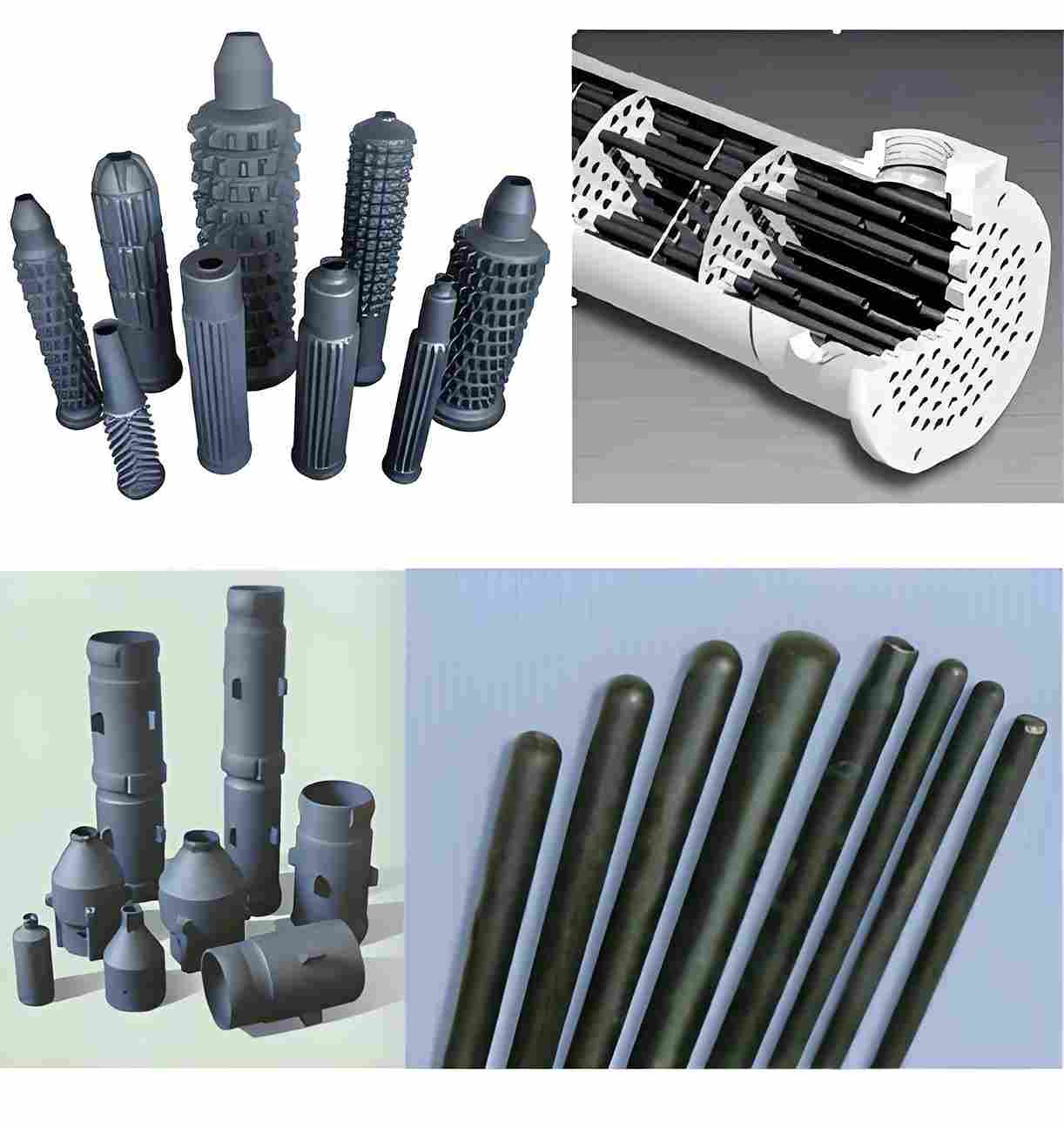
When a silicon carbide (SiC) pump seal suddenly cracks, production lines grind to a halt and the financial impact spikes – that’s why a disciplined maintenance routine is non‑negotiable.
Why SiC Pump Parts Need Special Care
SiC ceramics combine extreme hardness with high‑temperature stability, but those same qualities make them brittle under thermal shock and abrasive wear. In a chemical plant where temperatures can exceed 1400°C and the fluid is aggressively corrosive, a tiny micro‑crack can propagate within hours. Our field experience at ZIRSEC shows that 70% of premature failures trace back to three avoidable mistakes: improper cleaning, incorrect installation torque, and neglecting scheduled visual inspections.
Quick Summary (FAQ)
How often should SiC pump seals be inspected?
At a minimum after every 2,000 operating hours, or after any sudden temperature change.
Can I use standard lubricants on SiC components?
No. Only high‑temperature, chemically inert lubricants approved for ceramic surfaces should be applied.
What is the typical lifespan gain from proper maintenance?
Clients report 30‑45% longer service intervals when they follow the guidelines outlined below.
1. Pre‑Installation Checks
Verify Dimensional Tolerances
Our engineering team always measures the inner diameter of the pump housing and the outer diameter of the SiC seal ring with a calibrated micrometer. The acceptable variance for most high‑precision pumps is ±0.1 mm. A deviation beyond this range can cause uneven load distribution, accelerating wear.
Surface Cleanliness
Even a micron‑level contaminant acts as a stress concentrator. Use an ultrasonic bath filled with a neutral pH, high‑purity deionized water for 5 minutes, then blow‑dry with filtered nitrogen. Avoid abrasive wipes; they leave micro‑scratches that reduce the ceramic’s inherent hardness.
2. Correct Installation Practices
Torque Specifications
Over‑tightening the retaining bolts compresses the SiC seal beyond its elastic limit, while under‑torquing allows axial movement that creates fretting. Follow the manufacturer’s torque curve – for a typical 50 mm diameter SiC seal, 12 Nm is the sweet spot. Use a calibrated torque wrench and record the value in the maintenance log.
Thermal Pre‑Heat
When the pump will operate above 1000°C, pre‑heat the SiC component gradually (2‑3°C per minute) to match the housing temperature. This mitigates thermal shock, which is the leading cause of micro‑cracking during start‑up.
3. Routine Operational Monitoring
Temperature Mapping
Install a Type S thermocouple just behind the SiC seal. Real‑time data helps you spot hot spots caused by flow turbulence or fouling. A temperature rise of more than 50°C above the design set point should trigger an immediate shutdown and inspection.
Vibration Analysis
Even though SiC is not a rotating component, excessive vibration can cause the pump shaft to wobble, imposing uneven forces on the seal. A handheld accelerometer set to detect frequencies between 20‑200 Hz will catch early imbalance. Record trends; a 10% increase in vibration amplitude often precedes seal failure by 150‑200 operating hours.
4. Cleaning and Chemical Compatibility
Avoid Aggressive Acids
While SiC resists most acids, hydrofluoric acid (HF) attacks its surface, creating pits that dramatically lower wear resistance. Replace HF‑based cleaning agents with diluted phosphoric acid (≤5 %) or, better yet, a high‑temperature steam purge.
Periodic Mechanical Cleaning
For deposits that cannot be dissolved, use a low‑speed, non‑contact rotary brush made of PTFE‑coated polymer. The brush should not exceed 0.5 mm/sec surface speed to prevent surface gouging.
5. Scheduled Replacement and Re‑conditioning
Predictive Replacement Model
Based on the data we collect from over 300 pumps worldwide, we use a linear wear model: Wear = k × (hours) + c, where k varies with fluid aggressiveness. Plug in your operating hours and fluid type, and the model predicts the optimal replacement point, usually at 8,000‑10,000 hours for standard SiC seals in petrochemical service.
Re‑polishing Options
If a minor surface defect is detected and the part is still within dimensional tolerances, we offer a diamond‑slurry polishing service that restores surface roughness to Ra 0.8 µm. This can extend the part’s life by an additional 20‑30%.
6. Documentation and Traceability
Every SiC pump part that leaves the ZIRSEC factory carries a Certificate of Authenticity (CoA) and a unique batch number. Maintaining a digital log of batch numbers, inspection dates, torque values, and temperature logs makes root‑cause analysis far quicker when a failure does occur.
7. Training and Support
Our technical engineers conduct on‑site training for your maintenance crew. A two‑day workshop covers proper cleaning techniques, torque calibration, and reading vibration signatures. After the session, we provide a printed checklist that aligns with the SOPs you will embed in your plant’s maintenance management system.
8. Real‑World Case Study
A European pump manufacturer switched from a generic SiC supplier to ZIRSEC in 2022. Their baseline average downtime due to seal failure was 7 days per year. After implementing the maintenance protocol outlined above, downtime dropped to 2 days, saving roughly $120,000 annually. The key drivers were:
- Accurate dimensional verification reducing mis‑fit incidents.
- Thermal pre‑heat procedures that eliminated thermal‑shock cracks.
- Predictive replacement scheduling based on our wear model.
9. Frequently Overlooked Details
Seal Seating Orientation
SiC rings often have a slightly tapered face. Seating the ring with the taper facing the fluid flow direction reduces edge stress. Mark the correct orientation on the part during installation.
Environmental Storage
Store unused SiC components in a dry, temperature‑controlled cabinet (15‑25°C, < 5% RH). Moisture absorption can cause micro‑spalling when the part is later heated.
10. How ZIRSEC Helps You Stay Ahead
We keep a stock of standard‑size SiC seals for 24‑hour dispatch, and our custom‑machining line can deliver bespoke dimensions within 4‑6 weeks. Our engineering team works directly from your CAD drawings, running finite‑element simulations to verify stress distribution before the first prototype is machined. Throughout the lifecycle, we offer a full‑service package: order management, quality control, export documentation (MSDS, COA), and end‑to‑end logistics.
11. Action Plan for Your Facility
1. Conduct a baseline audit of all SiC pump parts within the next 30 days.
2. Align your maintenance crew with the torque and cleaning guidelines above.
3. Install temperature and vibration sensors on critical pumps.
4. Upload all inspection data to your CMMS and set alerts for the 2,000‑hour and 8,000‑hour milestones.
5. Contact ZIRSEC for a complimentary on‑site training session and request a quote for spare‑part inventory that matches your most critical pumps.
By turning these steps into a routine, you not only protect your capital equipment but also gain a measurable competitive edge. The cost of a well‑maintained SiC seal is far lower than the hidden cost of unplanned shutdowns.