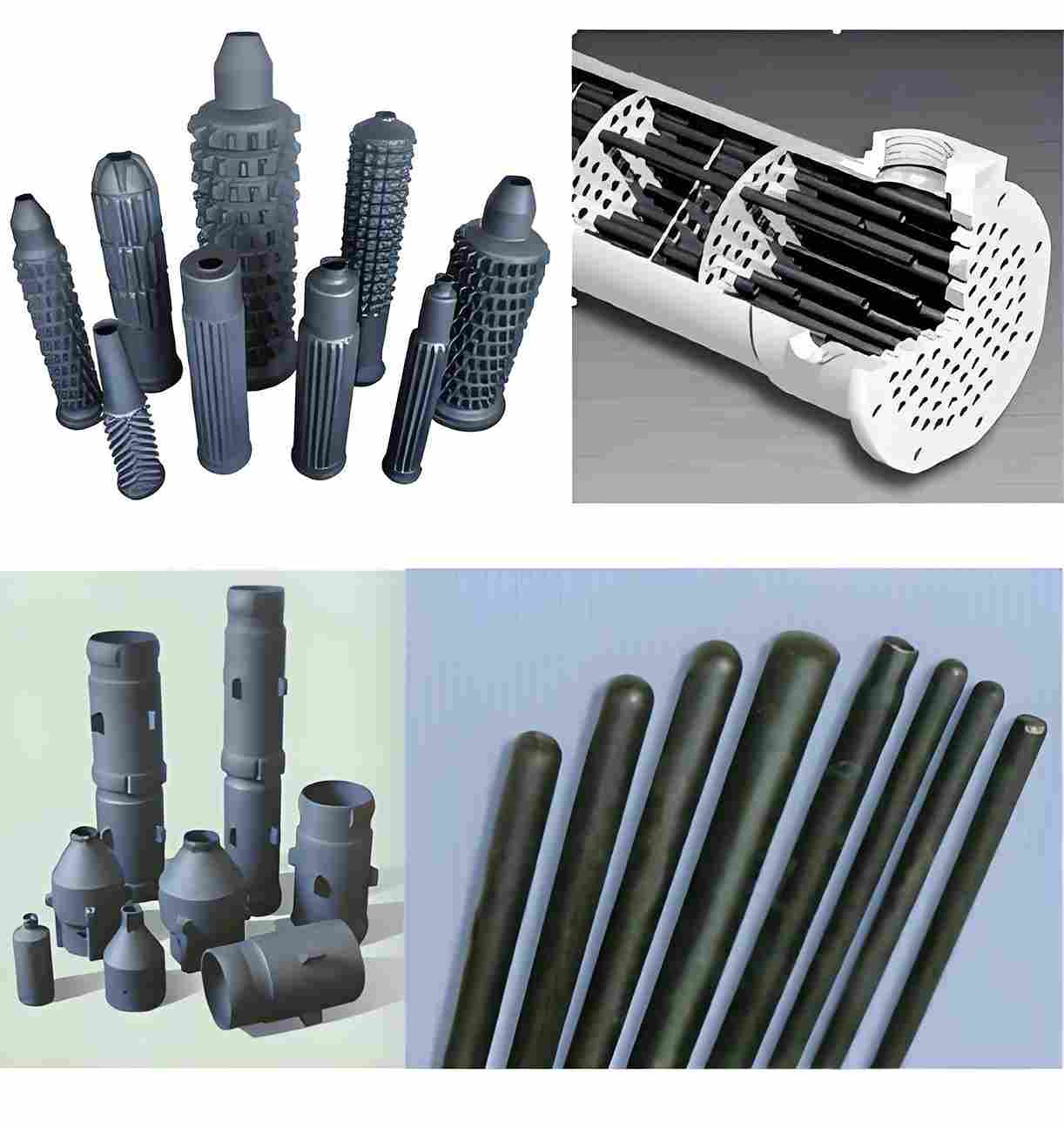
For manufacturers facing temperatures above 1300 °C and aggressive chemicals, the decision between buying a standard silicon carbide (SiC) component and commissioning a custom‑made part can determine whether a production line runs smoothly or stalls for weeks.
Quick Summary – What You Need to Know
Custom SiC parts: Tailored geometry, exact tolerances (±0.1 mm), longer lead time but eliminates redesign and scrap.
When to choose standard: High‑volume replacement of a proven geometry, budget‑sensitive projects, short‑run pilots.
When to choose custom: Non‑standard bore sizes, special surface finishes, integrated assemblies, or when you need to meet a critical performance spec that catalog parts cannot satisfy.
Why the Choice Matters for Your Bottom Line
In a European pump‑valve plant, a missing SiC seal ring forced an eight‑day shutdown, costing roughly $15,000 in lost production. The root cause was reliance on a single, out‑of‑stock standard size. By switching to a custom‑engineered seal ring that matched the exact bore and surface finish, the plant reduced downtime to under 24 hours during a future change‑over. The extra engineering fee ($1,200) was amortized over three years of uninterrupted operation, delivering a net saving of $12,000.
Standard SiC Parts – Strengths and Limitations
Inventory advantage
ZIRSEC maintains a stocked catalog of over 150 SiC components, ranging from 10 mm to 200 mm diameters. Typical lead time for in‑stock items is 24 hours, and the price per piece ranges from $10 for small rings to $80 for 150 mm tubes. For OEMs assembling thousands of units per month, this predictability streamlines procurement and cash‑flow planning.
When standard dimensions are a constraint
Standard tolerances sit at ±0.5 mm for most catalog items. In high‑precision valve seats, a 0.5 mm deviation can raise leakage rates by 30 % and trigger premature wear. If your application demands tighter control, a standard part may introduce re‑work costs that outweigh its lower purchase price.
Custom SiC Parts – When Tailoring Pays Off
Design flexibility
Customization starts at the drawing stage. ZIRSEC’s engineering team can accept PDFs, CAD files, or even a physical prototype. Typical customization options include:
- Non‑standard internal diameters (down to 4 mm, up to 350 mm)
- Complex cross‑sections such as L‑shaped channels or multi‑bore arrays
- Surface finishes from Ra 0.8 µm (polished) to Ra 5 µm (rough) for specific flow dynamics
- Integrated features such as flanges, threaded ends, or metal inserts for hybrid assemblies
For a German steel‑plant furnace, a custom SiC tube with a 12 mm internal bore and a 0.2 mm tolerance lowered heat loss by 15 % compared with the nearest standard size, translating into an annual energy saving of $45,000.
Cost structure
Custom tooling and trial runs add a one‑time expense of $800‑$2,000 depending on geometry complexity. Unit prices for custom parts typically fall in the $30‑$200 range, reflecting the additional processing steps (precision grinding, laser trimming, post‑sintering inspection). When the total order volume exceeds 200 pieces, the per‑unit cost often drops below that of a comparable standard part because ZIRSEC can amortize the setup cost across the batch.
Performance Comparison – Standard vs Custom
| Parameter | Standard SiC Part | Custom SiC Part |
|---|---|---|
| Lead time (average) | 1‑2 days (in‑stock) | 4‑8 weeks (design → production) |
| Tolerance | ±0.5 mm | ±0.1 mm (or tighter on request) |
| Surface finish | Ra 2‑3 µm | Ra 0.8‑5 µm, selectable |
| Price per unit (typical) | $10‑$80 | $30‑$200 |
| Temperature capability | ≤ 1500 °C (standard grade) | ≤ 1600 °C (high‑purity grade, optional) |
How to Decide – A Step‑by‑Step Checklist
- Define the critical dimensions. Measure the bore, wall thickness, and any mounting features. If any dimension falls outside the catalog range, custom is the only viable path.
- Identify tolerance sensitivity. Conduct a worst‑case analysis: will a ±0.5 mm deviation affect clearance, pressure drop, or thermal expansion? If yes, request custom tolerances.
- Assess surface‑finish impact. For fluid‑dynamic applications, run a CFD simulation with both rough and polished finishes. Choose the finish that meets performance targets without unnecessary cost.
- Estimate total ownership cost. Include unit price, engineering fees, lead‑time cost (e.g., equipment idle time), and potential scrap.
- Example: A 200‑piece order of a custom SiC nozzle costs $45,000 total versus $30,000 for a standard part plus $15,000 re‑work due to improper flow.
- Check inventory availability. If a standard part is in stock and meets your specs, order immediately to avoid delay.
- Validate supplier capabilities. Ask for recent QA reports, material certificates (≥ 98 % SiC purity), and references from similar industries.
Risk Mitigation Strategies
Regardless of the path you choose, the following safeguards reduce procurement risk:
- Material certification. Require a Certificate of Analysis (COA) confirming SiC purity, density, and thermal shock resistance.
- Dimensional inspection. Insist on a first‑article inspection (FAI) report with CMM data before full production release.
- Sample trial. For custom orders, request a pilot batch of 5‑10 pieces. Test them under real operating conditions; ZIRSEC offers a 30‑day performance guarantee.
- Logistics planning. Work with ZIRSEC’s supply‑chain team to arrange bonded freight and ensure customs documentation (MSDS, COA) is ready.
Real‑World Case Studies
Case 1 – High‑Temperature Furnace Lining
A US‑based metallurgy company needed a 250 mm diameter, 300 mm long SiC tube for a new electric arc furnace. The catalog offered a 240 mm tube, which would have required a costly redesign of the furnace shell. ZIRSEC produced a custom tube with a ±0.1 mm tolerance and a high‑purity grade capable of 1600 °C. Lead time was six weeks, but the project stayed on schedule because ZIRSEC provided a rapid CAD‑to‑prototype workflow. Total cost: $72,000 for 150 units, a 12 % premium over a standard tube, offset by a 20 % reduction in furnace operating fuel consumption.
Case 2 – Pump‑Valve Seal Ring Replacement
A German pump manufacturer faced frequent failures of standard SiC seal rings that were 10 % undersized for a new high‑pressure line. After a failure analysis, ZIRSEC supplied a custom seal ring with an exact 45.00 mm inner diameter and a polished Ra 0.9 µm surface. The new part survived 1.2 million cycles – a 45 % increase over the previous standard part. Unit price rose from $45 to $68, but the extended service life cut annual maintenance costs by $22,000.
Choosing ZIRSEC as Your Partner
Our 20‑year track record in SiC ceramic production means we can turn a CAD file into a certified, ready‑to‑install component within a single production cycle. Key differentiators include:
- 24‑hour dispatch of stocked standard parts – Silicon Carbide Tubes
- Dedicated engineering support that assists with drawing interpretation, material selection, and thermal‑stress analysis.
- Small‑batch custom capability – orders as low as 20 pieces, with a fast‑track prototype service.
- Full supply‑chain management: order tracking, quality control documentation, and door‑to‑door logistics.
Action Plan – What to Do Next
1. Gather your technical data. Draft a one‑page spec sheet listing dimensions, tolerances, surface finish, and operating temperature.
2. Contact ZIRSEC. Email info@zirsec.com with the spec sheet. Our engineers will schedule a 30‑minute video review to confirm feasibility.
3. Request a quotation and lead‑time estimate. We provide a detailed cost breakdown, including any tooling fees, so you can compare against standard‑part pricing.
4. Approve the first‑article sample. Once you receive the pilot batch, run a short‑duration performance test. Our team stands by to adjust geometry or finish within the same production run if needed.
5. Place the full order. With the design locked, we lock in pricing and schedule the batch for delivery, usually within 4‑8 weeks for custom parts.
By following this roadmap you eliminate guesswork, reduce downtime, and secure a component that truly matches your process requirements.
Bottom Line
If your application fits within the tight tolerances and standard sizes of ZIRSEC’s catalog, the 24‑hour delivery and lower unit cost make standard parts the logical choice. When performance, fit, or longevity hinges on dimensions, surface finishes, or special alloys that catalog items cannot provide, a custom SiC part – despite a higher upfront cost and longer lead time – delivers measurable savings in energy, maintenance, and production uptime. The right decision is data‑driven, not price‑driven, and ZIRSEC is equipped to support both paths with proven engineering expertise and a reliable supply chain.