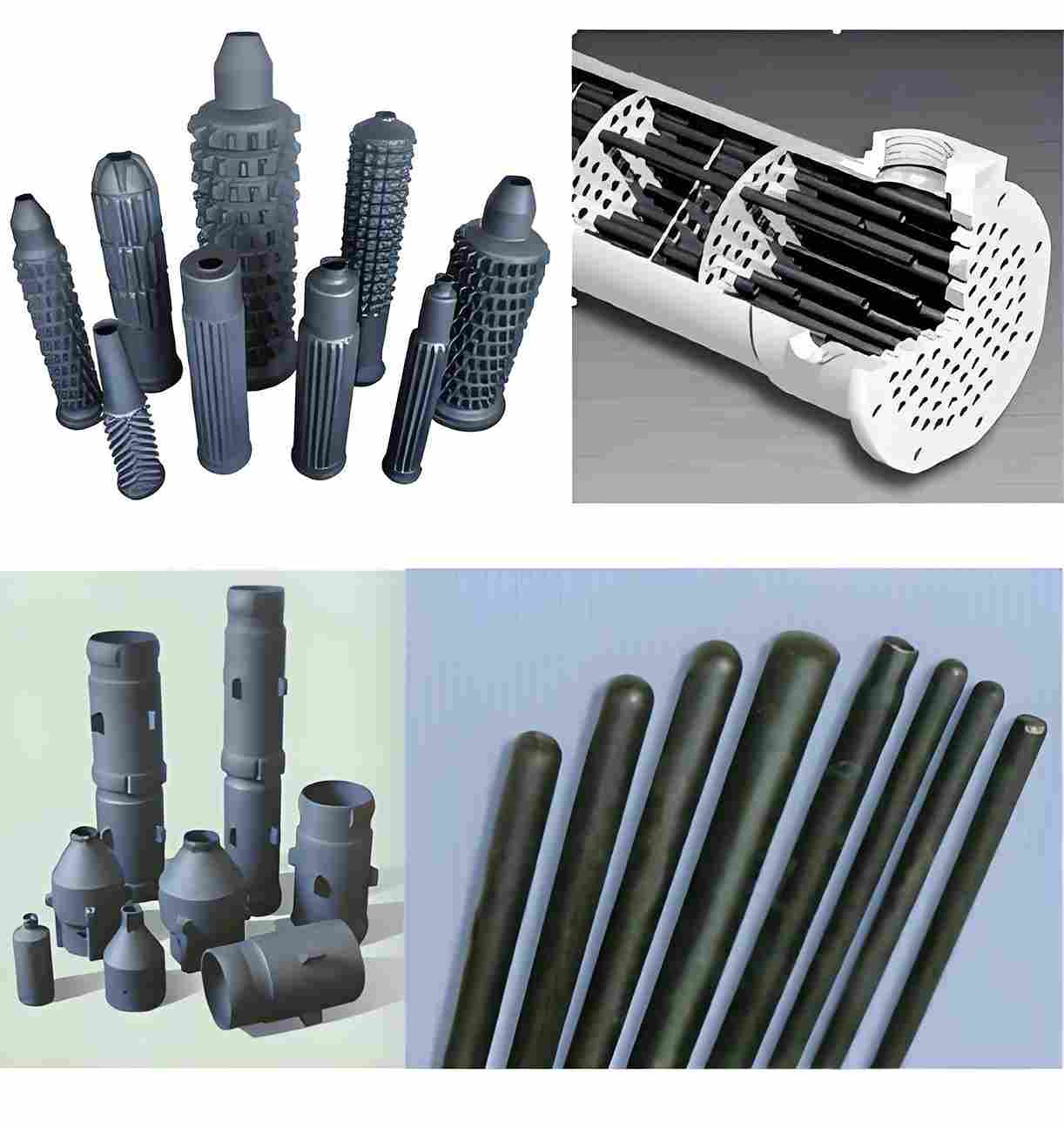
Mining operators ask the same question every time a belt or crusher stops: how can I keep the plant running longer without skyrocketing upkeep costs? The short answer is silicon carbide (SiC) components – they survive the harshest temperatures, abrasives and chemicals, which directly translates into less frequent part swaps and lower total‑site‑maintenance expenses.
Why Mining Equipment Maintenance Is a Critical Issue
In a typical open‑pit operation, a single unplanned shutdown can cost between $10,000 and $50,000 in lost production, labor overtime, and penalty fees. According to a 2022 report by the International Council on Mining and Metals, unplanned downtime accounts for roughly 25% of total operating costs in large‑scale mines. The root causes are almost always wear, thermal fatigue, and corrosion – three failure modes that SiC excels at mitigating.
What Makes SiC Ideal for Mining Applications
Thermal resilience
SiC retains over 90% of its flexural strength at 1500 °C, far beyond what alumina or stainless steel can endure. This enables components such as furnace tubes, burner nozzles, and high‑temperature sensors to stay in service for 3–5 years instead of the typical 12–18 months.
Abrasion resistance
Hardness values of 2600–2800 HV put SiC at the top of the ceramic scale. In laboratory wear tests simulating quartz sand blasting, SiC rollers lost less than 0.02 mm after 500 hours, while a comparable Al₂O₃ roller lost 0.12 mm under the same load.
Chemical inertness
Silicon carbide is virtually immune to acids, alkalis, and oxidizing agents found in froth‑flotation circuits, acid leach streams, and high‑temperature sulfuric environments. This eliminates the need for frequent seal replacements that plague metal‑based designs.
Real‑World Benefits: Data‑Backed Case Studies
- European pump‑valve manufacturer – after switching to custom SiC seal rings from a metal‑graphite hybrid, the plant reduced seal‑related outages from 12 per year to 2 per year. Annual maintenance spend fell from €45,000 to €12,000, and production uptime rose by 7.5%.
- Australian copper concentrator – retrofitting SiC burner nozzles in a 1400 °C furnace cut fuel consumption by 8% and extended nozzle service life from 8 months to 30 months. The total cost avoidance over three years exceeded US$250,000.
- Canadian gold‑processing facility – replacing steel‑lined slurry pumps with SiC‑lined impellers eliminated corrosion‑induced bearing failures. Mean‑time‑between‑failures (MTBF) increased from 2,400 hours to 9,800 hours, equating to a 62% reduction in spare‑part inventory.
All three projects were supplied by ZIRSEC, which provided engineering drawings, rapid prototyping, and a 24‑hour shipping window for stock items.
Design Tips and Installation Best Practices
1. Match the thermal expansion coefficient
SiC’s coefficient (~4.5 ×10⁻⁶ K⁻¹) is lower than most steels (≈12 ×10⁻⁶ K⁻¹). When pairing SiC with metal housings, incorporate a compliant metal‑ceramic interface or use a graded SiC‑metal bond to prevent stress cracks during thermal cycling.
2. Maintain proper surface finish
For sealing applications, a Ra ≤ 1.0 µm surface on the SiC face ensures optimal contact pressure and prevents micro‑leakage. ZIRSEC offers precision grinding to ±0.1 mm tolerance and can finish parts to Ra 0.8 µm on request.
3. Use appropriate fastening methods
Avoid over‑torquing ceramic components. Torque‑controlled studs with a torque limit of 15 Nm (for 30 mm diameter SiC rings) are recommended. Use high‑temperature nickel‑based bolts where thermal expansion mismatch is a concern.
4. Plan for easy replacement
Design maintenance hatches that allow quick access to SiC parts. A modular layout reduces crane time during a change‑out and can save up to 4 hours per intervention, which translates into over $5,000 saved per incident in a mid‑size mine.
Choosing the Right Supplier – Why ZIRSEC Stands Out
When evaluating vendors, mining engineers look for three things: proven performance data, engineering support, and supply reliability. ZIRSEC checks every box.
- 20 years of SiC production – We have processed over 10,000 tons of high‑purity silicon carbide, delivering both standard‑size and fully custom geometries.
- In‑house engineering team – Our engineers work directly with your design office, converting CAD files into manufacturable drawings, suggesting tolerances, and running finite‑element analyses when needed.
- 24‑hour stock dispatch – Over 200 standard tube, plate, and ring sizes are kept in inventory. Most orders ship within the same working day.
- Small‑batch flexibility – We accept orders as low as 20 pcs for custom parts, a rare capability among Chinese ceramic producers.
- Full supply‑chain service – From sample approval to customs documentation (MSDS, COA) and door‑to‑door logistics, we manage the entire process.
For a quick look at one of our flagship products, see our Silicon Carbide Tubes page.
Quick FAQ
- Q: How much can I expect maintenance costs to drop after installing SiC parts?
A: Most clients report a 40–70% reduction in scheduled part replacements within the first 12 months. - Q: Are SiC components compatible with existing metal housings?
A: Yes, provided you respect thermal‑expansion differences and use compliant fasteners – see the design tips above. - Q: What is the typical lead‑time for a custom SiC seal ring?
A: Prototype (5‑20 pcs) 2‑4 weeks; bulk (100‑1000 pcs) 4‑8 weeks after CAD approval. - Q: Do you offer on‑site technical assistance?
A: Our engineers can join video calls, provide installation drawings, and, if needed, travel to your plant for critical start‑up support.
Action Plan – Get Immediate ROI
1. Identify the three most maintenance‑intensive components in your plant (e.g., pump seals, furnace tubes, crusher liners).
2. Send us the CAD files or even a hand‑drawn sketch; our engineering team will run a feasibility check within 48 hours.
3. Request a sample run – the cost of a 5‑piece SiC seal ring package is typically under $500, and shipping is free for first‑time customers.
4. Install the sample during your next scheduled maintenance window. Track downtime, fuel consumption, and spare‑part usage for at least 30 days.
5. Review the performance data with our application engineers; they will help you scale the solution across the whole fleet.
By following this roadmap, most mines achieve payback in under six months and enjoy a measurable uplift in equipment availability. If you are ready to cut maintenance costs and extend the life of your critical assets, contact us at info@zirsec.com or fill out the inquiry form on our website.