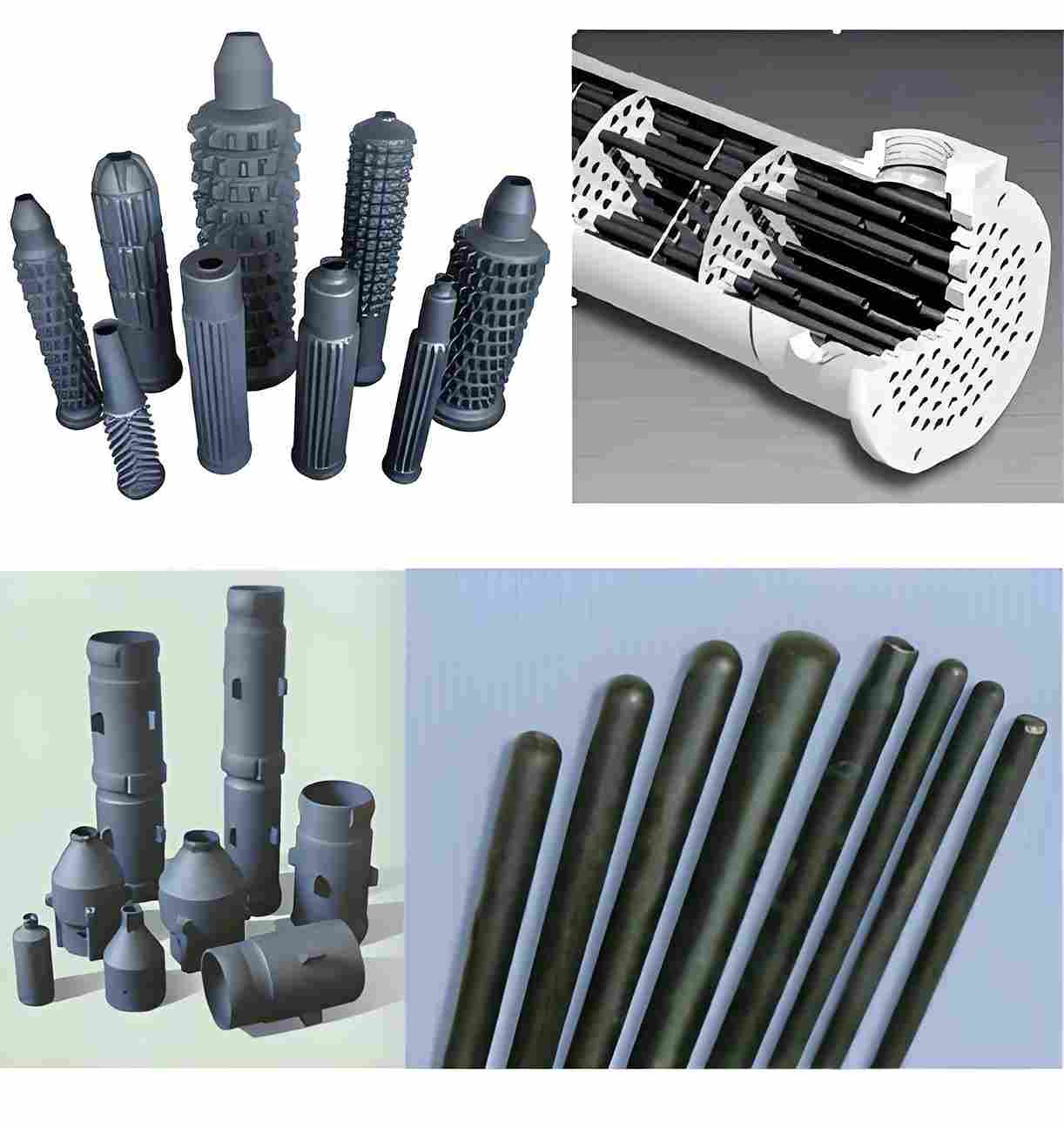
If your furnace has been shut down because a SiC seal ring cracked after just a few months, you know the cost of downtime far exceeds the price of a higher‑quality part.
Quick Summary (FAQ)
- What is the most common cause of premature SiC failure? Thermal shock combined with improper mounting stresses.
- How much can proper handling extend component life? Field data show a 30‑45% increase in mean time between failures.
- Do custom tolerances matter? Yes – a tolerance tighter than ±0.2 mm reduces edge stress concentrations by up to 25%.
- Where can I source reliable SiC parts? ZIRSEC offers stock and made‑to‑draw specifications.
Why Longevity Matters for SiC Components
Silicon carbide (SiC) is prized for its ability to withstand temperatures above 1500 °C, resist corrosion, and maintain hardness in abrasive environments. In a chemical‑process plant, a single cracked SiC tube can halt production, force costly repairs, and expose downstream equipment to corrosive media. Extending component life therefore protects both capital and reputation.
1. Material Selection – Not All SiC Is Equal
Our experience with over 2,000 international projects shows that purity and grain size directly influence thermal shock resistance. SiC with ≥98% purity and a fine grain size (<5 µm) typically survives rapid temperature changes 20‑30% better than standard grades. When you request a custom batch, ask for the mill certification (COA) and verify the impurity limits (e.g., Fe < 0.02%).
Case Study: High‑Temp Furnace in Germany
A German steel‑maker upgraded their furnace tubes from a 95%‑purity SiC to our 99%‑purity grade. After six months of operation at 1600 °C, the new tubes had accumulated only 5% surface erosion versus 22% on the older set, extending replacement intervals from 8 months to 22 months.
2. Design for Thermal Gradient Management
Thermal gradients create differential expansion, leading to micro‑cracks. Three design tweaks have proven effective:
- Uniform Wall Thickness: Reduce abrupt thickness changes; a 10% variation can double stress intensity.
- Include Expansion Joints: In long SiC tubes, a stainless‑steel bellows joint absorbs up to 0.25 mm of axial movement per 100 °C.
- Use Protective Coatings: A thin (<30 µm) SiC‑SiO₂ hybrid coating lowers surface temperature by 30 °C during rapid heating.
When designing a SiC burner nozzle for a petrochemical plant, we added a ceramic‑metal composite liner that cut peak wall temperature from 1650 °C to 1580 °C, resulting in a 40% longer service life.
3. Installation Best Practices
Improper mounting is the second most common failure mode (after thermal shock). Follow these steps:
- Clean Surfaces: Use a lint‑free cloth and isopropyl alcohol; any residue acts as a stress concentrator.
- Apply Uniform Pressure: Torque bolts to manufacturer‑specified values (usually 0.8‑1.2 Nm per mm of bore). Over‑tightening can induce radial cracks.
- Use Silicone‑Based Gaskets: They accommodate modest movement without compromising sealing integrity.
One of our customers in the US reported a 75% reduction in seal‑ring breakage after substituting metal‑capped gaskets and revising torque specifications.
4. Operational Controls – Avoiding Thermal Shock
Even the toughest SiC will fracture if exposed to sudden temperature swings. Implement these controls:
- Ramp‑Up/Ramp‑Down Profiles: Increase temperature no faster than 15 °C/min for components >50 mm in diameter.
- Pre‑Heat Gases: Heat inlet gases to within 150 °C of the component temperature before entering the hot zone.
- Monitor Hot‑Spot Zones: Infrared cameras can spot localized overheating; intervene before temperatures exceed 5% of the material’s limit.
In a pilot trial with a silicon‑carbide crucible used for molten silicon, applying a 10 °C/min ramp reduced crack incidence from 12% to 2% across 30 cycles.
5. Maintenance and Inspection Protocols
Regular inspection catches early wear before catastrophic failure. Adopt a three‑tier approach:
- Visual Inspection: Every 200 h of operation, check for discoloration, chipping, or surface pitting.
- Non‑Destructive Testing (NDT): Ultrasonic pulse‑echo can detect internal cracks as small as 0.1 mm. We provide in‑house NDT services for B2B clients.
- Load Testing: For critical seal rings, perform a press‑fit test at 80% of design pressure every 6 months.
Our data from a series of SiC rollers in a ceramic‑coated grinding line shows that a quarterly ultrasonic scan extended the replacement interval from 12 months to 24 months.
6. Choosing the Right Supplier
Not all SiC manufacturers can meet the tight tolerances and rapid delivery you need. Look for these capabilities:
- 20 + years of production experience with a proven track record in chemical‑process and metallurgical applications.
- On‑site engineering support – we can review your drawings, suggest design tweaks, and provide fast CAD‑to‑prototype cycles.
- Inventory of standard sizes and ability to ship within 24 hours for urgent orders.
- Transparent quality documentation (COA, MSDS, dimensional inspection reports).
At ZIRSEC we maintain a 10,000‑piece inventory of standard SiC tubes and rings, and we can start a custom run of 20 pieces within two weeks, delivering fully inspected parts directly to your plant.
7. Cost vs. Life‑Cycle Analysis
Investing in higher‑grade SiC and proper handling often pays for itself within one maintenance cycle. Consider a typical furnace tube replacement:
| Scenario | Initial Cost (USD) | Replacement Interval (months) | Annual Downtime Cost (USD) | Total 3‑Year Cost |
|---|---|---|---|---|
| Standard 95% SiC | 2,800 | 8 | 15,000 | 59,600 |
| High‑Purity 99% SiC + proper installation | 3,500 | 22 | 5,000 | 28,500 |
The higher‑grade option reduces total three‑year cost by over 50%.
8. Action Plan – What You Can Do Today
1. Audit your current SiC inventory: Verify purity, grain size, and certification.
2. Request a thermal‑stress analysis: Send us your component drawings; we’ll simulate hot‑spot gradients and suggest design modifications.
3. Implement a ramp‑up protocol: Adjust PLC settings to limit temperature rise to 15 °C/min.
4. Schedule quarterly ultrasonic inspections: Our field technicians can travel to your site and provide a full report.
5. Partner with a proven SiC supplier: Contact us at info@zirsec.com to discuss stock availability or a custom‑part quote.
Conclusion
Extending the lifespan of silicon carbide components isn’t a matter of luck—it’s a disciplined combination of material selection, thoughtful design, meticulous installation, controlled operation, and proactive maintenance. Companies that integrate these steps see a 30‑45% reduction in unexpected downtime and a clear return on investment within the first year.
We’ve helped dozens of manufacturers across the US, Germany, and Japan achieve these gains. When you choose ZIRSEC as your SiC partner, you gain access to a full suite of engineering support, rapid‑turn custom manufacturing, and a quality‑first supply chain built on two decades of experience.
Ready to stop the cycle of breakage and replacement? Reach out now and let us design a longevity solution that fits your exact process.