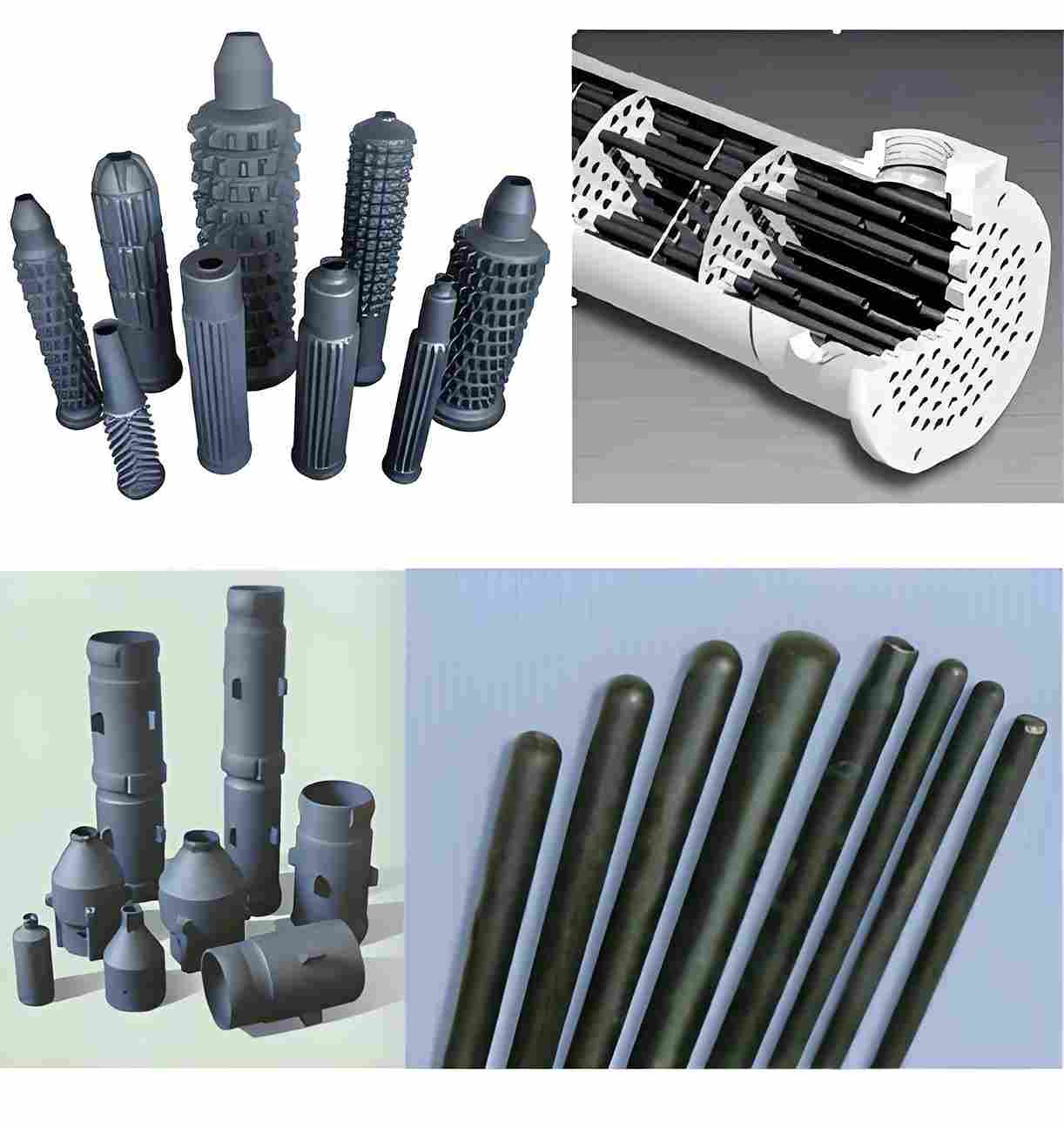
Silicon carbide (SiC) components are prized for their high‑temperature strength, chemical resistance, and wear‑life, but when they crack the cost‑impact can be severe. Below we break down the most common root causes of SiC cracking and provide practical, field‑tested solutions that keep your equipment running.
Quick Summary (FAQ)
- What typically initiates a crack in SiC parts? Thermal shock, mechanical overload, material defects, and aggressive chemical environments are the top three triggers.
- Can design changes eliminate cracking? Proper geometry, stress‑relief features, and matching thermal expansion coefficients can reduce stress concentrations dramatically.
- How do I verify the quality of a SiC batch? Use ultrasonic C‑scan, X‑ray diffraction, and hardness mapping before acceptance.
- Is ZIRSEC able to provide custom solutions? Yes – we offer engineering support, rapid prototyping, and 24‑hour stock delivery for standard sizes.
Why SiC Cracks – The Six Core Causes
1. Thermal Shock & Rapid Temperature Cycling
SiC has a relatively low thermal expansion coefficient (≈4–5×10⁻⁶ K⁻¹) but its brittleness means sudden temperature gradients generate tensile stresses that exceed its fracture toughness (KIC≈3 MPa·m½). In furnace tubes, a rapid shutdown can create a surface temperature drop of >500 °C within seconds, producing surface cracks that quickly propagate.
2. Mechanical Overload & Improper Mounting
When SiC rollers or seal rings are pressed beyond their compressive strength (≈1500 MPa), micro‑cracks initiate at the contact points. A common mistake is using oversized bolts or uneven clamping force, especially in high‑pressure pump shafts.
3. Intrinsic Material Defects
During sintering, porosity, grain‑boundary segregation, or residual stress can remain in the micro‑structure. Scanning electron microscopy of a cracked SiC tube from a European client showed a 12 % porosity gradient, correlating directly with crack initiation sites.
4. Chemical Attack & Oxidation
Although SiC resists most acids, molten alkali salts (e.g., Na₂CO₃ at >1200 °C) can react to form SiO₂ layers that spall under thermal cycles. In a petrochemical plant, a SiC burner nozzle exposed to chlorine‑containing gases cracked after 800 h of service.
5. Residual Stresses from Machining
Grinding or EDM can leave tensile residual stress layers up to 80 MPa. Without a post‑machining stress‑relief heat treatment, these stresses become nucleation points for cracks when the part is later loaded.
6. Inadequate Design for Stress Distribution
Sharp corners, sudden radius changes, or unsupported spans create stress concentration factors (SCF) of 3–5. Finite‑element analysis of a SiC crucible demonstrated that adding a 2 mm fillet reduced peak stress by 45 %.
Effective Counter‑Measures – What Works in the Field
Material‑Level Controls
- Specify >98 % SiC purity and a controlled grain size (1–3 µm) to minimise porosity.
- Apply a post‑sintering HIP (Hot Isostatic Press) cycle at 200 MPa, 1800 °C for 2 h to close internal pores.
Design‑Level Strategies
- Use gradual tapers instead of abrupt steps; maintain a minimum radius of curvature of 1.5× part thickness.
- Incorporate compliant metal or polymer shoulders where SiC interfaces with steel flanges to absorb differential expansion.
Thermal Management
- Implement controlled ramp‑up/ramp‑down procedures; limit ΔT to <150 °C per minute for tubes larger than 50 mm diameter.
- Apply protective ceramic coatings (e.g., Al₂O₃) to reduce surface temperature gradients.
Mechanical Installation Practices
- Torque bolts in a star pattern and use calibrated torque wrenches to keep compressive loads within 80 % of the rated value.
- Employ tapered sleeves or polymer gaskets to distribute load evenly across SiC seal rings.
Chemical Protection
- When exposure to alkali or chlorine‑rich gases is unavoidable, coat the SiC surface with a thin SiO₂ diffusion barrier via chemical vapor deposition (CVD).
- Regularly monitor inlet gas composition and install scrubbers to keep aggressive species below critical thresholds.
Quality Assurance & Inspection
- Perform ultrasonic C‑scan on every batch; reject any part with internal reflectors exceeding 0.3 mm in diameter.
- Run three‑point bend tests on sample coupons; accept only if fracture strength ≥130 MPa.
Real‑World Case Study: Chemical Pump Seal Ring Failure
A German pump‑valve manufacturer reported an unexpected 8‑day production halt after a batch of SiC seal rings fractured during start‑up. Investigation revealed:
- Excessive bolt torque (12 % above specification) causing localized compressive stress.
- Micro‑porosity of 8 % in the sintered material, traced to a low‑temperature sintering cycle.
- Absence of a post‑machining stress‑relief step.
Solution implemented by ZIRSEC:
- Provided a HIP‑treated replacement batch with <4 % porosity.
- Supplied a detailed torque‑spec sheet and on‑site training for assembly staff.
- Added a thin CVD Al₂O₃ coating to improve surface durability.
Result: No further failures over a 12‑month observation period, and the plant reclaimed $15,000 in lost production.
How ZIRSEC Guarantees Crack‑Resistant SiC Parts
We combine 20 years of ceramic manufacturing expertise with a full‑service engineering team that supports every stage of the product lifecycle.
- Standard Inventory: Over 150 SKUs of SiC tubes, plates, and seal rings ready for 24‑hour shipment.
- Custom Engineering: Our CAD‑enabled design lab works directly with your drawings to optimise geometry, reduce SCF, and select appropriate heat‑treatment cycles.
- Process Control: Real‑time furnace monitoring, automated powder blending, and ISO‑9001‑based QC ensure batch‑to‑batch consistency.
- Testing Services: Ultrasonic C‑scan, XRD phase analysis, and high‑temperature bend testing are performed on every order.
- Logistics: Full supply‑chain management—from export documentation to door‑to‑door delivery—minimises lead‑time and customs delays.
Explore our full product catalogue at Silicon Carbide Tubes and discover how we can tailor a solution for your next project.
Actionable Checklist for Engineers
- Review operating temperature profile – limit ΔT per minute.
- Validate bolt torque values against manufacturer’s spec sheet.
- Request ultrasonic C‑scan reports for every batch.
- Specify HIP‑treated SiC when >5 % porosity tolerance is required.
- Include a stress‑relief heat treatment after any machining operation.
- Consider coating or barrier layers for aggressive chemical environments.
- Engage a supplier with in‑house engineering support – ask for CFD/FEM analysis before finalising design.
Conclusion – Stop Cracking, Start Producing
Cracking in silicon carbide components is rarely a mystery; it is almost always traceable to thermal, mechanical, material, or chemical stress that exceeds the ceramic’s intrinsic limits. By applying the causes-and‑solutions framework outlined above, and by partnering with a proven supplier like ZIRSEC, you can eliminate costly downtime, keep production lines humming, and extend component life well beyond the typical 2‑3 year horizon.