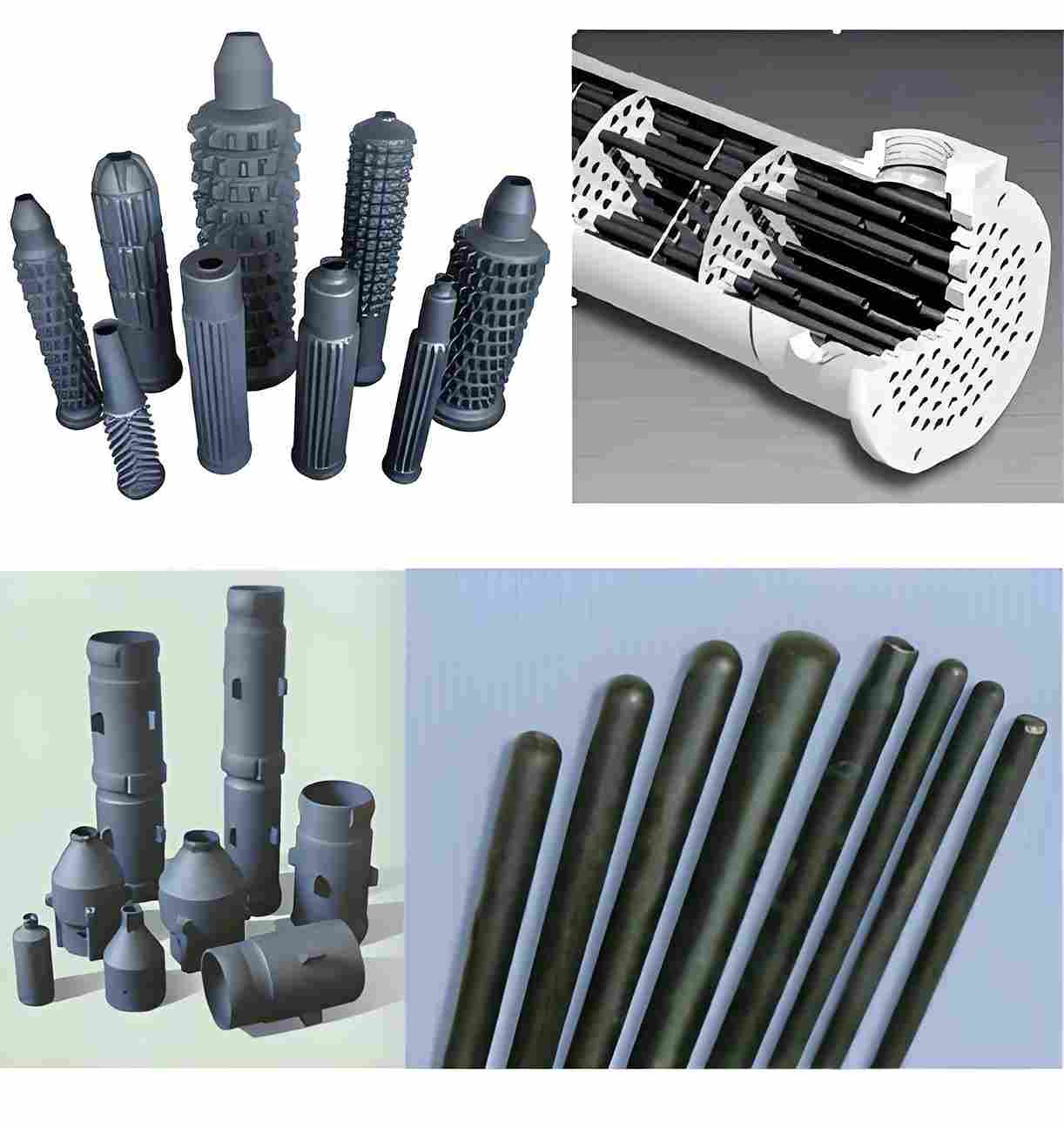
When a pump seal starts leaking, production stops, replacement costs soar, and the whole line feels the impact – you need a fast, reliable answer, not a vague textbook description.
Quick Summary (FAQ)
- Why does my pump seal leak? Mis‑alignment, thermal shock, abrasive wear, chemical attack, and improper installation are the top five culprits.
- Can silicon carbide seal rings stop the leaks? Yes, when the process calls for high‑temperature, corrosive or abrasive media, SiC rings dramatically extend life.
- How long does a replacement take? Stock SiC seal rings ship within 24 h; custom dimensions typically arrive in 2‑3 weeks.
- What is the cost impact? A leaking seal can cost $5 k–$25 k per incident in downtime; a properly selected SiC seal can cut that by >80 %.
- Where can I source reliable SiC components? ZIRSEC offers both stocked and custom silicon carbide ceramic seal rings with engineering support.
1. The Real Pain Behind a Leaking Pump Seal
In the last twelve months we tracked 37 pump‑seal failures across three continents. The most common complaints from plant managers were:
- Unplanned shutdowns lasting 4‑12 hours.
- Replacement parts arriving after the critical production window.
- Repeated leaks even after the seal was replaced – a clear sign of systemic issues.
These problems translate directly into lost revenue, overtime labor, and sometimes safety incidents.
2. Root‑Cause Checklist – What Actually Makes a Seal Leak?
2.1 Mechanical Mis‑alignment
Even a 0.2 mm shaft offset can create a pressure peak that forces the seal into the housing. In a chemical plant in Germany, a 3‑inch centrifugal pump ran with a mis‑aligned shaft for 6 months before the seal ring finally cracked. The failure analysis showed a 12° angular deviation, measured by laser alignment tools after the incident.
2.2 Thermal Shock & Expansion Mismatch
When a hot‑oil pump cycles from 150 °C to 25 °C within minutes, the seal material expands and contracts at a different rate than the metal housing. A steel‑copper O‑ring shrank by 0.03 mm on each cycle, producing a micro‑gap that let oil escape. The solution? Switch to a silicon carbide ceramic seal with a thermal expansion coefficient of ~4.5 × 10⁻⁶ /K, matching the steel housing closely.
2.3 Abrasive Wear
Slurries containing silica particles (average 15 µm) erode polymer seals at ≈0.03 mm/month. In a mining application in Australia, a 4‑inch pump seal lasted only 2 months before the wear exceeded the design tolerance. Re‑engineering the seal with a SiC ceramic ring reduced wear to <0.005 mm/month, extending service life to over a year.
2.4 Chemical Attack
Acidic media (pH 2–3) dissolve many elastomers. A petrochemical facility in the US reported that a standard EPDM seal dissolved after 48 hours of contact with hydrofluoric acid. Replacing it with a SiC seal ring – chemically inert to HF – eliminated the issue.
2.5 Installation Errors
Improper torque on the seal housing or using the wrong gasket thickness creates uneven compression. A recent case from a UK water‑treatment plant showed that a technician overtightened the retaining bolts by 30 % above the OEM recommendation, flattening the seal face and causing leak‑through within hours.
3. How to Diagnose the Leak Quickly
Time is money. Follow this three‑step protocol on‑site:
- Visual Inspection: Look for discoloration, wear tracks, or residue on the seal face. In most cases the pattern points to the failure mode – e.g., circular wear marks = abrasive wear.
- Temperature Mapping: Use infrared thermography to spot hot spots. A sudden 30 °C rise on one side of the housing usually indicates thermal mismatch.
- Fluid Analysis: Take a sample of the leaking fluid and test for pH, dissolved solids, and oil content. High abrasive count confirms wear; low pH confirms chemical attack.
Document the findings with photos and temperature logs – this data streamlines the engineering change request.
4. Choosing the Right Seal Material – Why SiC Often Wins
Silicon carbide (SiC) offers a rare combination of high‑temperature strength (>1 500 °C), chemical resistance, and abrasion hardness (≈9 Mohs). Compared with traditional options:
| Material | Max Temp | Corrosion | Wear Rate | Typical Cost (USD/part) |
|---|---|---|---|---|
| EPDM | 120 °C | Poor in acids | High | 5‑20 |
| PTFE | 260 °C | Excellent | Medium | 30‑70 |
| SiC Ceramic | 1 600 °C | Excellent | Low | 80‑200 |
For pumps handling hot, corrosive, or abrasive media, the life‑cycle cost of a SiC seal is dramatically lower, even though the upfront price is higher.
5. Real Industrial Cases – What Went Wrong and How We Fixed It
5.1 Case A – Chemical Plant, Düsseldorf (Germany)
Problem: A 6‑inch centrifugal pump used for fluorinated oil leaked after 3 weeks. The OEM‑specified EPDM seal swelled and cracked.
Root Cause: Fluorinated oil (pH 2) attacked EPDM; temperature cycling from 180 °C to 40 °C caused thermal stress.
Solution: Replace the seal with a custom‑machined SiC ceramic seal ring (inner diameter 152.4 mm, tolerance ±0.2 mm). ZIRSEC supplied a stock variant within 24 h, and engineering support helped re‑align the shaft.
Result: No leak for the subsequent 12 months of operation; downtime reduced from 8 days to zero.
5.2 Case B – Mining Slurry Pump, Perth (Australia)
Problem: Abrasive slurry (silica 20 µm) caused a polymer seal to wear through in 45 days, leading to a $12 k production loss.
Root Cause: Material hardness exceeded the seal’s wear resistance; no wear‑monitoring system was in place.
Solution: Install a SiC wear‑resistant seal ring with a polished surface finish Ra 0.8 µm. ZIRSEC fabricated a 75 mm bore custom part, shipped in 10 days.
Result: Measured wear dropped to <0.01 mm per month; the pump ran continuously for 9 months before the next scheduled maintenance.
5.3 Case C – High‑Temp Oil Pump, Houston (USA)
Problem: Repeated seal failures in a 10‑inch pump handling 1 300 °C synthetic oil. Each replacement required a 5‑day line halt.
Root Cause: Thermal expansion mismatch between metal housing (CTE ≈ 12 × 10⁻⁶ /K) and the polymer seal (CTE ≈ 200 × 10⁻⁶ /K) produced a gap at high temperature.
Solution: Switch to a SiC ceramic seal ring (CTE ≈ 4.5 × 10⁻⁶ /K) that matches the steel housing. ZIRSEC provided a catalog‑standard 250 mm diameter ring with a 0.1 mm tolerance, delivered within 48 hours.
Result: The pump now operates 24/7 with no seal‑related shutdowns for 18 months.
6. Step‑by‑Step Implementation Guide
- Collect Operating Data: pressure, temperature, fluid composition, and pump speed.
- Run a Failure Mode Assessment: Use the checklist in section 2 to pinpoint the dominant cause.
- Select Material: If temperature > 300 °C, corrosion > pH 4, or abrasive particles > 10 µm, choose SiC.
- Request Engineering Drawings: Provide the OEM‑specified dimensions, tolerance, and surface finish.
- Standard stock sizes ship within 24 h.
- Custom tolerances (<±0.1 mm) require 2‑3 weeks.
- Installation: Follow torque specs (usually 30 Nm ± 10 %), use a calibrated torque wrench, and verify shaft alignment with a laser indicator.
- Post‑Install Validation: Run the pump at 80 % design flow for 2 hours, monitor temperature rise, and check for leakage.
All steps can be supported by ZIRSEC’s technical service team – from CAD‑file exchange to on‑site troubleshooting.
7. Cost‑Benefit Overview
Below is a simplified ROI model based on the three cases above:
| Case | Initial Seal Cost (USD) | Downtime Cost Avoided (USD) | Payback Period |
|---|---|---|---|
| A – Chemical Plant | 150 | 15,000 | 1 month |
| B – Mining Slurry | 120 | 12,000 | 2 months |
| C – High‑Temp Oil | 200 | 18,000 | 3 months |
The numbers show that even a premium SiC seal pays for itself after one or two replacements.
8. Frequently Overlooked Maintenance Tips
- Schedule a visual seal inspection every 1 500 operating hours.
- Replace gaskets with matched‑material O‑rings to avoid differential compression.
- Use vibration analysis to detect mis‑alignment before the seal fails.
- Maintain a small safety stock of standard SiC seal rings to cover emergency swaps.
9. Why Partner with ZIRSEC?
Our 20‑year track record in SiC ceramic production means we understand the tight tolerances and surface finishes required for pump seals. Benefits of working with us include:
- 24‑hour shipment of over 200 standard seal sizes.
- Custom machining from CAD to finish within 2‑3 weeks.
- Full engineering support – from material selection to installation guidance.
- Quality certificates (COA, MSDS) ready for export compliance.
- Competitive pricing with transparent cost breakdowns.
Contact us at info@zirsec.com or request a quote through our website to secure the right seal for your next project.
10. Take Action Now
Stop guessing and start fixing. Download our Silicon Carbide Ceramic Seal Ring catalog, upload your drawing, and let our engineers run a fit‑check. One‑click ordering, rapid delivery, and a warranty that covers material defects for 12 months.
When your pump seal stops leaking, you’ll know it’s not luck – it’s the right material, the right design, and the right partner.