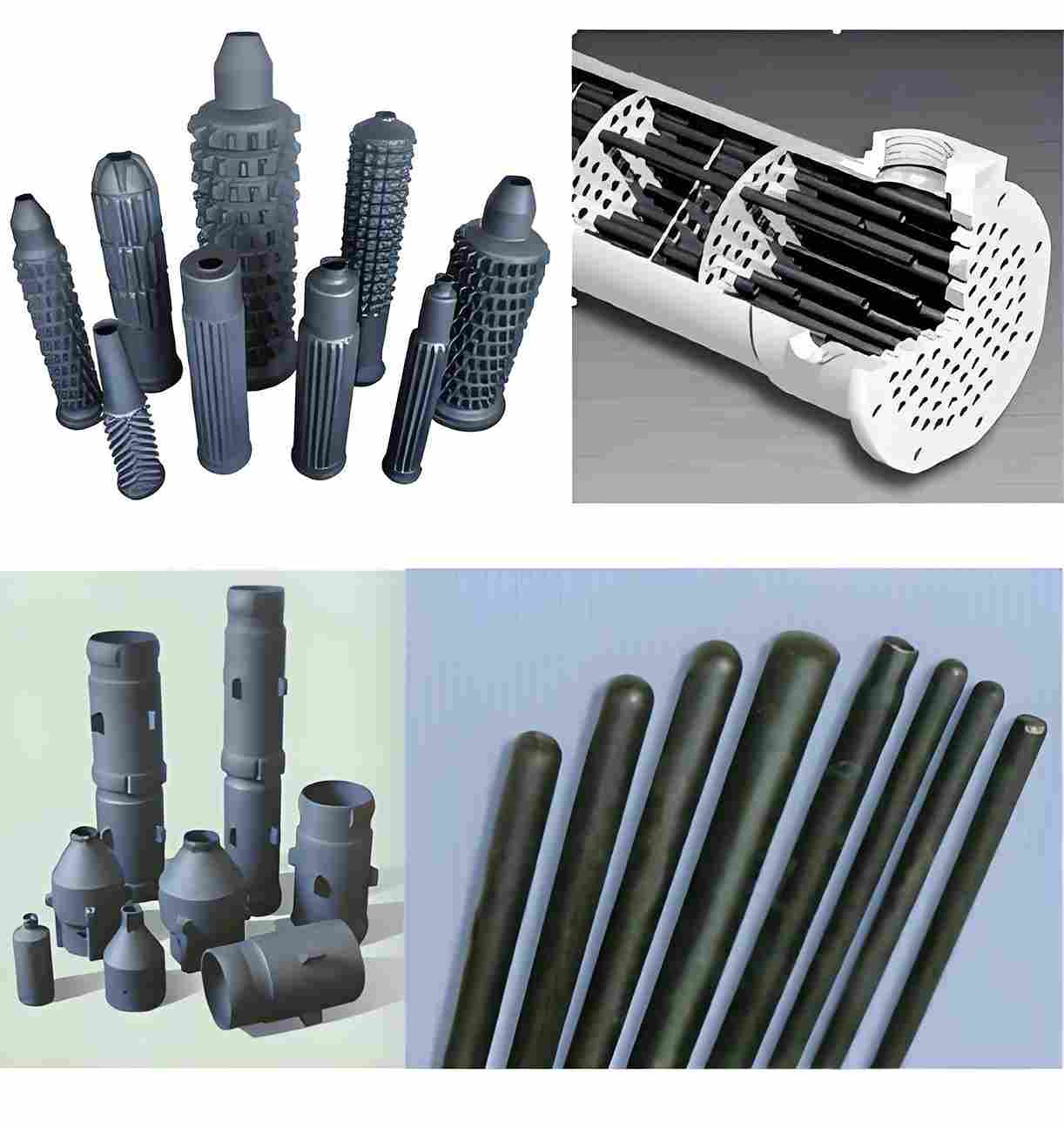
Best Practices for Installing Silicon Carbide Bearings and Bushings start with understanding why these ceramic components outperform metal alternatives in high‑temperature, corrosive environments.
Why Silicon Carbide Bearings and Bushings Matter
Silicon carbide (SiC) offers a unique blend of hardness, thermal stability (up to 1,600 °C), and chemical resistance. In pumps, spindles, semiconductor furnaces, and petrochemical gearboxes, a single bearing failure can halt production for days and cost tens of thousands of dollars. The right installation protocol eliminates premature wear, prevents micro‑cracking, and maximizes the life‑cycle ROI.
Quick Summary – FAQ
What tools are essential for a flawless SiC bearing install?
Precision torque wrenches, calibrated dial gauges, ceramic‑compatible cleaning solvents, and a low‑force press or hydraulic puller.
How tight should the bearing preload be?
Typically 0.02–0.05 mm radial clearance at operating temperature, which translates to a 5‑10 % of the bearing’s static load rating.
Can I reuse a SiC bushing after removal?
Only after a thorough visual inspection and surface roughness check (Ra ≤ 1.0 µm). Re‑use is rarely recommended for critical applications.
What are the common failure signs?
Excessive vibration, sudden temperature spikes, audible grinding, or visual surface chips during routine checks.
Pre‑Installation Planning
1. Review Engineering Drawings and Tolerances
SiC parts are usually supplied to ±0.2 mm tolerance for standard sizes, but high‑precision orders can be tightened to ±0.1 mm. Verify the drawing’s datum points, radial runout limits, and surface finish specifications. Discrepancies at this stage are the most expensive to fix later.
2. Confirm Material Compatibility
Check that the housing material (often stainless steel, Inconel, or high‑strength alloy) does not induce galvanic corrosion or excessive thermal expansion mismatch. The coefficient of thermal expansion for SiC (≈4.5 ×10⁻⁶ /K) is lower than most metals, so a compliant sleeve or lock‑ring is advisable.
3. Gather the Right Tools
Key tools include:
- Digital torque wrench (0‑50 Nm range, accuracy ±1 %)
- Dial indicator with 0‑0.5 mm range
- Low‑force hydraulic press (max 10 ton) for embedding bushings
- Isopropyl‑based cleaning solvent (ceramic‑safe)
- Non‑abrasive lint‑free wipes
4. Prepare the Work Area
Temperature should be stable (20‑25 °C) and humidity below 60 %. Dust‑free conditions prevent particle contamination, which can act as stress concentrators in brittle SiC surfaces.
Step‑by‑Step Installation Procedure
Step 1 – Clean All Components
Wipe the bearing inner race, outer race, and housing bore with a solvent‑damped lint‑free cloth. Allow the solvent to evaporate fully. Any residual oil or metal shavings will generate micro‑cracks during the first heat‑up.
Step 2 – Inspect for Damage
Use a magnifying lamp (10‑×) to look for chips, edge chipping, or surface discoloration. Measure the bore diameter with a calibrated bore gauge; it must be within the specified ±0.2 mm tolerance. Document findings before proceeding.
Step 3 – Apply a Compatible Lubricant (If Required)
Most SiC bearings operate dry, but certain high‑speed spindle applications benefit from a thin layer of high‑temperature solid lubricant (e.g., MoS₂ coating). Apply with a micro‑brush; excess lubricant can attract debris.
Step 4 – Position the Bearing or Bushing
For a press‑fit bushing, use the hydraulic press to bring the component within 0.02 mm of the final position. For a bearing, align the inner race with the shaft journal and the outer race with the housing bore. A mis‑alignment of more than 0.05 mm can lead to uneven load distribution.
Step 5 – Set Preload and Torque
Refer to the manufacturer’s preload chart. Typically, a torque of 3‑5 Nm on the lock‑nut (M8‑M10) achieves the desired clearance for a 20 mm bore bearing. Use the torque wrench in a clockwise‑then‑counter‑clockwise sequence to settle the bearing evenly.
Step 6 – Verify Runout and Axial Play
Mount a dial indicator against the outer race and rotate the shaft 360°. Runout should not exceed 0.03 mm. Check axial play with a feeler gauge; it must be within the spec (usually 0.01‑0.03 mm). If values exceed limits, loosen the lock‑nut and repeat Steps 4‑5.
Step 7 – Conduct a Thermal Shock Test
Heat the assembly to 80 % of its maximum operating temperature (e.g., 1200 °C for a 1500 °C rated part) using a controlled furnace. Hold for 30 minutes, then allow a slow cooldown (≤5 °C/min). Inspect for cracks after the cycle; none should be present.
Post‑Installation Validation
After the thermal test, run the equipment at 10‑20 % of rated speed for 1 hour while monitoring vibration (using a portable accelerometer). The RMS vibration level should stay below 0.5 mm/s. Record the data in the equipment maintenance log.
Common Pitfalls and How to Avoid Them
- Using metal‑based grease: Silicon carbide is chemically inert, but metal‑based greases can create conductive paths leading to corrosion. Stick to ceramic‑compatible lubricants.
- Excessive press force: Over‑pressing a bushing can induce micro‑cracks that develop under cyclic loads. Follow the recommended press‑fit pressure (typically 0.5 MPa for 30 mm bore).
- Neglecting thermal expansion: Ignoring the CTE mismatch can cause bearing seizure at high temperature. Use a compliant sleeve or a ceramic‑metal hybrid lock‑ring.
- Improper cleaning: Residual oil leads to hot‑spot formation. Verify visual cleanliness before assembly.
Maintenance Recommendations
Even the most robust SiC bearings need periodic checks. Schedule visual inspections every 6 months, and a full runout measurement annually. Replace any bearing that shows surface pitting greater than 0.05 mm, as this is a precursor to catastrophic failure.
Case Study – Reducing Downtime for a European Pump Manufacturer
Our client, a pump‑valve OEM in Germany, experienced an 8‑day production halt when a standard steel bearing fractured under high‑temperature oil. After switching to a custom SiC bearing from ZIRSEC and following the above installation protocol, the plant reported zero unplanned downtime over a 12‑month period. The bearing’s life exceeded the original estimate by 250 %, saving the client approximately $120,000 in labor and lost production costs.
Why Choose ZIRSEC for Your SiC Bearings and Bushings
ZIRSEC combines two decades of SiC ceramic expertise with a global B2B logistics network. We provide:
- In‑stock standard sizes for same‑day shipping.
- Full‑scale custom machining from CAD to finished part, with tolerances down to ±0.1 mm.
- On‑site engineering support, including installation drawings and torque‑spec recommendations.
- Comprehensive quality documentation (COA, MSDS, third‑party test reports).
- Fast international freight handling, with door‑to‑door service for North America and Europe.
Explore our range of high‑performance SiC components, such as Silicon Carbide Tubes, which complement bearings in high‑temperature fluid transport systems.
Bottom‑Line Checklist Before Power‑Up
- All components cleaned and inspected.
- Correct torque applied to lock‑nuts.
- Runout and axial play within spec.
- Thermal shock test completed without cracks.
- Initial low‑speed run verified low vibration.
- Maintenance log updated with test data.
Follow this checklist on every installation and you’ll achieve the reliability that high‑temperature, high‑wear environments demand.
Take the Next Step
Ready to upgrade your equipment with SiC bearings that deliver unmatched durability? Contact ZIRSEC at info@zirsec.com for a free technical consultation, CAD‑review, and a quoted lead time that aligns with your project schedule.