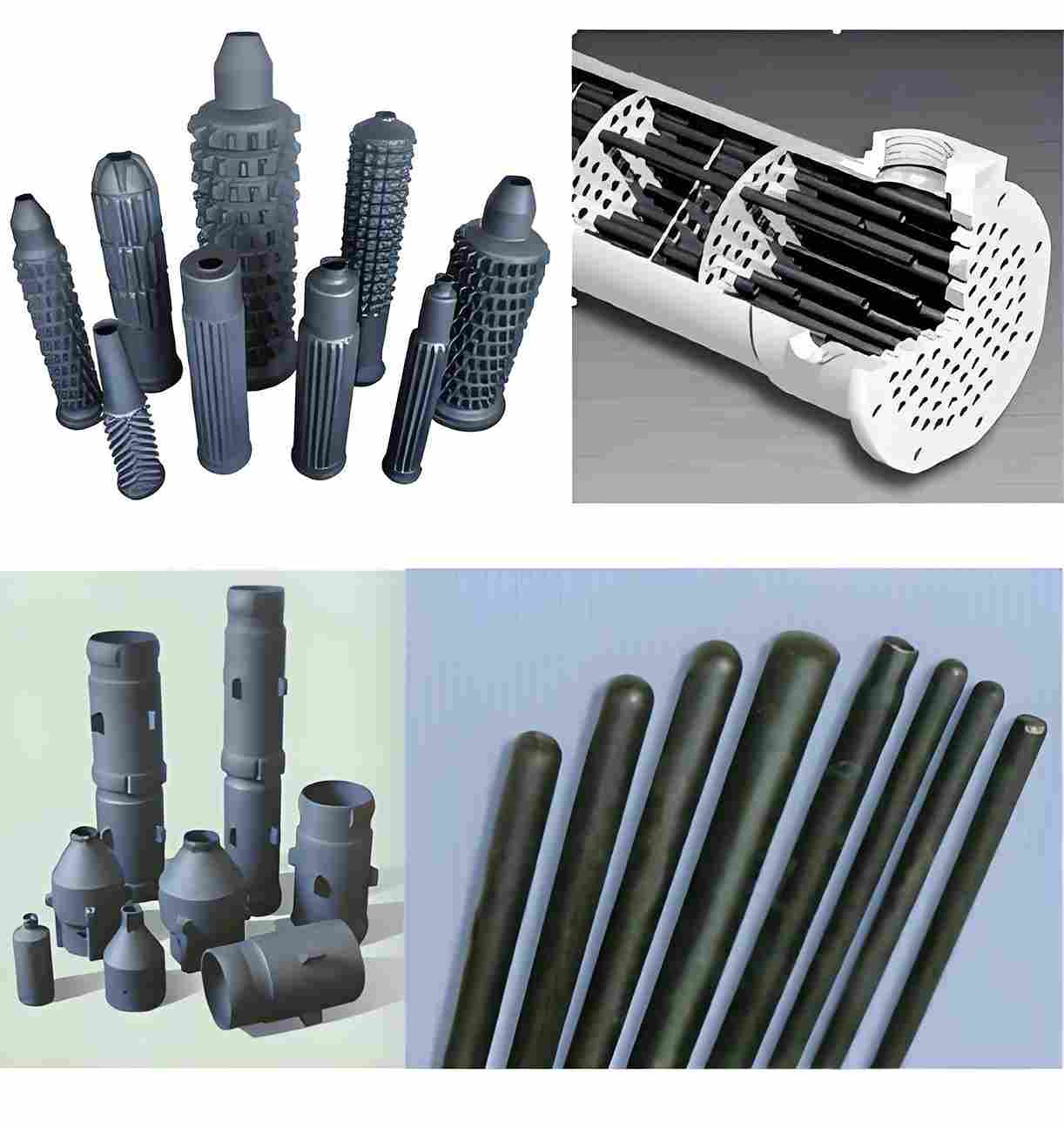
When a plant goes offline for maintenance, the biggest hidden cost is often damage to silicon carbide (SiC) components caused by improper cleaning or storage. Below is a step‑by‑step guide that eliminates guesswork and lets you protect expensive SiC tubes, plates, seals, and rollers until the next start‑up.
Why Proper Cleaning and Storage Matter
Silicon carbide is prized for its high‑temperature strength, corrosion resistance, and wear‑life, but those same properties make it vulnerable to:
- Thermal shock from residual hot spots
- Chemical attack by spilled acids, alkalis, or salts left on the surface
- Mechanical abrasion from dust or grit that settles during a long shutdown
- Moisture ingress that can lead to oxidation when the furnace is reheated
Our field engineers in a German boiler plant reported a 12% failure rate on SiC seal rings after a 6‑month idle period—simply because the rings were stacked without protection and exposed to humidity.
Pre‑Shutdown Planning Checklist
1. Identify All SiC Items in the Line
Start with a parts list generated from the maintenance management system (CMMS). Tag each item with a unique identifier (e.g., SC‑TUBE‑001, SC‑SEAL‑A12). This avoids misplacement and speeds up post‑shutdown inspection.
2. Gather Required Cleaning Materials
Use only non‑abrasive, chemically compatible agents. Recommended supplies:
- High‑purity de‑ionized water (resistivity > 1 MΩ·cm)
- Industrial‑grade isopropyl alcohol (≥ 99 %) for final drying
- Neutral pH detergent (e.g., Alconox) – no acids or alkalies
- Lint‑free, non‑fibrous wipes (polypropylene)
- Stainless‑steel trays with raised edges
3. Prepare a Controlled Cleaning Area
Designate a clean‑room‑level space (ISO‑7 or better) close to the shutdown zone. The room should have:
- Positive air pressure to keep contaminants out
- HEPA filtration to capture sub‑micron particles
- Temperature maintained at 20‑25 °C to prevent condensation
Step‑by‑Step Cleaning Procedure
Step 1 – Visual Inspection
Before any liquid contact, inspect each component for cracks, chips, or coating loss. Use a 10× magnifier and photograph any defect for the quality report. If a crack larger than 0.5 mm is found, mark the part as “scrap” and arrange a replacement order.
Step 2 – Pre‑Rinse
Place the component in a stainless‑steel tray and spray de‑ionized water at a low pressure (≤ 2 bar). The goal is to remove loose debris without forcing water into pores or micro‑cracks.
Step 3 – Detergent Wash
Fill the tray with warm (≈ 40 °C) de‑ionized water and add 0.5 % neutral detergent. Submerge the component for 5 minutes, then use a soft polypropylene brush to scrub gently along any machining marks. Avoid steel brushes – they can embed metal particles that later cause galvanic corrosion.
Step 4 – Rinse
Drain the soapy water and rinse three times with fresh de‑ionized water. Each rinse should be a full immersion lasting at least 30 seconds to flush out any detergent residue.
Step 5 – Final Alcohol Flush
Transfer the part to a second tray and spray a light mist of 99 % isopropyl alcohol. This displaces water molecules and speeds up drying while leaving no conductive residues.
Step 6 – Drying
Place the component on a clean, lint‑free rack inside a drying oven set at 80 °C for 30 minutes. For thin plates or membranes, a vacuum‑assisted dryer reduces the risk of trapped moisture.
Step 7 – Protective Coating (Optional)
If the shutdown exceeds six months, consider applying a thin, removable silicone‑based coating (e.g., ZIRSEC silicone protectant). This barrier prevents oxidation and makes re‑installation easier. Follow the manufacturer’s curing schedule before storage.
Storage Solutions Tailored to SiC Geometry
1. Tubes and Rods
Support tubes horizontally on low‑profile, non‑metallic cradles (polypropylene or PEEK). Keep a minimum clearance of 2 × tube diameter between adjacent parts to avoid point loading. Stack tubes only if a protective sleeve (PEEK tubing) is used around each piece.
2. Flat Plates and Liner Segments
Lay plates on a clean, acid‑free cardboard sheet with a thin silica gel pad underneath to absorb any accidental moisture. Cover the stack with a breathable film (polyester film with 5 µm pores) to allow airflow while preventing dust deposition.
3. Seal Rings and Complex Shapes
Place each ring inside a custom‑molded polyurethane tray that holds the part without contact on the sealing face. This preserves the critical surface finish (Ra ≤ 0.8 µm) and eliminates “pin‑ching” during transport.
4. Rollers and Cylindrical Wear Parts
Wrap rollers in a double layer of anti‑static, low‑lint film, then store them vertically in a rack with a rubberized base. The vertical orientation distributes weight evenly and minimizes deformation.
5. Environmental Controls
All storage racks should be placed inside a climate‑controlled cabinet:
- Temperature: 15‑25 °C (avoid thermal cycling)
- Relative humidity: ≤ 40 % (use desiccant packs if needed)
- Atmosphere: Optional nitrogen purge for ultra‑high‑purity applications
Install a data logger to record temperature and humidity; any excursion beyond the limits triggers an immediate inspection.
Risk Mitigation and Documentation
Every SiC component that passes through cleaning and storage must have a traceable record. Use a simple spreadsheet or, better, an electronic document management system (EDMS) that captures:
- Part number and serial
- Date of cleaning and operator name
- Cleaning parameters (temperature, detergent concentration, rinse cycles)
- Storage location, cabinet ID, and humidity reading
- Final inspection result (Pass/Fail) and any comments
When the plant restarts, the maintenance team can pull the log, verify conditions, and confidently reinstall the parts.
Common Pitfalls and How to Avoid Them
- Using acidic cleaners: Even dilute acids attack SiC’s surface, creating micro‑pits that propagate under high‑temperature loads. Stick to neutral detergents.
- Stacking without padding: Direct metal‑to‑SiC contact can cause edge chipping. Always use non‑metallic spacers.
- Ignoring moisture: Water that evaporates during heating can cause rapid oxidation (SiC + O₂ → SiO₂ + CO). Ensure thorough drying and, if possible, a nitrogen blanket.
- Room temperature fluctuations: Thermal shock while the component is still warm from cleaning can lead to micro‑cracks. Allow components to cool to ambient before storage.
- Missing documentation: Without a traceable record, a later failure may be blamed on the supplier rather than on mishandling. Keep accurate logs.
Quick FAQ for Engineers on the Floor
- Q: How long can a cleaned SiC part stay stored?
- A: With proper humidity control (≤ 40 %), a protective coating, and a nitrogen purge, parts can remain idle for up to 12 months without performance loss.
- Q: Is it safe to reuse a seal ring that has been cleaned?
- A: Yes, provided visual inspection shows no surface wear beyond the allowable Ra 0.8 µm and the ring passes a leak test at operating pressure.
- Q: What is the best way to test for hidden moisture?
- A: Use a calibrated moisture meter that probes the part surface, or heat a sample to 200 °C in a furnace and monitor weight loss – any loss > 0.02 % indicates retained moisture.
- Q: Can I store SiC components together with aluminum parts?
- A: Avoid direct contact. Aluminum can gall and leave metallic residues that act as galvanic sites under high temperature.
Case Study: Reducing Downtime for a European Pump Manufacturer
Background: A pump‑valve OEM in Germany experienced a 8‑day production halt after a scheduled shutdown because three SiC seal rings fractured during start‑up. The root cause was moisture trapped in the pores of the rings.
Solution Implemented by ZIRSEC:
- Introduced a standardized cleaning protocol identical to the one described above.
- Added a nitrogen‑purge storage cabinet with 99.999 % N₂ purity.
- Implemented barcode‑based tracking for each ring.
Result: In the next shutdown cycle, the same three rings were reused without issue, saving the client an estimated $15,000 in lost production and eliminating the need for emergency part orders.
Final Checklist Before Reactivation
- Confirm all cleaning logs are complete and signed.
- Verify storage cabinet humidity logs for the entire shutdown period.
- Perform a non‑destructive ultrasonic inspection on critical load‑bearing parts.
- Run a low‑pressure leak test on seals and tubes before full‑load ramp‑up.
- Document any deviations and communicate them to the project manager.
By following this protocol you eliminate the hidden costs of component failure, protect your capital investment in silicon carbide parts, and keep your plant’s restart on schedule. For bespoke cleaning kits, custom storage solutions, or engineering support, reach out to our technical team at info@zirsec.com or visit our website.