Mining and minerals processing plants fight a constant battle against abrasion. From primary crushing to grinding, classification and slurry transport, every ton of ore grinds away at chutes, hoppers, cyclones, pumps and pipelines. When wear protection fails, the result is unplanned downtime, patch repairs and reduced throughput.
Silicon carbide liners offer a way to stabilise high-wear areas in mining and minerals processing. With exceptional hardness, impact resistance and strong performance in both wet and dry abrasion, silicon carbide (SiC) protects critical equipment from premature failure. This article explains where SiC liners add the most value and how to use them effectively in mining operations.
Why Wear is Such a Problem in Mining & Minerals Processing
Mining and mineral processing involve continuous handling of abrasive rock, sand and slurry. Typical wear mechanisms include:
- Sliding abrasion: ore or slurry sliding over chutes, hoppers, bins and pipes.
- Impact abrasion: high-velocity particles hitting liners at transfer points and drop boxes.
- Erosion–corrosion: wet, often corrosive slurries eroding metal and low-hardness linings.
- Turbulent slurry flow: high velocities in bends, fittings and cyclone inlets.
Standard steel, low-alloy plate and basic rubber or ceramic linings can handle mild conditions, but in aggressive duty they wear out quickly. Frequent lining replacement means more shutdowns, more labour and unpredictable equipment availability.
Why Silicon Carbide Liners Work in Mining
Silicon carbide, described more broadly in silicon carbide, brings a performance profile that fits mining wear challenges:
- Extremely high hardness: outstanding resistance to sliding and impact abrasion from hard ores.
- High wear resistance in slurries: maintains thickness and geometry in high-velocity slurry lines.
- Good thermal shock behaviour: tolerates temperature variations in certain drying or hot slurry zones.
- Chemical stability: compatible with many process waters, reagents and pH conditions.
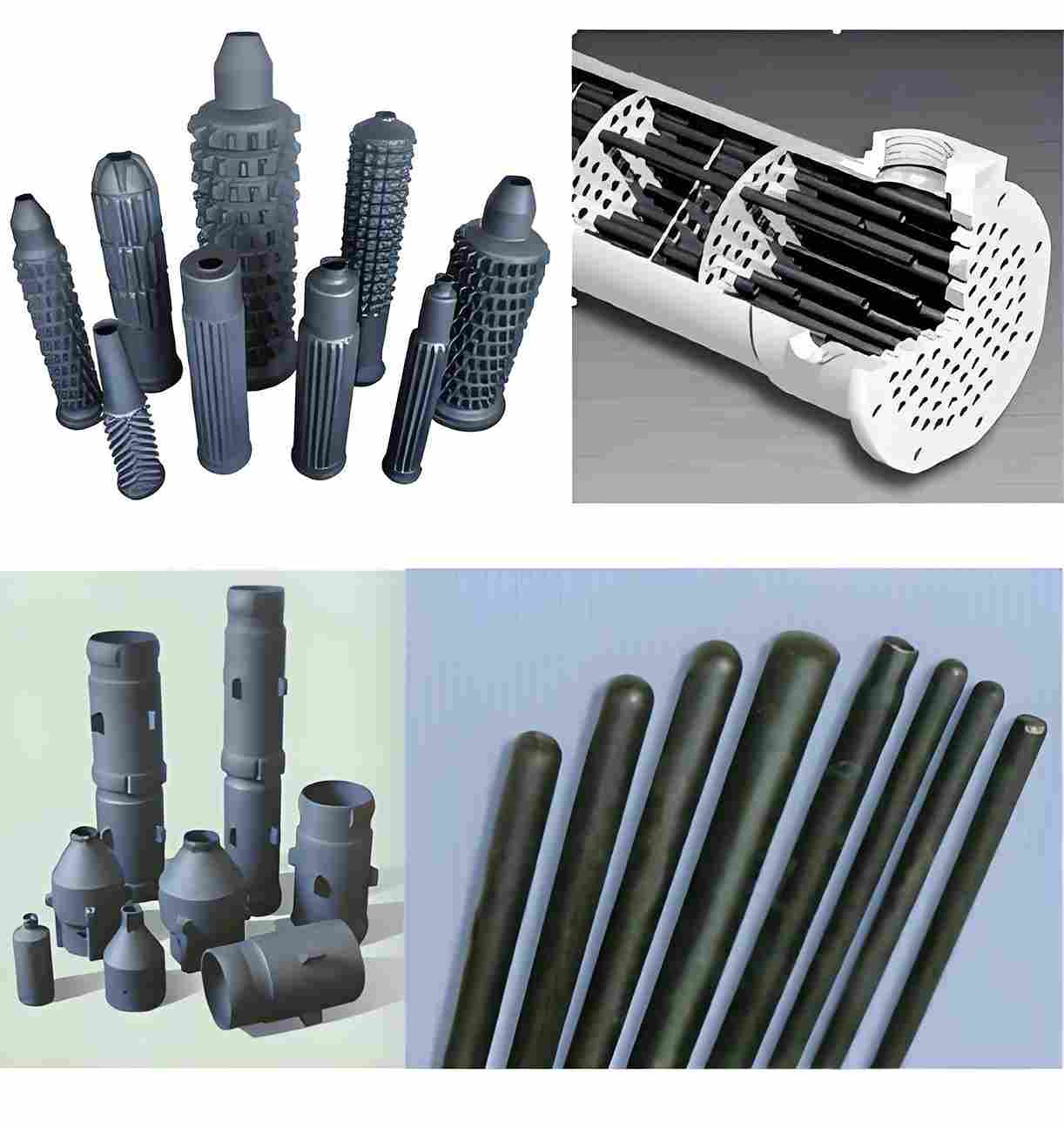
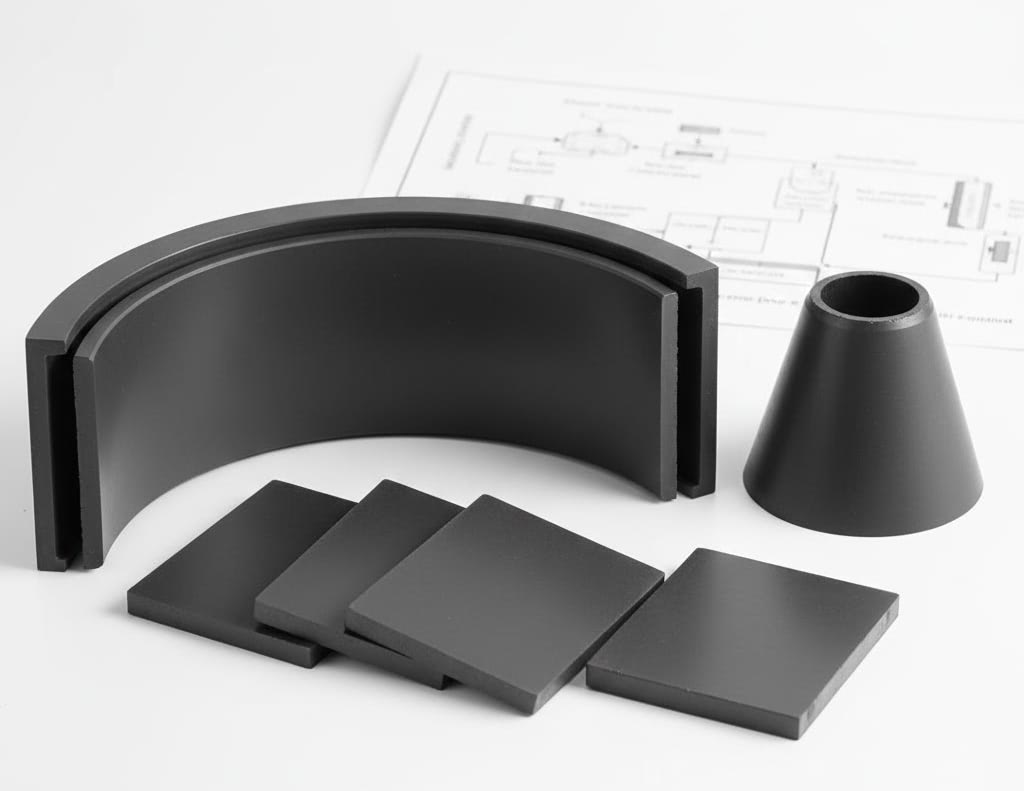
Zirsec supplies silicon carbide plates, tiles and custom shapes that can be used as liners in chutes, hoppers, cyclones, pump wetted ends and slurry pipelines to extend equipment life.
Key Applications for Silicon Carbide Liners in Mining & Minerals Processing
1. Chutes, Hoppers and Transfer Points
Transfer points between conveyors, crushers and screens are notorious wear locations. Ore impacts liners at high speed, often with coarse, sharp fragments.
- Chute liners: SiC tiles or plates installed in high-impact and high-sliding zones reduce thickness loss and hang-up.
- Hopper liners: silicon carbide panels protect walls where material flow is concentrated.
- Skirtboard and impact zone protection: SiC used alongside rubber in hybrid systems at loading points.
Using silicon carbide in the most heavily impacted areas allows the bulk of the structure to be built from more economical materials, while still achieving long service life.
2. Cyclones and Classifiers
Hydrocyclones and classifiers handle high-velocity slurry containing fine abrasive particles. Internal surfaces suffer severe erosion, especially at the inlet and underflow regions.
- Cyclone inlet liners: SiC liners stabilise geometry and maintain separation performance.
- Barrel and cone liners: silicon carbide panels protect against continuous slurry swirl.
- Spigot and apex components: critical wear parts can be made from SiC to extend cyclone campaigns.
Stable cyclone geometry thanks to SiC liners translates into more consistent cut size, reduced bypass and more predictable grinding circuit behaviour.
3. Slurry Pipelines and Bends
Slurry transport systems, often using slurry pumps and pipelines, are subject to continuous erosion, especially in bends, reducers and tees.
- SiC-lined pipe sections: silicon carbide tiles lining steel pipe in high-wear areas.
- Bend and elbow liners: SiC liners installed in outer radii and impact zones.
- Reducer and tee liners: protection at flow direction changes and branch points.
Strategically placing silicon carbide liners in the worst wear locations can drastically reduce leak risk and maintenance frequency in slurry circuits.
4. Pumps and Pump Components
Slurry pumps face intense combined wear and sometimes corrosion. Beyond elastomer or metal liners, silicon carbide can be used for:
- Wear plates and throatbushes: SiC inserts at the highest wear zones.
- Seal rings and sleeves: silicon carbide seal components for extended seal life in abrasive slurries.
These upgrades help keep pumps running at design performance longer, reducing energy waste and unplanned pump change-outs.
How Silicon Carbide Liners Reduce Total Cost of Ownership
Silicon carbide liners are more than “harder tiles.” They change the economics of wear management in several ways:
- Longer maintenance intervals: liners stay within acceptable thickness much longer than conventional materials.
- Fewer unexpected failures: reduced risk of holes, leaks and catastrophic wear-through.
- More stable process performance: chutes, cyclones and pipelines maintain geometry, supporting consistent flow and separation.
- Lower labour cost per tonne: fewer repair cycles and less emergency work.
When viewed at plant scale – across transfer stations, grinding circuits and tailings systems – these savings often outweigh the higher unit price of silicon carbide materials.
Design Considerations When Using Silicon Carbide Liners
1. Identify True Hot Spots
Silicon carbide is most cost-effective when applied where wear is worst, not everywhere:
- Use wear maps and thickness measurements to locate the fastest wearing areas.
- Prioritise bends, impact points, inlets, throats and high-velocity flow regions.
- Combine SiC with rubber or other ceramics to match local duty conditions.
This targeted approach delivers the most benefit per square metre of silicon carbide installed.
2. Liner Geometry and Anchoring
Because silicon carbide is a hard, brittle ceramic, liner geometry and installation method matter:
- Tile size: smaller tiles reduce stress and are easier to fit in curved areas; larger plates work for flat zones.
- Anchoring: use backing steel and reliable adhesive, bolt or stud systems depending on location.
- Joint design: minimise gaps and steps that can disrupt flow or concentrate impact.
Zirsec can supply flat SiC plates and custom-cut shapes to match chute, cyclone or pipe geometry.
3. Slurry and Ore Characteristics
Not all slurries and ores are the same. When specifying silicon carbide liners, consider:
- Particle size distribution: fine vs coarse, angular vs rounded.
- Slurry velocity and density: higher velocities and densities increase erosion severity.
- Chemistry: pH, dissolved solids and reagents that may affect any binder or backing materials.
Matching liner thickness and grade to the real duty avoids both under- and over-specification.
Case Example: SiC Liners in a Mineral Processing Plant
Background
A minerals processing plant handling abrasive ore experienced rapid wear in cyclone inlets, slurry pipeline bends and transfer chutes. Frequent liner replacement created high maintenance costs and unplanned stops.
Approach
- Install silicon carbide liners in cyclone inlets and cone sections to stabilise geometry.
- Replace the most problematic slurry pipeline elbows with SiC-lined bends.
- Retrofitted SiC plates in the highest impact zones of transfer chutes.
Results
- Liner life in selected areas increased multiple times compared with previous materials.
- Unplanned leaks and emergency repairs in pipelines and chutes were significantly reduced.
- Cyclone performance became more stable over time, supporting consistent plant throughput.
FAQ – Silicon Carbide Liners in Mining & Minerals Processing
Q1. Where is the best place to start using silicon carbide liners in a mine or plant?
Start where wear is most severe and painful: transfer points that constantly leak or need repair, cyclone inlets that rapidly thin, slurry bends that frequently fail and high-impact chute sections. Upgrading these “trouble spots” gives the clearest payback.
Q2. Can silicon carbide liners replace rubber and conventional ceramic tiles everywhere?
Not always. Rubber is still valuable for impact cushioning and noise reduction, and conventional ceramics can be sufficient in moderate duty areas. Silicon carbide is most effective in the most extreme wear zones, often used together with other materials in a layered or hybrid approach.
Q3. Are silicon carbide liners difficult to install?
Installation requires proper backing, anchoring and joint design, but the basic principles are straightforward for experienced maintenance teams. The key is to avoid point loads, ensure full support and use suitable adhesives or mechanical fixings.
Q4. How do silicon carbide liners affect flow behaviour in chutes and pipelines?
SiC surfaces are smooth and hard, which often improves flow and reduces hang-up compared with heavily worn steel. With correct design, silicon carbide liners can reduce build-up and keep cross-sections closer to the design geometry over time.
Q5. How can Zirsec support mining and minerals processing plants?
Zirsec provides silicon carbide plates, tiles and custom liners tailored to mining and minerals processing applications. By reviewing wear patterns, slurry conditions and equipment geometry, Zirsec helps identify where SiC liners will bring the highest benefit and supplies engineered components to reduce equipment wear and stabilise plant performance.
Struggling with repeated wear failures in mining or mineral processing equipment? Applying silicon carbide liners in your worst wear zones can turn chronic maintenance headaches into stable, predictable operations with longer equipment life and fewer unplanned stops.