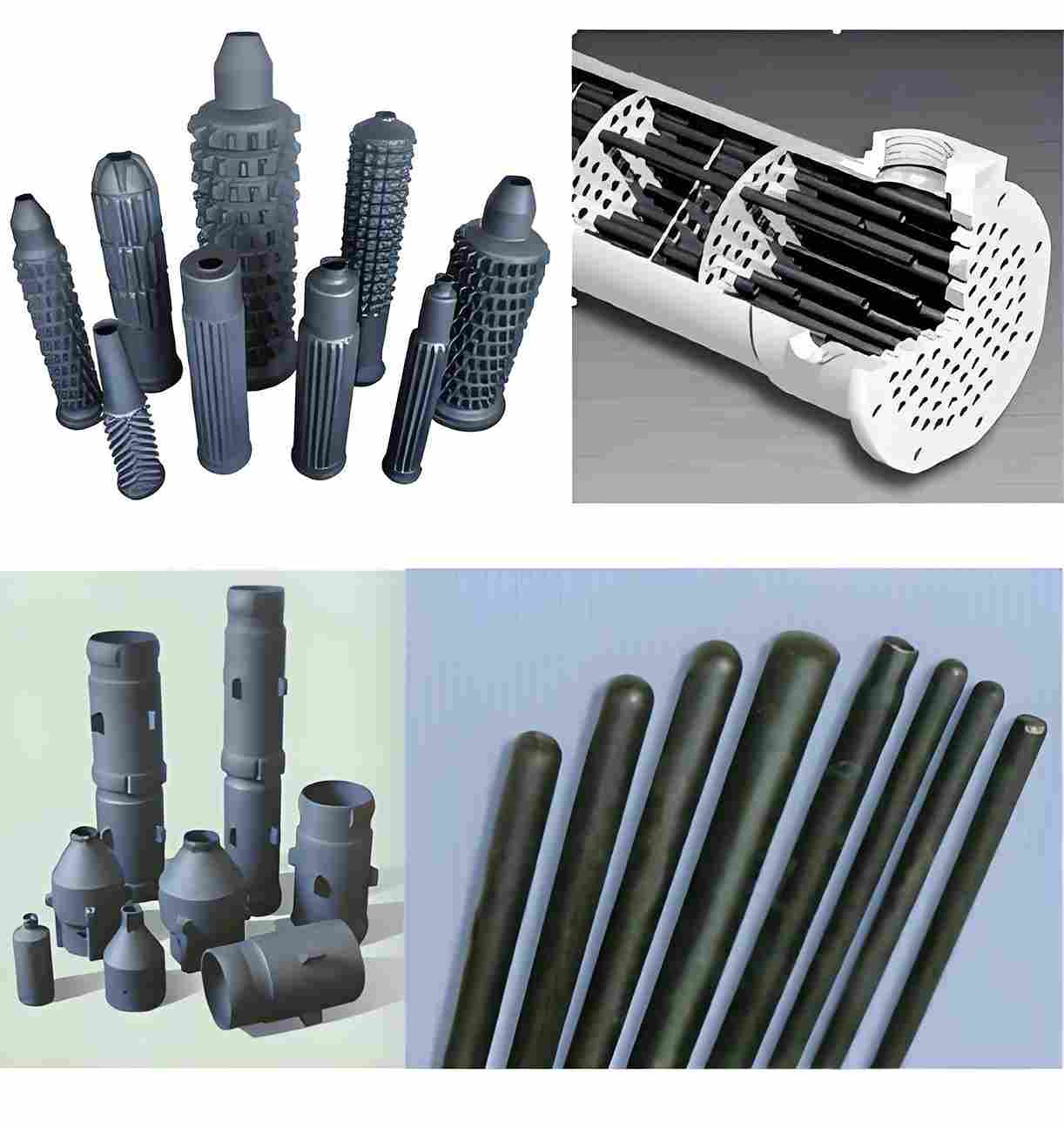
Power plants live and die by thermal efficiency and uptime. Boilers, superheaters, economisers and heat exchangers all operate in harsh environments: high temperatures, corrosive flue gases, erosive ash and frequent load changes. When tubes, liners or inserts fail early, the result is forced outages, derating and costly repairs.
Silicon carbide components give power plant engineers an option to reinforce the hottest and most aggressive areas of boilers and heat exchangers. With excellent high-temperature strength, oxidation resistance and wear behaviour, silicon carbide (SiC) is well-suited to critical areas where conventional steels and refractories are constantly under attack.
This article explains how silicon carbide components can be used in power plant boilers and heat exchangers, where they add the most value and what to consider when specifying them.
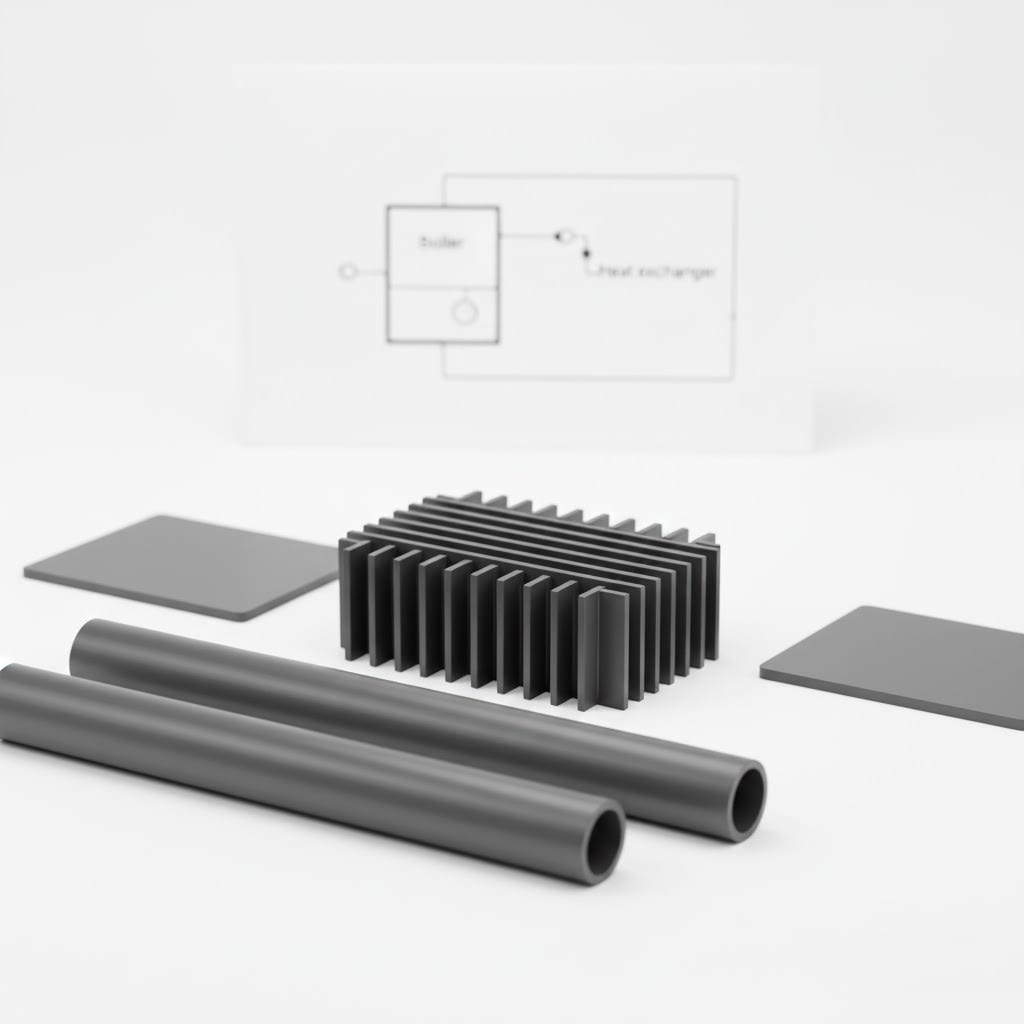
Boilers and Heat Exchangers: Tough Conditions by Design
Power generation systems rely on boilers and heat exchangers to transfer energy efficiently from fuel or primary heat sources to steam, water or process fluids. In coal, biomass, waste-to-energy and some gas-fired plants, core challenges include:
- High gas temperatures: flue gas and combustion zones often exceed 900–1200 °C in local hot spots.
- Corrosion and fouling: ash, sulphur, chlorine and alkali species attack tube surfaces and linings.
- Erosion: fly ash and particulates erode tubes and duct internals at high velocities.
- Thermal cycling: load-following plants see frequent temperature changes that stress materials.
Standard steel alloys and refractories can handle much of this, but certain sections repeatedly become “problem areas” that drive maintenance schedules and force outages.
Why Silicon Carbide Works in Power Plant Service
Silicon carbide, described more fully in silicon carbide, brings a package of properties that directly address boiler and heat exchanger pain points:
- High-temperature capability: retains strength, stiffness and shape at temperatures where many steels creep or oxidise rapidly.
- Excellent oxidation resistance: stable performance in hot, oxidising flue gas environments.
- High hardness and wear resistance: strong resistance to erosion from fly ash and particle-laden flow.
- Good thermal shock behaviour: better tolerance to load changes and start–stop cycles than many dense refractories.
- High thermal conductivity: efficient heat transfer through walls where needed.
Zirsec manufactures industrial silicon carbide products such as silicon carbide tubes, plates, burner nozzles and heat exchanger components that can be configured for power plant duty.
Key Silicon Carbide Applications in Power Plants
1. Boiler Tube Protection and Inserts
Waterwall and superheater tubes are exposed to erosive and corrosive flue gases, especially in solid-fuel boilers:
- SiC sleeves and tiles: silicon carbide elements installed as wear sleeves or shields on high-wear boiler tubes.
- Impact zone plates: SiC plates placed where ash-laden flow strikes tube banks.
- Protective tiles: SiC tiles on sidewalls and hopper areas exposed to severe ash impact.
These silicon carbide protections slow down both erosion and high-temperature corrosion, extending tube life and reducing forced outages due to leaks.
2. High-Temperature Gas Path Liners and Baffles
In combustion chambers, ducts and transition pieces, internal surfaces see hot gas, ash and strong temperature gradients:
- SiC refractory liners: silicon carbide plates and shapes used as hot-face linings in high-flux regions.
- Flow control baffles: SiC components that stabilise flow and protect underlying structures.
Silicon carbide’s thermal shock resistance and erosion behaviour make it well-suited to these “splash zones” where metals and low-grade refractories fail quickly.
3. Silicon Carbide Heat Exchanger Elements
In certain power plant subsystems, especially flue gas heat recovery, silicon carbide can be used as a primary heat exchanger material:
- SiC heat exchanger tubes: tubes carrying air, water or process fluids while exposed to hot, corrosive flue gas.
- SiC blocks or plates: elements used in compact heat exchanger designs.
Compared with metal tubes, silicon carbide heat exchanger elements can offer improved corrosion resistance and higher allowable surface temperatures, especially in waste-to-energy or biomass applications with aggressive flue gas chemistry.
4. Burner and Nozzle Components
Burner throats, nozzles and tiles are repeatedly exposed to high flame temperatures and thermal cycling:
- Silicon carbide burner nozzles: SiC components shaping and protecting burner outlets.
- Burner tiles and blocks: SiC tiles protecting tube walls and furnace linings near burners.
Stable burner geometry supports cleaner combustion, better mixing and more predictable flame patterns, which in turn supports efficiency and emissions targets.
How Silicon Carbide Components Help Power Plants Perform Better
- Extended component life: longer campaigns between tube, liner or nozzle replacements.
- Reduced forced outages: fewer leaks and failures in well-known hot spots.
- More stable heat transfer: tubes and heat exchanger surfaces maintain geometry and cleanliness longer.
- Improved operational flexibility: better tolerance to load changes and cycling without cracking or distortion.
Instead of constantly repairing the same boiler and heat exchanger areas, plant maintenance teams can focus on strategic upgrades and planned overhauls.
Design and Material Considerations
1. Matching Silicon Carbide Grade to the Environment
Not all power plant sections see the same conditions. When specifying silicon carbide:
- Define gas composition: oxygen levels, sulphur, chlorine, alkalis and particulates.
- Identify temperature range in normal and peak operating modes.
- Understand cycling behaviour: base-load vs load-following vs peaking duty.
Based on these parameters, the appropriate SiC grade (e.g. reaction-bonded or sintered) and thickness can be chosen to balance life, cost and mechanical robustness.
2. Mechanical Integration and Support
Silicon carbide is a ceramic, so mechanical integration must account for its behaviour:
- Avoid point loads and rigid constraints that create stress concentrations.
- Allow thermal expansion differences between SiC components and steel structures.
- Use appropriate anchors, hangers and backing materials to support SiC liners and tiles.
Successful projects treat silicon carbide as part of a composite system (steel + insulation + SiC hot face), not as a direct one-for-one replacement of metallic parts.
3. Heat Transfer and Fouling
Silicon carbide’s high thermal conductivity and smooth surfaces can influence boiler and heat exchanger behaviour:
- Better heat transfer: efficient energy transfer through SiC tubes or plates where needed.
- Potentially reduced fouling: smoother, harder surfaces that resist ash build-up compared with rough, corroded metals.
- More stable surface conditions: less surface roughening over time due to erosion and corrosion.
Engineers should consider these differences when modelling heat transfer and designing cleaning schedules (sootblowing, sonic cleaning, etc.).
Case Example: Silicon Carbide Components in a Biomass Power Boiler
Background
A biomass power plant experienced frequent tube leaks and refractory damage in the furnace and superheater inlet zones, driven by high ash content and corrosive flue gas. Forced outages and hot repairs reduced availability and increased O&M costs.
Approach
- Add silicon carbide tiles and plates in the highest ash impact zones to shield tubes and refractories.
- Install SiC sleeves on selected superheater tubes in areas with severe ash erosion.
- Introduce SiC-based elements in a flue gas heat recovery unit to improve corrosion resistance.
Results
- Tube failure rate in upgraded areas dropped significantly, reducing forced outages.
- Refractory life in the furnace and transition zones increased, with fewer hot repairs.
- Heat recovery performance became more stable over time as surfaces maintained their geometry and cleanliness.
FAQ – Silicon Carbide Components for Boilers and Heat Exchangers
Q1. Can silicon carbide tubes completely replace steel boiler tubes?
In most utility boilers, silicon carbide is used as a protective element, not as a complete replacement for all pressure-containing tubes. SiC sleeves, shields or heat exchanger elements are introduced selectively in the harshest zones, while pressure parts remain metallic for code compliance and welding requirements.
Q2. Where is the most practical place to start using silicon carbide in a power plant?
Start with known trouble spots: erosion-prone superheater inlets, ash impact zones in furnaces, high-wear duct elbows, burner tiles and specific heat recovery sections subjected to severe corrosion. Targeted upgrades give measurable benefits without redesigning the entire boiler.
Q3. How do silicon carbide heat exchanger components compare with metal tubes?
Silicon carbide offers better high-temperature corrosion and erosion resistance in aggressive flue gas, and allows higher allowable surface temperatures. However, it requires different support and sealing concepts. It is best applied in flue gas heat recovery or specialised exchangers rather than as a direct swap for all boiler tubes.
Q4. Are silicon carbide components difficult to install or maintain?
Installation requires correct anchors, supports and joint design, but experienced boiler and refractory contractors can handle SiC components with proper guidance. Once installed, silicon carbide tends to require less frequent replacement than conventional materials in the same duty.
Q5. What information should I provide when asking Zirsec about SiC components for my plant?
Provide boiler or heat exchanger type, fuel, flue gas composition, operating temperatures, known problem zones, drawings of the relevant sections and current failure modes. With this information, Zirsec can propose silicon carbide tubes, plates or custom shapes that fit your existing geometry and duty conditions.
Planning a boiler upgrade or flue gas heat recovery project? Integrating silicon carbide components in your highest-risk zones can extend component life, reduce forced outages and stabilise performance without rebuilding the entire power plant.