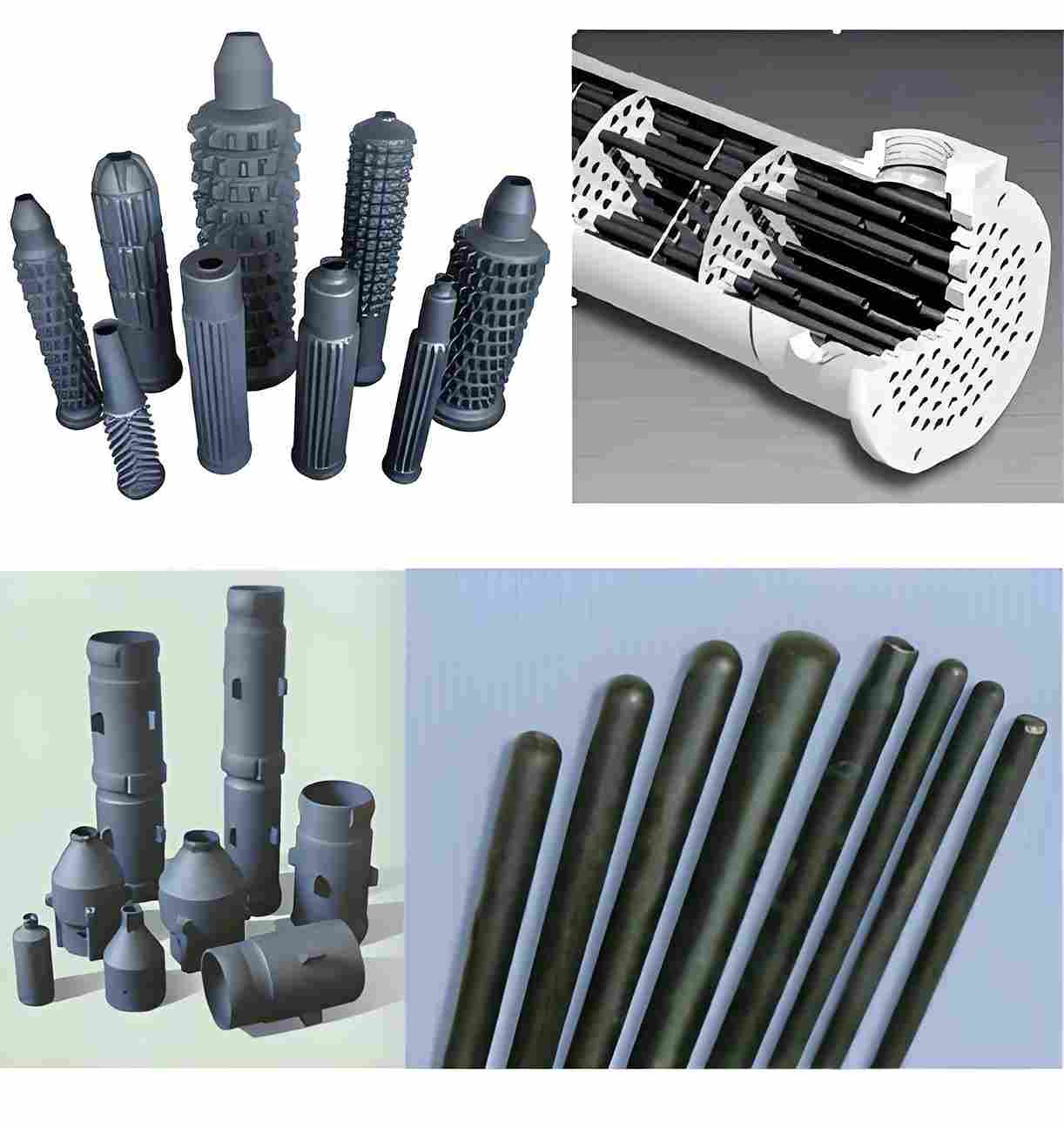
In chemical pumps, material selection directly influences reliability, maintenance cost and operational safety. Two common ceramic materials—silicon carbide (SiC) and alumina (Al₂O₃)—are widely used for wear parts, sleeves and mechanical seal faces. Although both are ceramics, their performance differs significantly under corrosive and abrasive conditions. This article provides a practical engineering comparison to help OEMs and plant operators specify the correct material for demanding chemical applications.
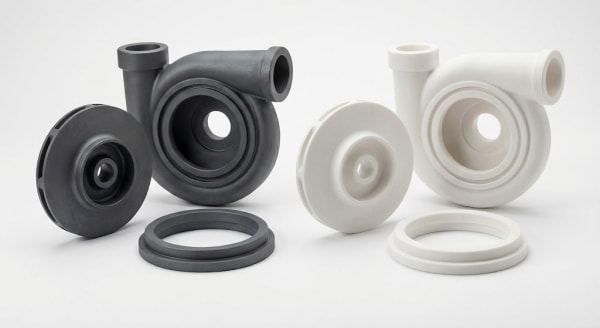
What Are SiC and Alumina Used for in Chemical Pumps?
Both silicon carbide and alumina serve as hard, wear-resistant materials for pump components. Typical applications include seal faces, sleeves, bearings, thrust washers and wear rings. These components must withstand particle-laden liquids, aggressive chemicals, cavitation forces and inconsistent lubrication conditions. While alumina has been used for decades as an economical ceramic option, silicon carbide’s superior mechanical and chemical properties make it increasingly preferred for modern high-performance pumps.
Why Material Choice Matters in Chemical Applications
Chemical pumps operate in challenging environments where metals corrode rapidly and polymers soften or deform. Seal failures, bearing cracks and friction-related heat can cause leakage or unplanned shutdowns. Materials that tolerate abrasion, corrosion and temperature fluctuations reduce downtime and extend equipment life. This is where the difference between SiC and alumina becomes evident: they do not fail the same way, and they do not survive the same conditions.
Silicon Carbide vs Alumina: Key Technical Differences
The following engineering factors highlight when each material is appropriate, and why silicon carbide generally outperforms alumina in harsh chemical processes.
Wear Resistance
Silicon carbide is significantly harder than alumina, allowing it to resist abrasive slurries and suspended solids. Alumina surfaces wear faster, causing clearances to increase and reducing pump efficiency. In particle-rich chemical flows, SiC components routinely last multiple times longer than alumina.
Chemical Stability
SiC offers outstanding resistance across most acids, alkalis and solvents. Alumina performs well in moderate chemical environments but can degrade in strong caustics or hot acidic media. Chemical compatibility alone often justifies upgrading to SiC in aggressive processes.
Thermal Shock and Temperature Cycling
SiC’s unique thermal stability allows it to withstand rapid temperature swings during pump start-ups or process variations. Alumina is more prone to cracking under similar cycles, especially in hot and corrosive conditions. For applications involving temperature shocks, SiC remains the safer choice.
Mechanical Strength
Silicon carbide has higher flexural strength and fracture toughness, which improves reliability when pumps experience vibration, misalignment or high differential pressure. Alumina can fracture unexpectedly in high-stress regions if not carefully supported.
Cost and Availability
Alumina is generally cheaper, making it suitable for moderate operating conditions or low-risk environments. Silicon carbide costs more but delivers significantly better lifecycle value due to reduced replacements and fewer maintenance interruptions.
How Zirsec Helps Engineers Choose the Right Material
Zirsec supports pump OEMs and maintenance teams by evaluating service conditions and recommending the material that ensures long, stable pump operation. For highly corrosive or abrasive chemical flows, Zirsec typically recommends reaction-bonded or sintered silicon carbide due to its stable geometry, high wear resistance and long service life. When cost efficiency is the priority and chemicals are less aggressive, alumina components can be supplied as well. Zirsec provides full drawing-based customization, tight machining tolerances and fast small-batch production to help reduce design risk and shorten the development cycle. By controlling the entire SiC ceramic manufacturing chain, Zirsec ensures consistent quality from prototype to mass production.
Application Scenarios
Silicon carbide and alumina serve different roles across the chemical industry. SiC is preferred for pumps handling caustic soda, hydrochloric acid, sulfuric acid, phosphates, brines, abrasive crystallization slurries, solvent mixtures and corrosive waste streams. Alumina is often adequate for water-like fluids, mild solvents, light chemical blends and applications where abrasion load is minimal. In high-value or high-risk chemical units, upgrading to SiC directly reduces maintenance frequency and operational hazards.
Case Example: Upgrading Chemical Circulation Pumps
A chemical processing plant operating continuous circulation pumps experienced frequent bearing and sleeve failures made from alumina. Abrasive crystals gradually scored the surfaces, causing vibration and eventual seal failure. Zirsec evaluated the slurry characteristics and supplied custom RBSiC sleeves and thrust bearings with improved hardness and corrosion resistance. After installation, the component lifespan increased by more than four times, pump vibration stabilized and annual maintenance costs decreased significantly.
Typical Specifications Comparison
| Property | Silicon Carbide (SiC) | Alumina (Al₂O₃) |
|---|---|---|
| Wear Resistance | Excellent for abrasive fluids | Moderate |
| Chemical Resistance | High in acids, alkalis, solvents | Moderate to good |
| Thermal Shock Resistance | Excellent | Lower |
| Strength | Very high | Good |
| Max Temperature | ≈1600°C | ≈1500°C |
| Service Life | Longest in severe conditions | Shorter in abrasive media |
| Cost | Higher | Lower |
FAQs: Silicon Carbide vs Alumina in Chemical Pumps
Is silicon carbide always better than alumina?
No. While SiC outperforms alumina in harsh chemical and abrasive conditions, alumina remains suitable for low-wear, moderate chemical applications.
Can I replace alumina components with SiC without redesigning the pump?
In most cases yes. Zirsec can produce SiC components directly matched to your existing dimensions.
Does SiC reduce seal failures?
Often it does. The improved wear resistance and chemical stability reduce leakage-related failures.
Is alumina acceptable for acidic environments?
Only to a point. Strong acids at elevated temperatures will degrade alumina, while SiC remains stable.
Does Zirsec offer both SiC and alumina?
Yes. Zirsec supplies both materials and helps engineers choose based on process requirements rather than cost alone.
Contact Zirsec for Engineering Support
If your chemical pumps are experiencing premature wear, leakage or corrosion, upgrading to silicon carbide components may significantly improve reliability. Zirsec provides custom SiC and alumina parts based on your drawings, operating conditions and performance targets. Need a quotation or engineering evaluation? Contact Zirsec for fast support and sample production.