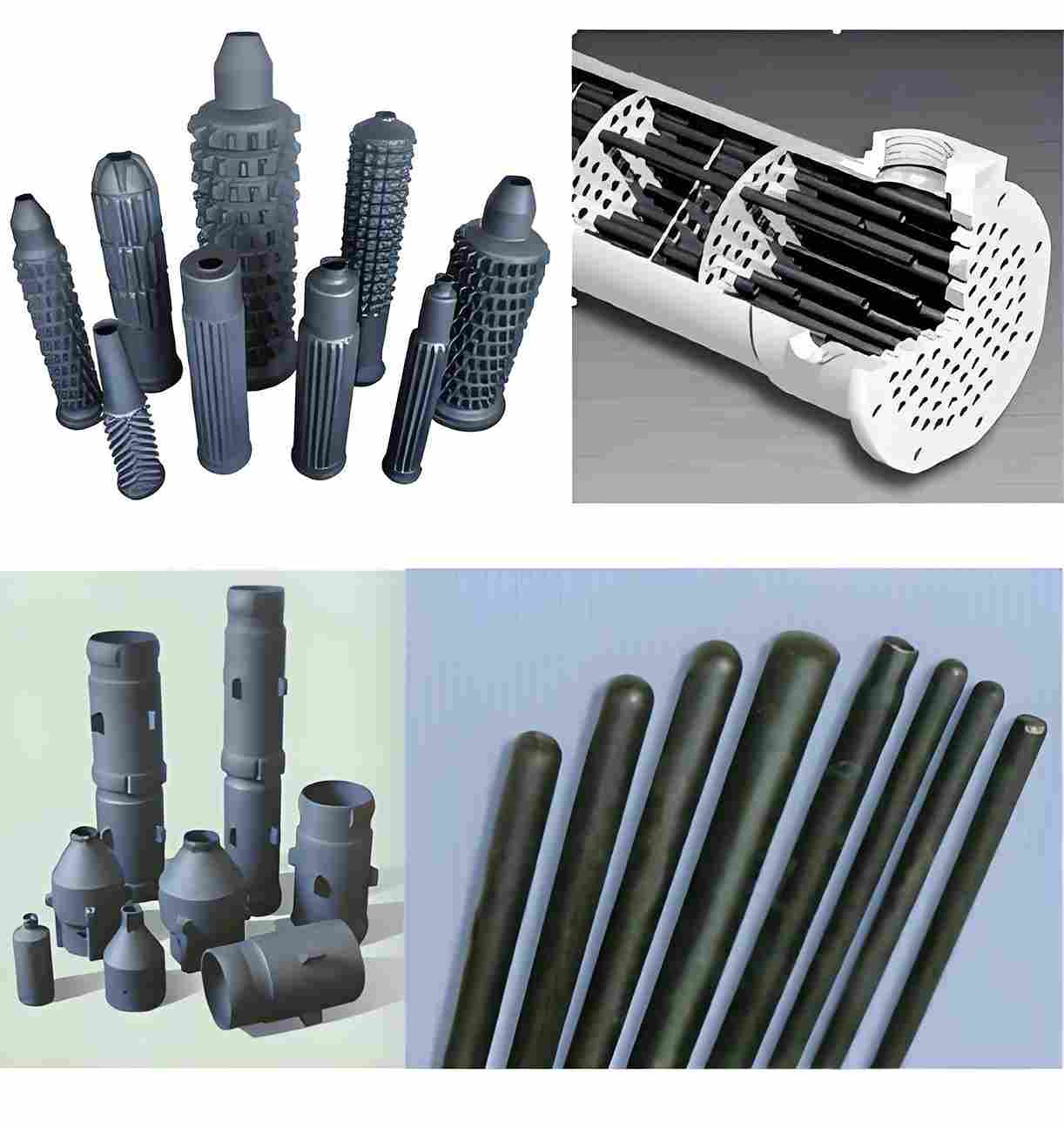
High-temperature wear plates and liners are critical components in equipment exposed to abrasion, corrosion and thermal stress. In industries such as metallurgy, chemical processing, power generation and environmental protection, premature liner failure leads to unplanned shutdowns and high replacement costs. Silicon carbide (SiC) and zirconia (ZrO₂) are two advanced ceramics often considered for these applications, but their performance differs significantly under combined high-temperature and wear conditions. This article provides a practical engineering comparison to help specify the right material.
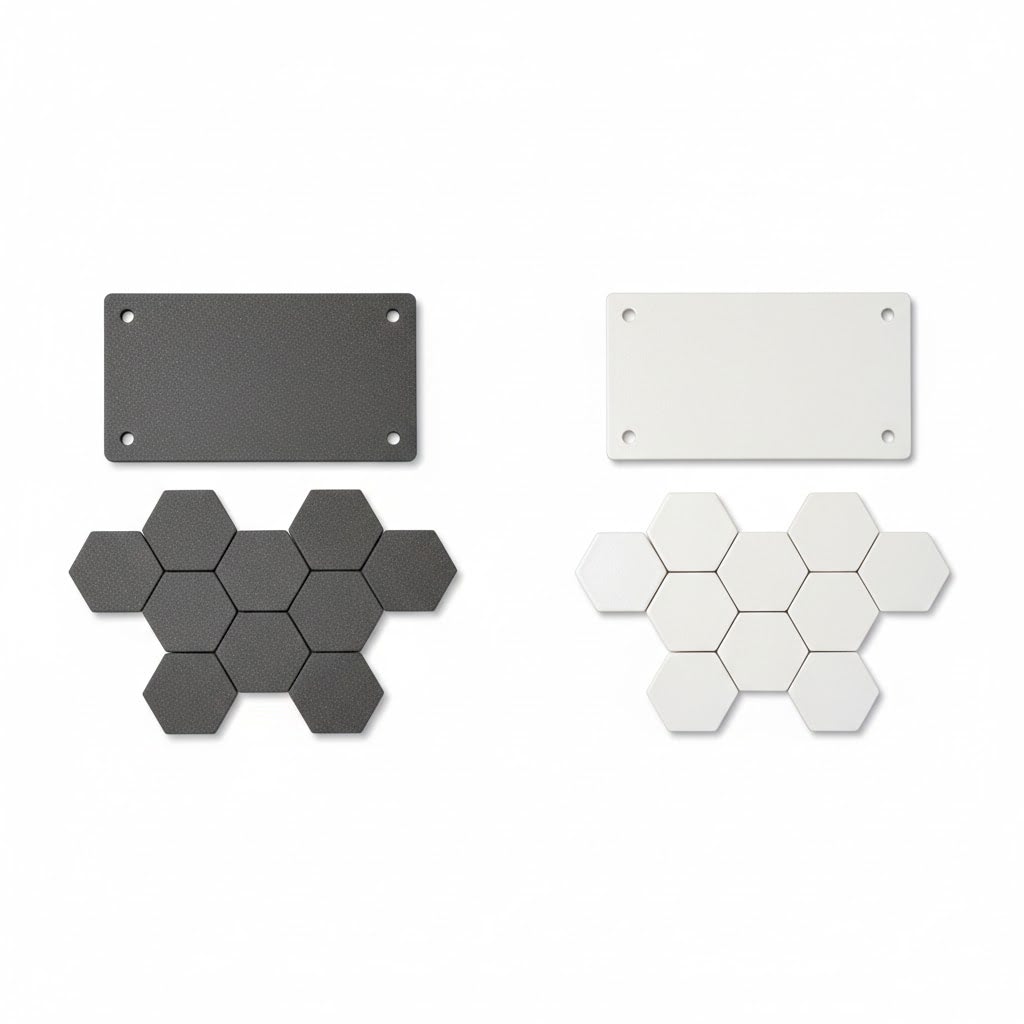
Why Material Selection Matters for High-Temperature Wear Liners
Wear plates and liners must maintain structural integrity while resisting continuous friction, particle erosion and chemical attack. At elevated temperatures, material stability becomes even more critical, as thermal expansion, oxidation and microstructural degradation can accelerate wear. Selecting a material optimized for room temperature alone often results in cracking, distortion or rapid surface degradation when exposed to real industrial conditions.
Silicon Carbide vs Zirconia: Key Engineering Differences
Although both materials are classified as advanced ceramics, silicon carbide and zirconia are designed for very different performance priorities.
High-Temperature Capability
Silicon carbide maintains excellent mechanical strength and dimensional stability at temperatures exceeding 1400°C. Zirconia, while tough at moderate temperatures, begins to lose strength and structural stability as temperature increases. For continuous high-temperature service, SiC offers a much wider safety margin.
Wear and Abrasion Resistance
Silicon carbide’s extreme hardness makes it highly resistant to abrasive particles and sliding wear. Zirconia relies more on toughness than hardness, which limits its wear resistance under continuous abrasion. In particle-laden flows or sliding contact applications, SiC wear plates significantly outlast zirconia.
Chemical and Oxidation Resistance
SiC provides excellent resistance to most acids, alkalis and oxidizing atmospheres at elevated temperatures. Zirconia performs well in certain chemical environments but is more sensitive to thermal and chemical degradation under aggressive conditions. In combined high-temperature and corrosive environments, silicon carbide remains the more stable choice.
Thermal Shock Resistance
Silicon carbide exhibits low thermal expansion and high thermal conductivity, allowing it to withstand rapid temperature changes without cracking. Zirconia’s higher thermal expansion increases the risk of thermal shock damage during start-up or shutdown cycles.
Toughness and Impact Resistance
Zirconia offers superior fracture toughness compared to silicon carbide, making it more resistant to sudden mechanical impact. However, in wear plate and liner applications where abrasion dominates rather than impact, SiC’s hardness and stability deliver better long-term performance.
How Zirsec Supports Correct Material Selection
Zirsec works closely with equipment manufacturers and end users to analyze operating temperatures, particle size, flow velocity and chemical exposure before recommending a material. For high-temperature wear plates and liners exposed to continuous abrasion or corrosive atmospheres, Zirsec typically specifies reaction-bonded or pressureless sintered silicon carbide. These SiC components deliver long service life, minimal dimensional change and consistent wear behavior. Zirsec also supports custom geometries, precision machining and rapid sample production, ensuring wear liners integrate seamlessly into existing equipment.
Typical Application Scenarios
Silicon carbide wear plates and liners are widely used in metallurgical furnaces, ash handling systems, slurry pipelines, chemical reactors, kiln linings and waste incineration equipment. Zirconia liners are more suitable for moderate-temperature applications requiring impact resistance but limited abrasion. In systems combining high temperature, abrasion and chemical exposure, silicon carbide is generally the preferred engineering solution.
Case Example: Furnace Liner Upgrade in Metallurgical Processing
A metallurgical plant operating at temperatures above 1300°C experienced frequent liner replacements using zirconia-based wear plates. Thermal degradation and surface wear reduced liner life to less than six months. Zirsec supplied custom silicon carbide wear plates designed for high-temperature abrasion resistance. After installation, liner service life extended to over 24 months, significantly reducing maintenance downtime and spare part consumption.
Typical Property Comparison
| Property | Silicon Carbide (SiC) | Zirconia (ZrO₂) |
|---|---|---|
| Max Operating Temperature | Up to ~1600°C | Typically below ~1000–1200°C |
| Wear Resistance | Excellent | Moderate |
| Thermal Shock Resistance | Excellent | Moderate |
| Chemical Resistance | Excellent | Good |
| Fracture Toughness | Moderate | High |
| Typical Use Case | High-temp abrasive liners | Impact-dominated applications |
FAQs: SiC vs Zirconia Wear Plates
Is zirconia suitable for high-temperature wear liners?
Zirconia is suitable for moderate temperatures but is not ideal for continuous high-temperature abrasion.
Why does silicon carbide last longer in abrasive environments?
SiC’s superior hardness and thermal stability reduce surface wear and structural degradation.
Can Zirsec customize SiC wear plates?
Yes. Zirsec provides drawing-based customization with tight dimensional control.
Is SiC more expensive than zirconia?
Initial cost is higher, but SiC delivers lower lifecycle cost due to extended service life.
Which material should be chosen for furnace liners?
For temperatures above 1200°C with abrasion, silicon carbide is generally the preferred material.
Contact Zirsec for High-Temperature Wear Solutions
If your equipment operates under high-temperature and abrasive conditions, Zirsec can help evaluate whether silicon carbide wear plates or liners are the optimal solution. Contact Zirsec for material recommendations, drawings review and fast quotation support.