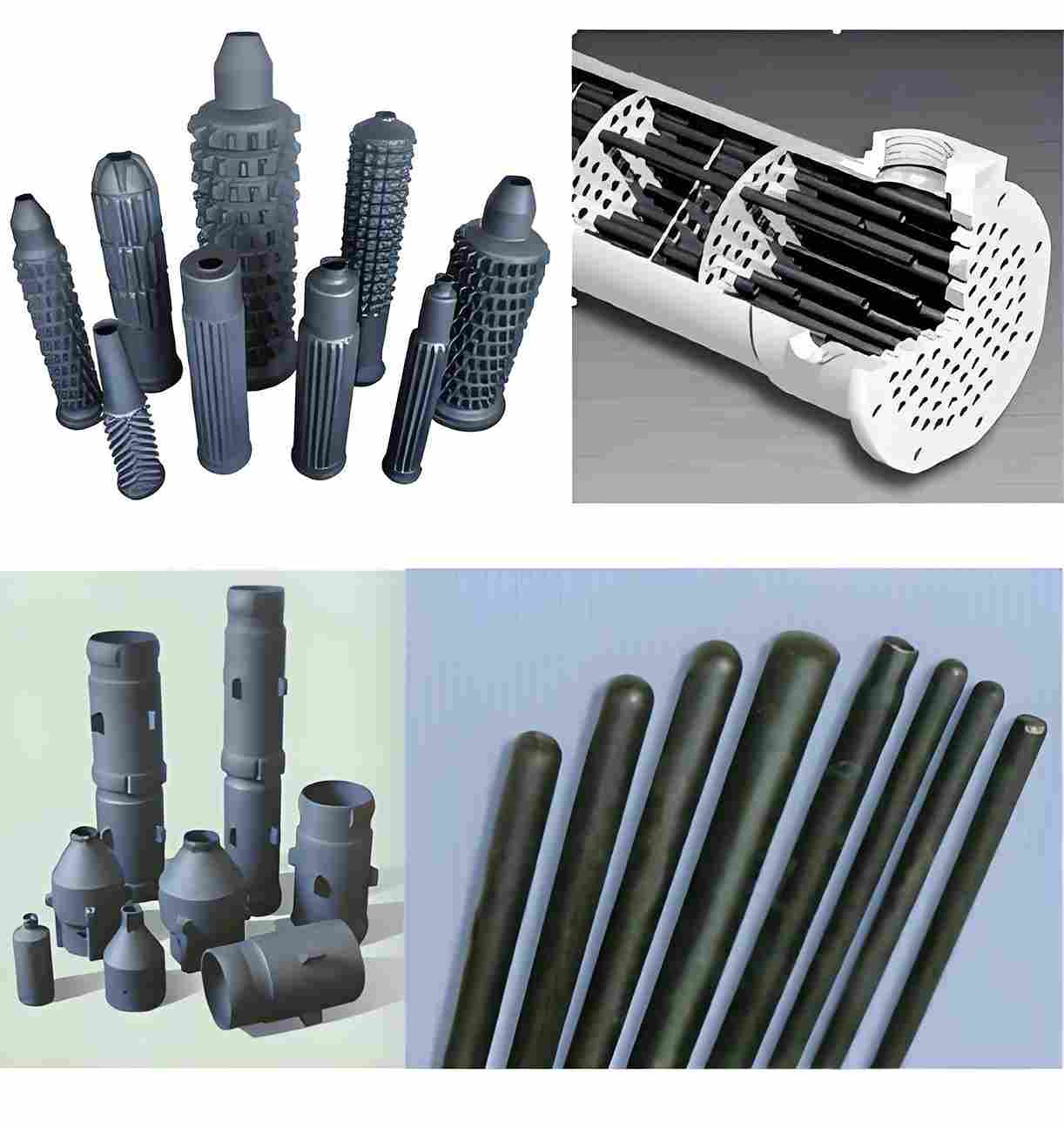
Silicon carbide (SiC) is rapidly becoming the material of choice for modern wastewater treatment plants that demand high‑temperature stability, chemical resistance, and long service life.
Why Choose Silicon Carbide for Wastewater Treatment?
In a typical treatment line, components such as diffuser plates, filter cartridges, and high‑temperature reactors face aggressive media: sulfides, chlorides, acidic or alkaline sludges, and temperatures that can exceed 300 °C during thermal oxidation or sludge drying. Conventional metals corrode, while alumina ceramics crack under thermal shock. SiC offers a rare combination of:
- Exceptional hardness (≈9.5 Mohs) – reduces wear on moving parts.
- Thermal conductivity up to 120 W/m·K – dissipates heat quickly, preventing hot spots.
- Oxidation resistance up to 1,600 °C – ideal for high‑temperature oxidation units.
- Chemical inertness against acids, bases, and halides – eliminates the need for costly corrosion inhibitors.
These properties translate into lower downtime, fewer replacement parts, and a clearer return on investment.
Key Benefits of SiC in Wastewater Systems
1. Extended Service Life
Field data from European membrane facilities show that SiC ceramic tubes operate 2.5–3 times longer than stainless‑steel alternatives in high‑pH environments. A 2022 study reported a mean lifespan of 8 years for SiC diffuser plates versus 3 years for titanium equivalents.
2. Energy Savings
Because SiC conducts heat efficiently, thermal‑oxidation units reach target temperatures 15‑20 % faster, cutting fuel consumption. In a pilot plant in North Carolina, switching to SiC‑lined reactors reduced natural‑gas usage by 18 % over six months.
3. Reduced Maintenance Costs
Maintenance logs from a German pulp‑and‑paper mill indicate a 40 % drop in unplanned shutdowns after installing SiC ceramic nozzles on their ultrafiltration skids. The primary cause was the elimination of nozzle clogging caused by abrasive silica particles.
4. Compatibility with Existing Designs
SiC components can be fabricated to standard dimensions (e.g., ½‑inch, 1‑inch, 2‑inch tubes) or to custom specs drawn from CAD files. This flexibility allows retrofits without major redesigns.
Common Applications in Wastewater Treatment
- Membrane Filtration – SiC ceramic membranes resist fouling and can be back‑flushed at high pressure.
- Thermal Oxidizers – SiC tubes and burners endure repeated heating cycles.
- Sludge Dryers – SiC plates serve as heat exchangers, improving drying efficiency.
- Diffuser Systems – SiC porous plates generate fine bubbles for aerobic treatment.
- Corrosion‑Resistant Valves – SiC seals and seats prevent leakage in aggressive chemical streams.
Design & Installation Tips
- Match Thermal Expansion: SiC’s coefficient (~4.5×10⁻⁶ K⁻¹) is close to that of stainless steel, allowing mixed‑material assemblies without excessive stress.
- Seal Selection: Pair SiC components with compatible polymer or metal seals. For high‑temperature zones, use SiC ceramic seal rings to avoid gasket creep.
- Handling: Although SiC is tough, thin plates (<5 mm) can chip if dropped. Use padded fixtures during installation.
- Cleaning: High‑pressure water jets (≤200 bar) clean SiC surfaces without damage, while ultrasonic cleaning removes fine particulates.
- Quality Verification: Request a Certificate of Analysis (COA) and dimensional inspection report for each batch.
Case Study: Reducing Downtime with SiC Ceramic Tubes
Client: A leading U.S. municipal wastewater authority.
Problem: Their existing titanium diffusion tubes cracked after 1.8 years of operation in a high‑alkalinity basin, causing an 8‑day production halt and $12,000 in lost revenue.
Solution: ZIRSEC supplied custom SiC ceramic tubes (Ø 25 mm, 1 m length) with a tolerance of ±0.2 mm. The tubes were installed in a phased approach to keep part of the system online.
Result: After 24 months, the SiC tubes showed no signs of wear or cracking. Maintenance visits dropped from quarterly to semi‑annual, and the authority reported a 22 % reduction in overall chemical usage due to improved diffusion efficiency.
Read more about our SiC tube portfolio here.
Choosing the Right Supplier
When evaluating SiC providers, focus on the following five criteria:
- Technical Support – Does the supplier offer engineering assistance, CAD‑to‑part translation, and on‑site troubleshooting?
- Inventory Availability – Standard sizes should be in stock for rapid dispatch (24‑48 h for most items).
- Customization Capability – Ability to produce non‑standard dimensions, complex geometries, or surface finishes (e.g., Ra 0.8 µm).
- Quality Documentation – COA, Material Safety Data Sheet (MSDS), and third‑party testing reports.
- Logistics Reliability – Proven track record of on‑time delivery to ports in the U.S., EU, and Japan.
ZIRSEC checks all these boxes: 20 years of SiC ceramic production, in‑house CNC grinding, and a dedicated export team that handles customs paperwork, insurance, and freight forwarding.
FAQ – Quick Answers for Engineers
- Can SiC components be used in sub‑zero wastewater processes?
- Yes. SiC retains its mechanical strength down to –200 °C, making it suitable for cryogenic pretreatment lines.
- What is the typical cost premium of SiC over stainless steel?
- Initial material cost is 1.5–2 × higher, but life‑cycle analysis often shows a 30‑40 % total cost reduction thanks to fewer replacements and lower energy use.
- Do I need special welding equipment for SiC?
- No. SiC parts are joined using mechanical fasteners, high‑temperature adhesives, or ceramic‑filled epoxy, avoiding the complexity of brazing.
- How do I verify that a SiC part meets my tolerance requirements?
- Ask the supplier for a full inspection report (CMM measurements) and request a sample before full‑scale production.
\n
Bottom Line
Silicon carbide brings together high‑temperature tolerance, chemical inertness, and mechanical durability in a single material package that directly addresses the biggest pain points of wastewater treatment facilities: corrosion, wear, and energy waste. By partnering with an experienced manufacturer such as ZIRSEC, engineers can obtain custom‑fit SiC components, fast delivery, and the technical backing needed to keep plants running smoothly and profitably.