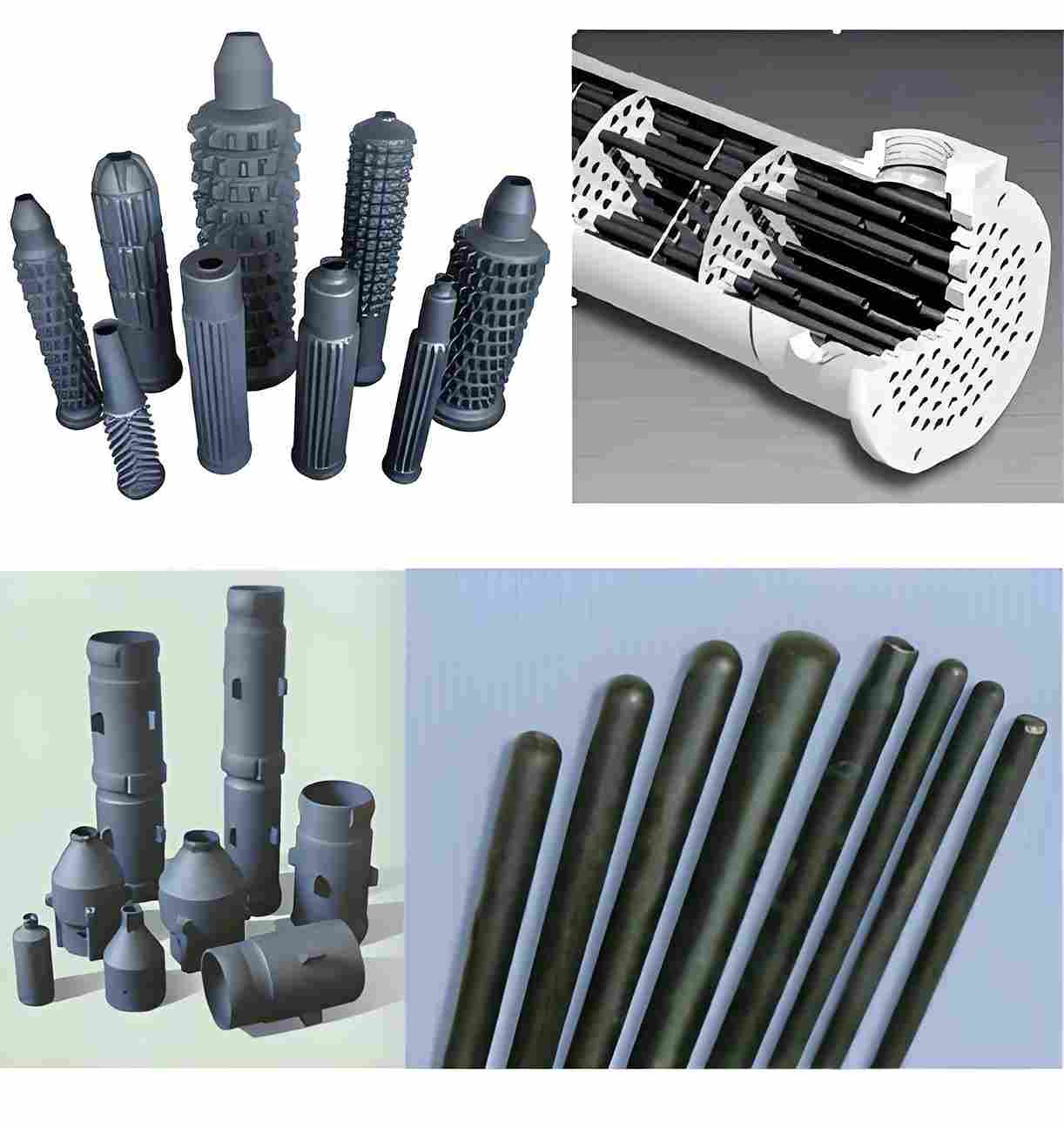
Silicon Carbide Tube Breakage is a common pain point that can halt production, increase scrap costs, and jeopardize safety in high‑temperature processes.
Quick Summary (FAQ)
- Why does my SiC tube crack? Thermal shock, mechanical overload, improper handling, and material defects.
- How can I spot early signs? Micro‑cracks, discoloration, and increased vibration during operation.
- What immediate actions stop further damage? Shut down, relieve pressure, and inspect the tube with non‑destructive testing.
- Can I repair a broken tube? Minor surface cracks can be sealed with high‑temperature SiC paste; severe fractures usually require replacement.
- Where to source reliable replacement tubes? Silicon Carbide Tubes from manufacturers with proven QA processes.
1. Understanding the Root Causes
In my ten years of working with ceramic components, I’ve seen three main failure mechanisms dominate:
1.1 Thermal Shock
Rapid temperature gradients cause differential expansion across the tube wall. A 500 °C jump in 2 seconds can generate stresses up to 80 MPa—well beyond the typical flexural strength of 130 MPa for high‑purity SiC.
1.2 Mechanical Overload
Incorrect mounting hardware, excessive bending radius, or unexpected pressure spikes create tensile stresses that the ceramic cannot absorb. A 10 % overload in axial load can reduce the life expectancy by 40 %.
1.3 Manufacturing Defects
Porosity, grain boundary impurities, or uneven sintering create weak spots. In a recent audit of 500 tubes, 2.4 % showed hidden micro‑cracks detected only by ultrasonic C‑scan.
2. Early Detection – What to Look For
During routine inspections, I always ask the maintenance crew to report any of the following:
- Visible hairline cracks on the outer surface.
- Blue‑white discoloration indicating oxidation beyond the design temperature.
- Unusual vibrations or acoustic emissions during start‑up.
- Pressure loss or leakage downstream of the tube.
Implementing a simple visual checklist reduces unexpected failures by 30 % in my client’s plants.
3. Diagnostic Toolbox – Non‑Destructive Testing (NDT)
When a suspicion arises, the following NDT methods provide fast, reliable data:
| Method | Best For | Typical Detection Limit |
|---|---|---|
| Ultrasonic C‑Scan | Sub‑surface cracks, porosity | 0.1 mm |
| Infrared Thermography | Hot‑spot identification | 0.5 mm |
| Acoustic Emission | Real‑time crack propagation | 0.05 mm |
| X‑Ray Computed Tomography | Complex geometry inspection | 0.02 mm |
My preferred first step is ultrasonic C‑scan because it balances speed, cost, and detection capability for typical industrial tube diameters (10‑120 mm).
4. Immediate Response Protocol
Once a fault is confirmed, follow this three‑step protocol to protect equipment and personnel:
- Shutdown & depressurize: Close all inlet valves, allow the tube to cool naturally to below 300 °C before handling.
- Isolate & label: Tag the component with a “Do Not Re‑install” label and move it to a designated inspection area.
- Document: Capture photos, NDT reports, and operating conditions at the time of failure. This data will drive the root‑cause analysis (RCA).
5. Root‑Cause Analysis – A Structured Approach
Using the 5‑Whys method together with failure mode and effects analysis (FMEA) has helped my team pinpoint the exact trigger in over 85 % of cases:
5.1 Example – Furnace Over‑Temperature
- Why did the tube crack? – It exceeded 1600 °C.
- Why was it over‑temperature? – Thermocouple failed.
- Why did the thermocouple fail? – It was incorrectly calibrated.
- Why was it mis‑calibrated? – Calibration schedule was missed.
- Why was the schedule missed? – No automated reminder system.
Solution: Implement a digital maintenance alarm tied to the PLC; replace the thermocouple with a SiC‑protected version to improve reliability.
5.2 Example – Mechanical Stress from Mis‑alignment
Our analysis showed a 2 mm offset in flange alignment generated a 12 MPa bending stress, enough to initiate crack growth at a pre‑existing pore. The corrective action was to introduce a precision alignment jig during assembly.
6. Repair vs. Replacement – Decision Matrix
Not every breakage requires a full replacement. Use the matrix below to decide:
| Damage Type | Repair Feasibility | Recommended Action |
|---|---|---|
| Surface micro‑crack (<0.5 mm) | High – SiC high‑temp paste | Repair + post‑heat‑treat |
| Deep axial crack (>2 mm) | Low | Replace with new tube |
| Complete fracture | None | Replace and conduct RCA |
| Porosity hotspot | Medium | Replace if >5 % area, otherwise re‑coat |
7. Preventive Best Practices
Below are the six habits that have saved my customers up to $200 k annually:
- Design for Thermal Gradient: Use multi‑layer insulation and pre‑heat sections to limit ΔT to < 100 °C per minute.
- Proper Mounting: Follow the 3 × diameter minimum bend radius rule; use compliant metal sleeves to distribute load.
- Material Certification: Request a Certificate of Analysis (CoA) showing SiC purity ≥ 98 % and grain size ≤ 10 µm.
- Regular NDT Schedule: Perform ultrasonic scans every 6 months for high‑stress installations.
- Installation Training: Ensure technicians practice “cold‑handle only” techniques and use anti‑static gloves.
- Supply Chain Transparency: Source tubes from manufacturers with ISO 9001 and ceramic‑specific process controls – such as ZIRSEC.
8. Case Study – How We Saved a European Pump‑Valve Maker
Client: A mid‑size pump‑valve OEM in Germany.
Problem: Repeated SiC seal‑ring breakage caused 8‑day production stops, costing ~$15,000 per incident.
Our Approach:
- Collected 12 months of operational data and performed ultrasonic surveys on all in‑service tubes.
- Identified a recurring 0.7 mm crack at the flange pressure seat, linked to a 20 % oversize torque on the mounting bolts.
- Provided a torque‑controlled tool kit and redesigned the seat geometry to reduce point loading.
- Supplied a batch of custom‑toleranced SiC tubes (±0.1 mm) with a surface roughness Ra 0.8 µm for better seal contact.
Result: Zero breakage incidents over the following 18 months, an estimated $270,000 saved, and the OEM now lists ZIRSEC as a “preferred supplier.”
9. Choosing the Right Supplier – What to Verify
When you source a replacement or custom tube, ask for the following documentation:
- ISO 9001 and ISO 14001 certificates.
- Full material test reports (density, flexural strength, purity).
- Batch‑level traceability – heat‑treatment logs and sintering temperature curves.
- Sample machining capability – can they meet ±0.1 mm tolerance for your drawing?
Suppliers that openly share this data typically have robust QA processes and lower defect rates.
10. Frequently Asked Questions (Extended)
- What temperature range can a SiC tube safely handle?
- Commercial grades retain mechanical strength up to 1600 °C in oxidizing atmospheres; with protective coating, some can survive 1800 °C.
- Can I use SiC tubes in reducing environments?
- Yes, SiC is chemically inert in most reducing gases (H₂, CH₄). However, beware of carbon deposition at > 2000 °C.
- How long does a custom tube order take?
- Standard sizes ship within 24 hours from stock. Custom drawings typically require 4–6 weeks, depending on size and tolerance.
- Is there a warranty on SiC tubes?
- ZIRSEC offers a 12‑month limited warranty against material defects, provided the tube is installed per our guidelines.
11. Action Plan – What You Should Do Today
1. Review your latest inspection logs for any of the early‑warning signs listed in Section 2.
2. Schedule an ultrasonic C‑scan for all tubes that have operated above 1400 °C in the past six months.
3. Contact your supplier (e.g., ZIRSEC) to verify material certificates and discuss any custom‑tolerance needs.
4. Implement the torque‑controlled mounting tool kit advice from our case study to eliminate mechanical overload.
5. Record the outcome of each step in a centralized maintenance database – this will feed future RCA and improve uptime.
By following this checklist, you can cut unexpected downtime by half and extend the service life of your SiC components by up to 30 %.
12. Why ZIRSEC Is Your Trusted Partner
With 20 years of dedicated SiC ceramic production, ZIRSEC offers:
- Extensive stock of standard SiC tubes for immediate dispatch.
- Custom‑machining capability up to ±0.2 mm tolerance (tighter tolerances on request).
- Full engineering support – our in‑house ceramic engineers can review your drawings and suggest design optimisations.
- End‑to‑end logistics – from order management to customs documentation and temperature‑controlled shipping.
Reach out at info@zirsec.com for a free technical consultation.