Industrial furnaces operate under extreme thermal, chemical and mechanical stress. Repeated heating cycles, abrasive loads and corrosive atmospheres often limit furnace service life more than the heating system itself. Material selection for internal components plays a critical role in determining how long a furnace can operate reliably before shutdown, repair or replacement becomes necessary.
Why Furnace Components Fail Prematurely
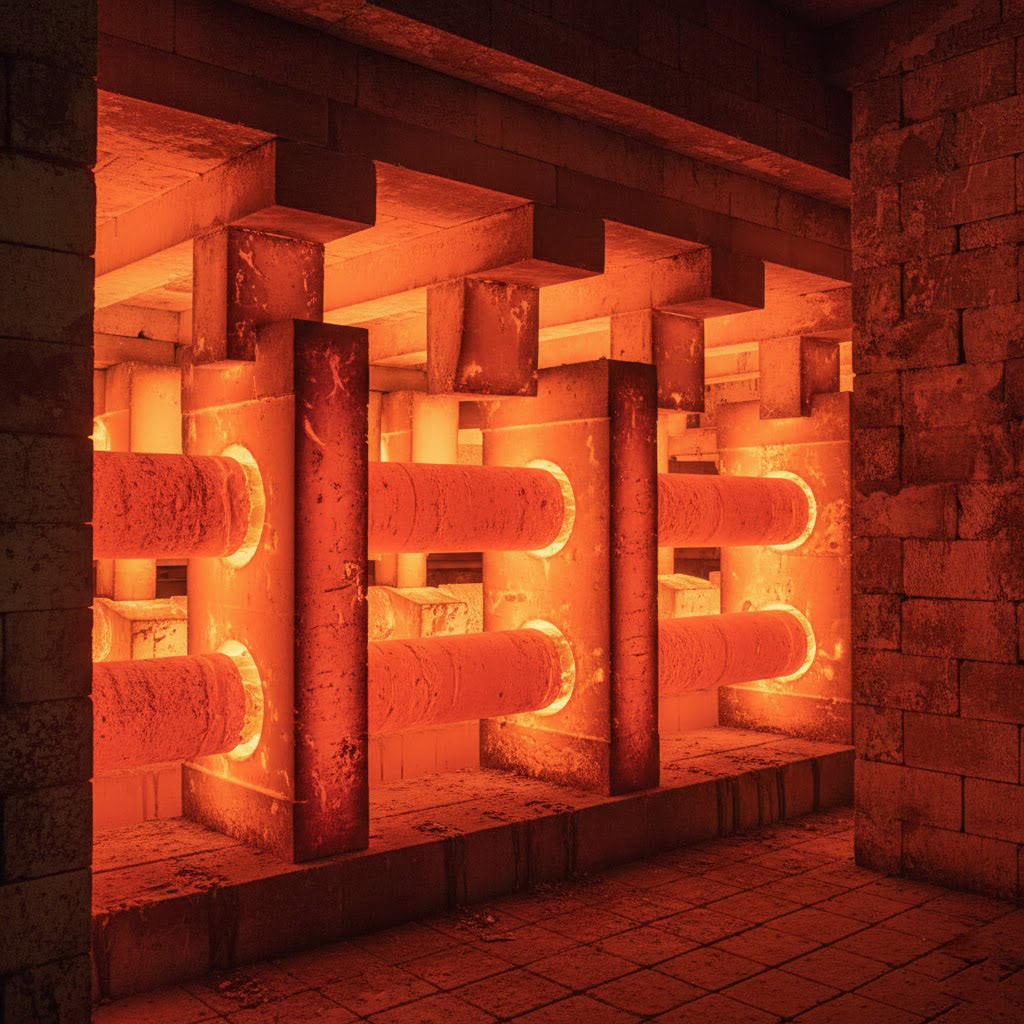
Most furnace failures are not caused by temperature alone. Thermal shock, oxidation, mechanical wear and chemical attack work together to degrade traditional refractory and metal components. Warping, cracking and surface erosion reduce dimensional stability, leading to misalignment, uneven heating and unplanned downtime.
The Role of Advanced Ceramics in Furnace Longevity
Advanced ceramics are increasingly specified in industrial furnaces to address failure mechanisms that conventional materials cannot handle. Among these materials, silicon carbide ceramics stand out due to their combination of high-temperature strength, thermal conductivity and wear resistance.
Key Properties of Silicon Carbide in Furnace Applications
High-Temperature Stability
Silicon carbide maintains mechanical strength at temperatures exceeding 1400°C, making it suitable for continuous high-temperature furnace operation without deformation.
Excellent Thermal Shock Resistance
Rapid heating and cooling cycles often cause cracking in traditional refractories. SiC’s low thermal expansion and high thermal conductivity reduce internal stress during temperature changes.
Superior Wear and Oxidation Resistance
In furnaces handling moving loads, abrasive materials or reactive atmospheres, silicon carbide resists surface degradation far better than metals or alumina-based refractories.
Typical Furnace Components Upgraded to Silicon Carbide
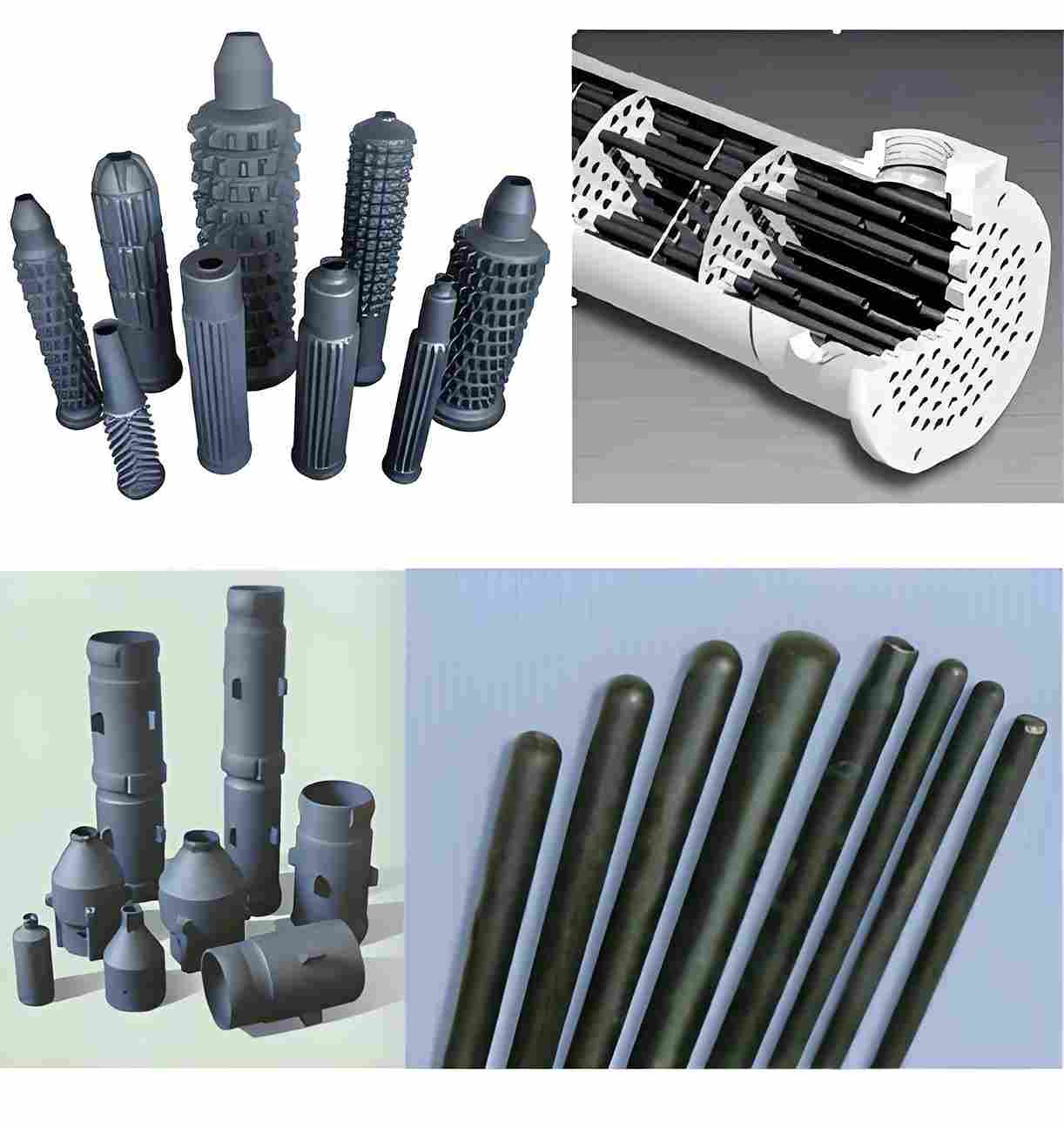
Silicon carbide is widely used for furnace rollers, beams, tubes, kiln furniture and heating elements. These components directly affect load handling, temperature uniformity and overall furnace efficiency.
Zirsec Silicon Carbide Furnace Solutions
Zirsec supplies a wide range of silicon carbide furnace components including Silicon Carbide Rollers, Silicon Carbide Beams and Silicon Carbide Tubes. With flexible production lines, controlled sintering processes and CNC machining capability, Zirsec supports both standard replacements and drawing-based customization for furnace OEMs and end users.
Case Example: Extending Furnace Operating Cycles
A metallurgy furnace operating above 1350°C experienced frequent roller deformation and surface spalling using conventional refractory materials. Zirsec provided silicon carbide rollers optimized for load and temperature conditions. After installation, roller service life increased significantly, maintenance intervals were extended and unplanned shutdowns were reduced.
Service Life Comparison of Furnace Materials
| Material | Max Operating Temperature | Wear Resistance | Thermal Shock Resistance | Typical Service Life |
|---|---|---|---|---|
| Refractory Materials | ≤1300°C | Low | Low | Short |
| Metal Alloys | ≤1100°C | Moderate | Low | Limited |
| Silicon Carbide | ≥1400°C | High | High | Long |
FAQ: Silicon Carbide Ceramics in Industrial Furnaces
Can silicon carbide replace existing furnace materials directly?
In many cases, SiC components are designed to match existing dimensions for direct replacement, but operating conditions should be reviewed.
Does silicon carbide improve furnace energy efficiency?
High thermal conductivity helps improve heat transfer and temperature uniformity.
Is SiC suitable for continuous furnace operation?
Yes. Silicon carbide performs well in continuous high-temperature environments.
Does Zirsec support small batch furnace component orders?
Zirsec supports small-batch customization and fast sampling for furnace upgrades.
Consult Zirsec for Extending Furnace Service Life
If your industrial furnace suffers from frequent component failure or excessive maintenance, Zirsec can help evaluate silicon carbide upgrades tailored to your operating conditions. Contact our engineering team to improve reliability, reduce downtime and extend furnace service life.