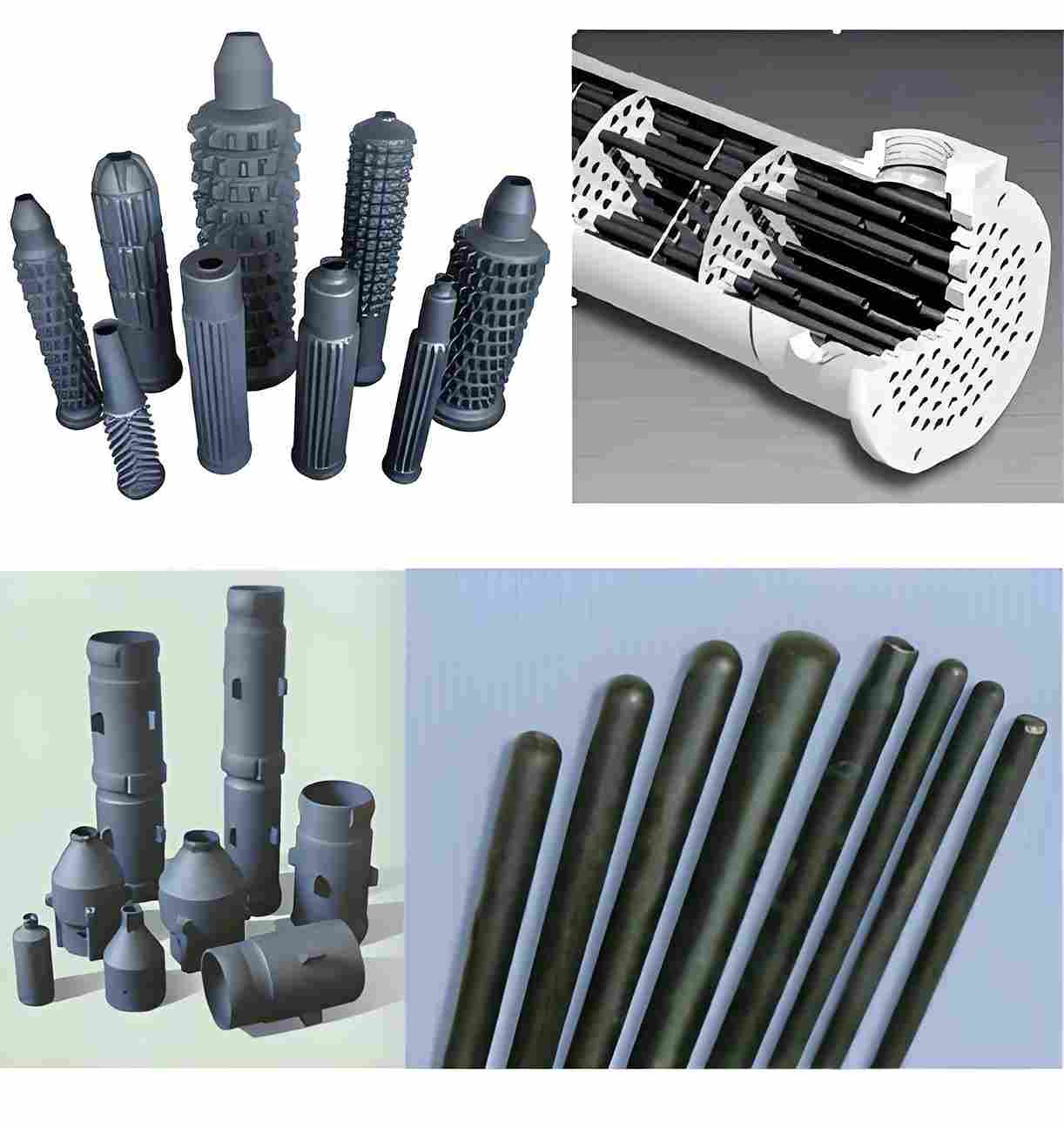
Sulfuric acid is one of the most aggressive chemicals handled in industrial pumping and valve systems. Concentration, temperature and flow conditions combine to accelerate corrosion, erosion and sealing failure. While metals and polymers are often used in low-demand service, ceramic materials are frequently required once sulfuric acid concentration or operating temperature increases. Among available ceramic options, silicon carbide has become the leading choice for long-term reliability.
Why Sulfuric Acid Is Especially Challenging for Pumps and Valves
Sulfuric acid attacks materials through both chemical corrosion and temperature-driven degradation. In pumps and valves, corrosion is often accompanied by abrasive wear from impurities or crystallized solids. Localized attack at sealing surfaces, sleeves and valve internals quickly leads to leakage and loss of control. Material selection must therefore address chemical resistance, wear stability and dimensional integrity at the same time.
Common Ceramic Options in Sulfuric Acid Service
Alumina Ceramics
Alumina offers good hardness and acceptable corrosion resistance in some chemical environments, but its performance in concentrated or hot sulfuric acid is limited. Over time, surface degradation and wear can compromise sealing performance, especially in dynamic components such as pump sleeves and valve seats.
Zirconia Ceramics
Zirconia provides higher fracture toughness than alumina, which helps resist mechanical shock. However, its chemical resistance in strong sulfuric acid and its wear behavior in abrasive conditions are often insufficient for long-term pump and valve service.
Why Silicon Carbide Leads in Sulfuric Acid Applications
Exceptional Chemical Resistance
Silicon carbide demonstrates excellent resistance across a wide range of sulfuric acid concentrations and temperatures. Unlike metals that rely on passive films, SiC remains chemically stable, reducing the risk of localized corrosion and surface pitting.
Superior Wear and Erosion Resistance
In sulfuric acid systems containing solids or crystallized deposits, wear accelerates failure. Silicon carbide’s extreme hardness limits erosion and preserves critical dimensions such as sealing faces and flow paths.
Dimensional Stability for Sealing Integrity
SiC maintains shape and surface flatness under chemical attack and thermal cycling. This stability is essential for maintaining tight sealing in pumps and valves over long operating periods.
Typical Pump and Valve Components Upgraded to Silicon Carbide
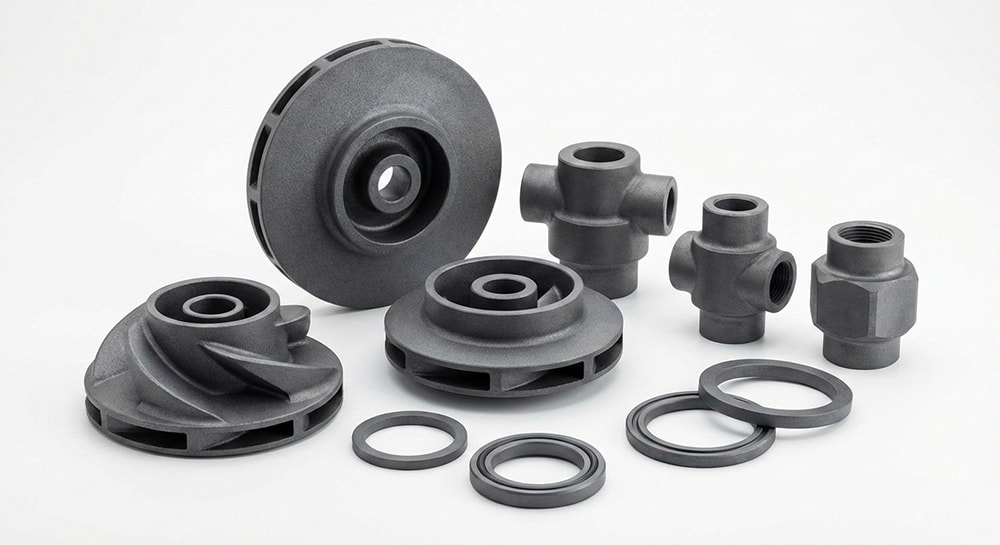
In sulfuric acid service, silicon carbide is commonly specified for mechanical seal faces, shaft sleeves, bushings, valve seats and liners. These components are often the first to fail when metals or lower-grade ceramics are used.
Zirsec Silicon Carbide Solutions for Acid Service
Zirsec supplies precision-engineered Silicon Carbide Sealing Components and custom SiC pump and valve parts designed for sulfuric acid environments. With support for drawing-based customization, controlled tolerances and fast response, Zirsec helps chemical plants and OEMs reduce failure risk and maintenance frequency.
Engineering Case: Stabilizing Sulfuric Acid Pump Operation
A chemical plant handling concentrated sulfuric acid experienced repeated leakage and sleeve corrosion using metal and alumina components. Zirsec supported an upgrade to silicon carbide sleeves and seal faces matched to the existing pump design. After implementation, leakage incidents dropped significantly and maintenance intervals extended, improving system reliability and lowering total operating cost.
Material Comparison for Sulfuric Acid Pumps and Valves
| Material | Chemical Resistance | Wear Resistance | Service Life in H₂SO₄ | Typical Use |
|---|---|---|---|---|
| Alumina | Moderate | Moderate | Limited | Low-demand acid service |
| Zirconia | Moderate | Moderate | Limited | Shock-resistant applications |
| Silicon Carbide | Excellent | Excellent | Long | Critical pump and valve components |
FAQ: Ceramic Materials in Sulfuric Acid Service
Is silicon carbide compatible with all sulfuric acid concentrations?
SiC performs well across a wide concentration range, but operating temperature and impurities should always be considered.
Can SiC components replace metal parts directly?
Yes. Many SiC components are designed to match existing metal dimensions for direct replacement.
Why do metal components fail quickly in sulfuric acid?
Passive films break down, leading to rapid corrosion and localized attack under dynamic conditions.
Are SiC components brittle compared to metals?
SiC behaves differently than metals, but properly designed components are widely used in demanding chemical service.
Does Zirsec support small-batch orders for acid service parts?
Yes. Zirsec supports small-batch customization and fast sampling for validation.
Contact Zirsec for Silicon Carbide Solutions in Sulfuric Acid Systems
If sulfuric acid is causing repeated pump or valve failures, contact Zirsec with your operating conditions and drawings. Our engineering team will help you select silicon carbide components that improve corrosion resistance, extend service life and reduce total maintenance cost.