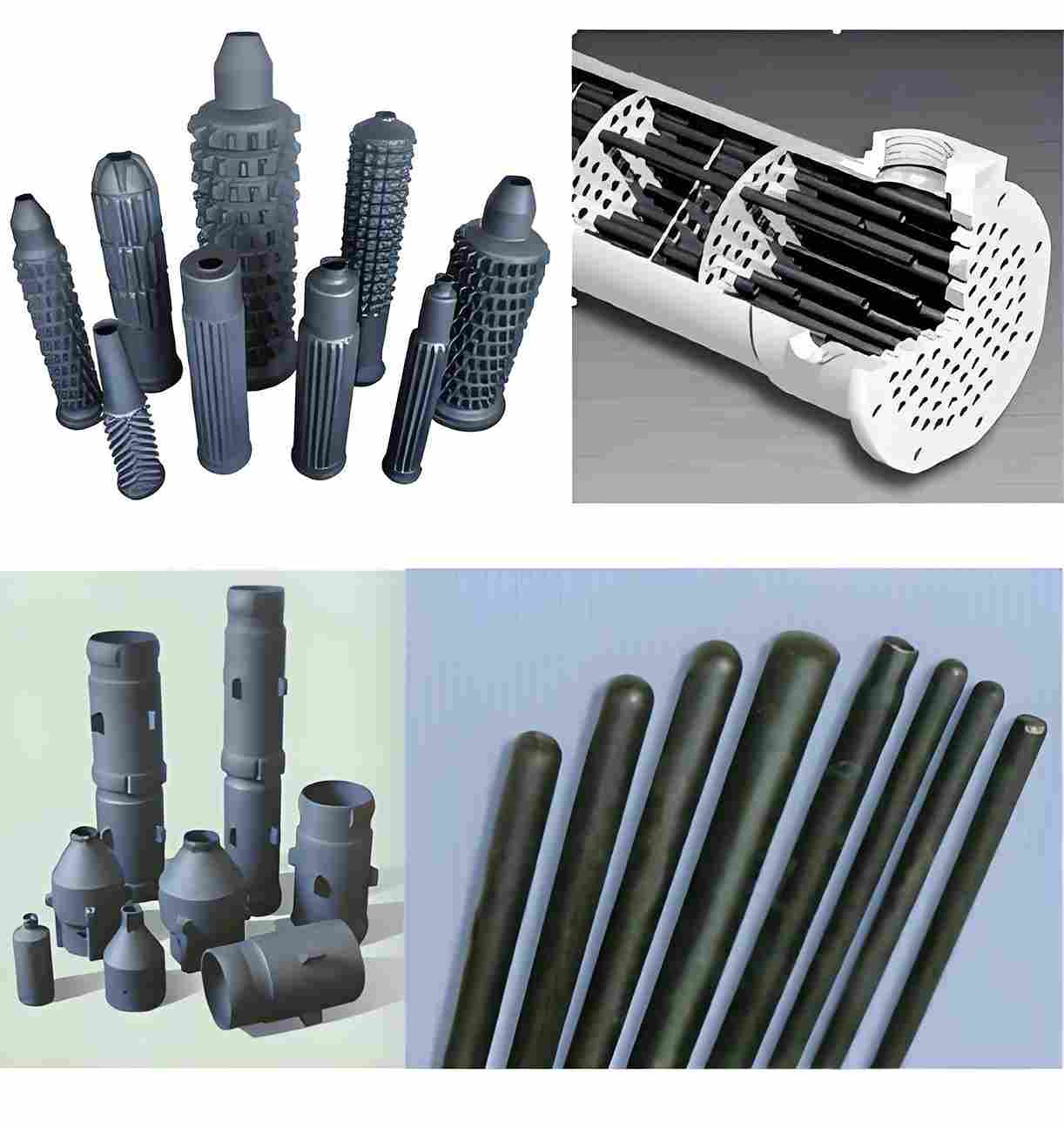
Selecting the right ceramic material for mechanical seal faces directly impacts leakage control, maintenance frequency and overall pump reliability. Alumina, zirconia and silicon carbide are all widely used ceramic seal face materials, but they are not interchangeable. Each material behaves differently under pressure, speed, chemical exposure and abrasive conditions. Understanding where each material performs well, and where it fails, is essential for avoiding premature seal failure.
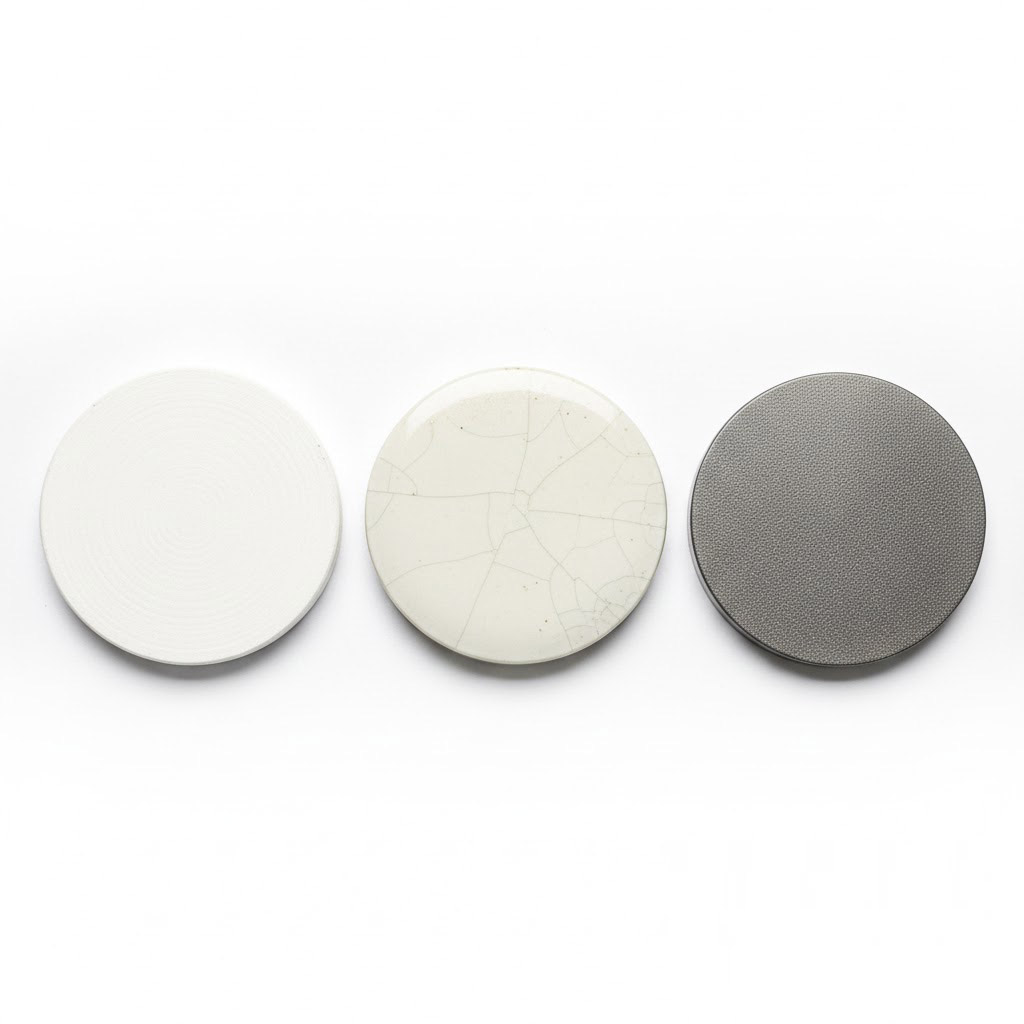
Why Seal Face Material Selection Matters More Than Seal Design
In many industrial pumps, the seal design is standardized while operating conditions vary widely. When leakage increases or seals fail prematurely, the root cause is often not spring load or installation error, but material mismatch. Seal faces must maintain flatness, resist wear and remain chemically stable while operating in thin lubrication films. The wrong ceramic choice quickly turns normal wear into accelerated failure.
Alumina Seal Faces: Cost-Effective but Limited
Alumina ceramic seal faces are commonly used in clean fluids and mild operating conditions. They offer reasonable hardness, good dimensional stability and low cost. However, alumina struggles in abrasive media and aggressive chemical environments. Once particles enter the seal interface, alumina wear accelerates, leading to face scoring and leakage growth. Alumina is best suited for low solids, neutral fluids and applications where seal replacement is easy and downtime cost is low.
Zirconia Seal Faces: Toughness with Trade-Offs
Zirconia offers higher fracture toughness than alumina, which makes it more resistant to cracking under mechanical shock. This property is attractive in applications with vibration or transient loading. However, zirconia is softer than silicon carbide and less resistant to abrasion. In slurry or particle-laden fluids, wear can still progress quickly. Zirconia is often selected when toughness is prioritized over wear resistance, but it is not ideal for severe abrasive service.
Silicon Carbide Seal Faces: The Industrial Benchmark
Outstanding Wear Resistance
Silicon carbide is significantly harder than both alumina and zirconia, making it the preferred choice for abrasive and slurry applications. Hard particles are less likely to embed or score the surface, preserving face flatness and sealing performance.
Excellent Chemical Stability
SiC maintains performance in acidic, alkaline and mixed chemical environments where alumina and zirconia may degrade or wear faster. This makes it ideal for chemical processing, wastewater and mining-related pump systems.
Stable Performance Over Long Service Life
Because silicon carbide maintains surface integrity longer, seal leakage remains stable over time. This predictability allows maintenance teams to plan service intervals instead of reacting to unexpected failures.
Typical Seal Face Pairing Strategies
Alumina is often paired with carbon graphite in clean water or light-duty service. Zirconia may be paired with carbon where impact resistance is needed. Silicon carbide is frequently paired with carbon graphite or silicon carbide itself in high-wear or corrosive environments. The correct pairing depends on fluid chemistry, solids content and shaft speed.
Zirsec Silicon Carbide Seal Face Solutions
Zirsec manufactures precision Silicon Carbide Mechanical Seal Faces for demanding industrial service. With controlled material composition, tight flatness and surface finish, Zirsec supports both OEM production and maintenance-driven replacements. Small-batch customization and fast engineering response help reduce validation time.
Engineering Case: Eliminating Repeated Seal Failures in Abrasive Service
A slurry pump system experienced repeated leakage using alumina seal faces due to rapid abrasive wear. Zirsec supported an upgrade to silicon carbide seal faces matched to the existing seal design. After installation, seal life extended several times, leakage stabilized and unplanned maintenance was eliminated, reducing total operating cost.
Seal Face Material Comparison
| Material | Alumina | Zirconia | Silicon Carbide |
|---|---|---|---|
| Hardness | Moderate | Moderate | Very high |
| Wear Resistance | Moderate | Moderate | Excellent |
| Fracture Toughness | Low | High | Moderate |
| Chemical Resistance | Moderate | Good | Excellent |
| Typical Service Life in Slurry | Short | Moderate | Long |
FAQ: Selecting Ceramic Seal Face Materials
Is alumina suitable for mechanical seals?
Yes, but mainly in clean, low-abrasion fluids where wear rates remain low.
Why choose zirconia instead of alumina?
Zirconia offers better toughness and crack resistance but does not solve abrasion issues.
Is silicon carbide always the best choice?
For abrasive, corrosive or high-demand applications, yes. For mild service, other ceramics may be sufficient.
Can silicon carbide seal faces replace existing alumina designs?
Yes. SiC seal faces are commonly manufactured to match existing dimensions.
How do I select the right seal face material?
Consider fluid chemistry, solids content, pressure, speed and acceptable maintenance interval together rather than any single factor.
Contact Zirsec for Silicon Carbide Seal Face Selection
If you are evaluating alumina, zirconia or silicon carbide for mechanical seal faces, contact Zirsec with your seal drawings and operating conditions. Our engineering team will help you select the material that delivers stable sealing performance and the lowest lifecycle cost.