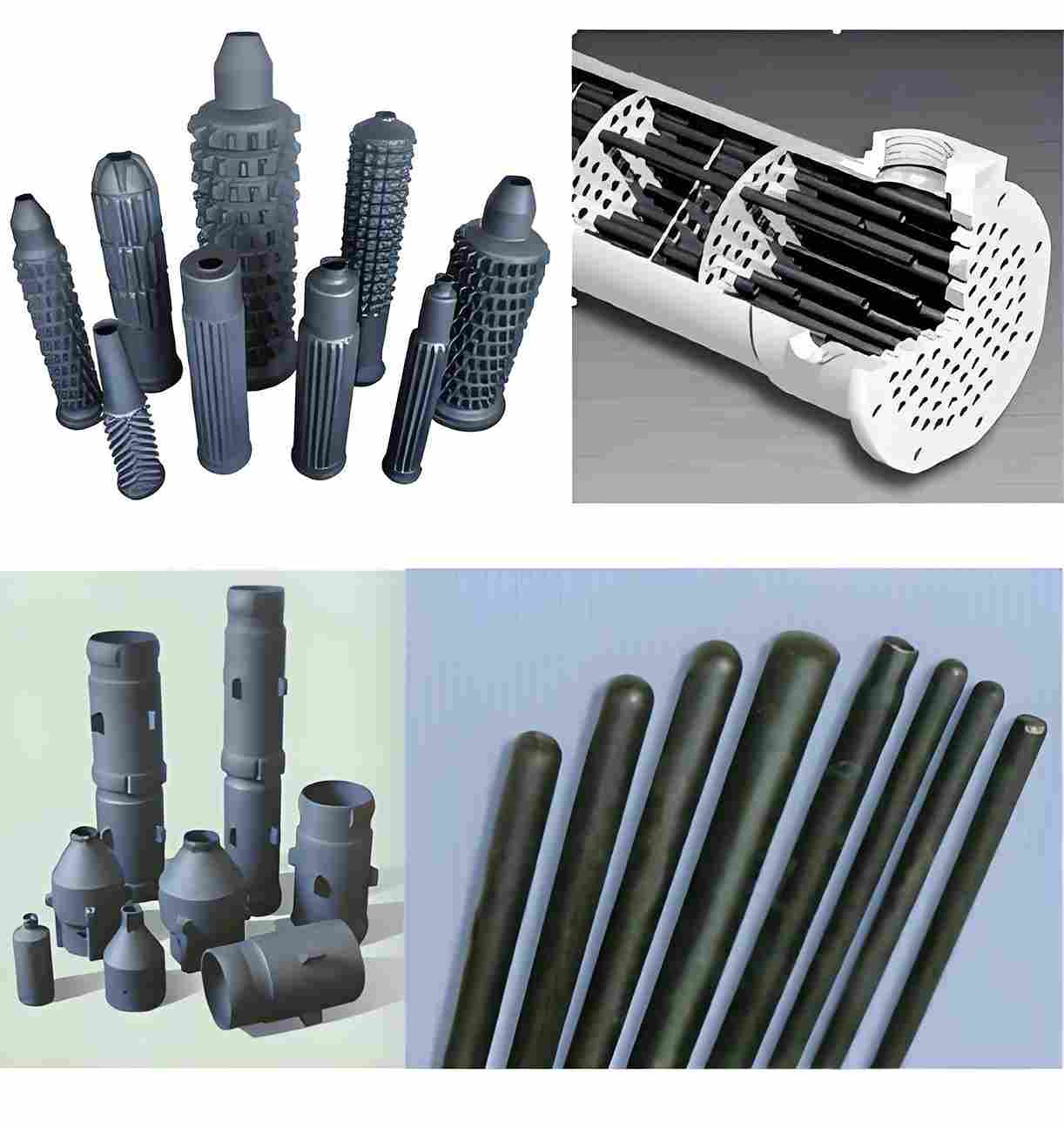
Stainless steel pump components are often selected by default, especially in early project stages or conservative designs. However, many industrial operators eventually discover that stainless steel becomes the weak link once operating conditions move beyond clean fluids and mild environments. Frequent wear, corrosion-related leakage and unplanned downtime are usually the first warning signs that it may be time to upgrade to silicon carbide pump components.
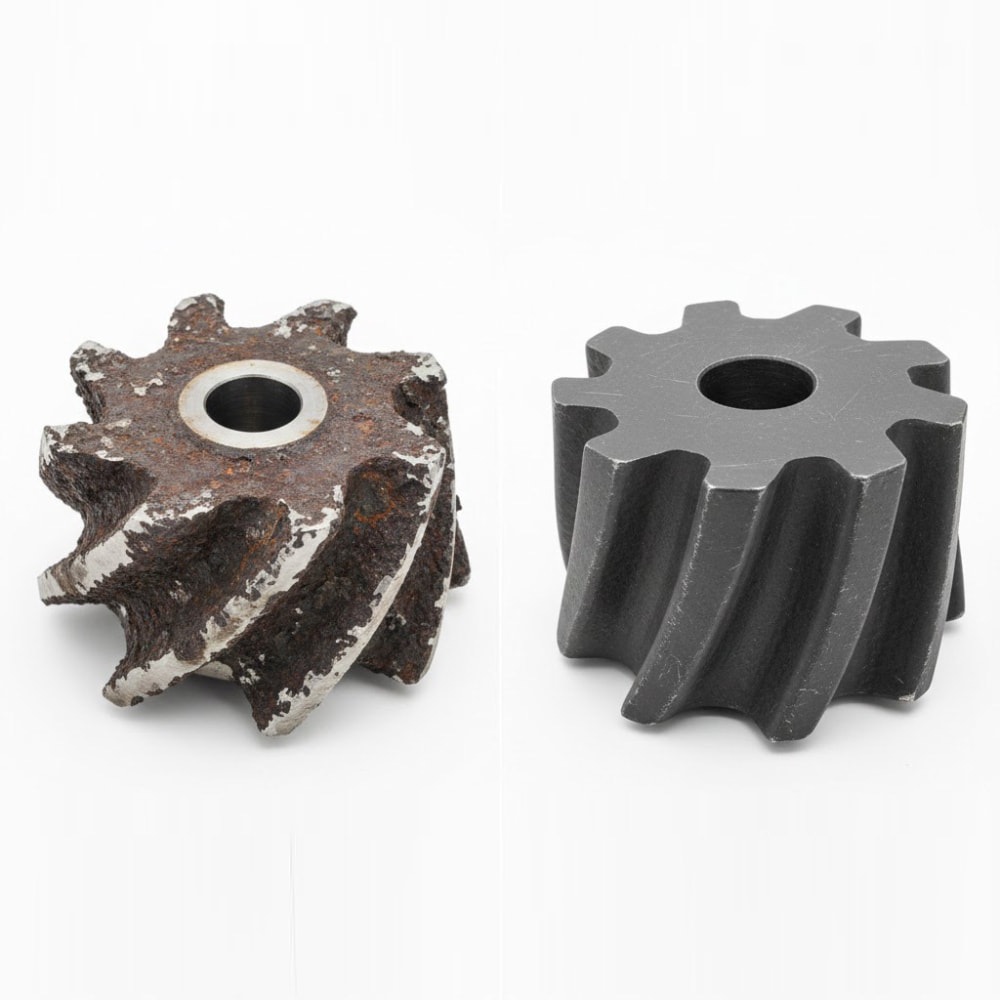
Why Stainless Steel Fails First in Demanding Pump Applications
Stainless steel relies on passive oxide films to resist corrosion. In abrasive slurries, acidic or alkaline media and chloride-rich fluids, this protective layer is continuously damaged. Once compromised, corrosion accelerates and combines with mechanical wear, leading to rapid material loss, surface pitting and dimensional instability. In pumps, these effects directly translate into leakage, vibration and efficiency loss.
Early Warning Signs That an Upgrade Is Needed
Pump systems rarely fail without warning. Repeated seal failures, increasing clearance-related efficiency loss, visible pitting on sleeves or impellers and rising maintenance frequency are clear indicators that stainless steel is operating outside its practical window. If spare parts consumption increases year over year, the material selection is no longer economically viable.
How Silicon Carbide Changes Pump Reliability
Superior Wear Resistance
Silicon carbide is significantly harder than stainless steel, making it far more resistant to abrasive wear. This property is critical for slurry pumps, chemical transfer pumps and systems handling solids or crystals.
Outstanding Chemical Stability
SiC performs reliably in acidic, alkaline and mixed chemical environments where stainless steel suffers localized corrosion, crevice attack or pitting. This stability preserves component geometry and sealing performance over long operating periods.
Dimensional Stability Under Load and Temperature
Unlike metal components that deform or wear unevenly, silicon carbide maintains shape and surface integrity, which stabilizes pump clearances and reduces secondary damage to seals and bearings.
Typical Pump Components Upgraded to Silicon Carbide
Common upgrade candidates include mechanical seal faces, shaft sleeves, bushings, wear rings and liners. In many systems, replacing only the most failure-prone stainless steel parts with silicon carbide delivers immediate reliability improvements without a full pump redesign.
Zirsec Silicon Carbide Solutions for Pump Systems
Zirsec supplies precision-machined Silicon Carbide Mechanical Seal Components and other custom SiC pump parts designed to replace stainless steel components directly. With support for drawing-based customization, tight tolerance control and fast sample delivery, Zirsec enables smooth upgrades without disrupting existing pump layouts.
Engineering Case: Reducing Downtime in Chemical Pump Service
A chemical processing plant experienced repeated pump failures caused by stainless steel shaft sleeve corrosion and seal leakage. Zirsec supported an upgrade to silicon carbide sleeves and seal faces matched to the original design. After implementation, leakage incidents dropped sharply, maintenance intervals extended and overall pump uptime improved, reducing total operating cost despite a higher initial component price.
Stainless Steel vs Silicon Carbide in Pump Components
| Selection Factor | Stainless Steel | Silicon Carbide | Operational Impact |
|---|---|---|---|
| Wear Resistance | Moderate | Excellent | Affects clearance and efficiency |
| Corrosion Resistance | Limited in harsh media | Excellent | Controls leakage and failure risk |
| Dimensional Stability | Degrades over time | Stable | Protects seals and bearings |
| Maintenance Frequency | High | Low | Direct downtime cost |
| Total Cost of Ownership | Often higher | Lower over lifecycle | Key decision metric |
FAQ: Upgrading Pump Components to Silicon Carbide
Is silicon carbide compatible with existing pump designs?
Yes. Most SiC pump components are manufactured to match existing dimensions and interfaces.
Does upgrading require replacing the entire pump?
No. Targeted replacement of high-wear stainless steel components often delivers the majority of the benefit.
Is silicon carbide brittle compared to stainless steel?
While ceramic materials behave differently from metals, properly designed SiC components are widely used in demanding pump applications.
How do I identify which components should be upgraded first?
Start with parts showing the highest wear or causing repeated failures, such as seal faces and sleeves.
Can Zirsec support small-batch upgrades?
Yes. Zirsec supports small-batch production and rapid sampling for validation before full rollout.
Contact Zirsec to Upgrade Pump Components with Silicon Carbide
If stainless steel pump components are limiting reliability or increasing maintenance cost, contact Zirsec with your drawings and operating conditions. Our engineering team will help you evaluate whether silicon carbide is the right upgrade path for improved performance and lower lifecycle cost.