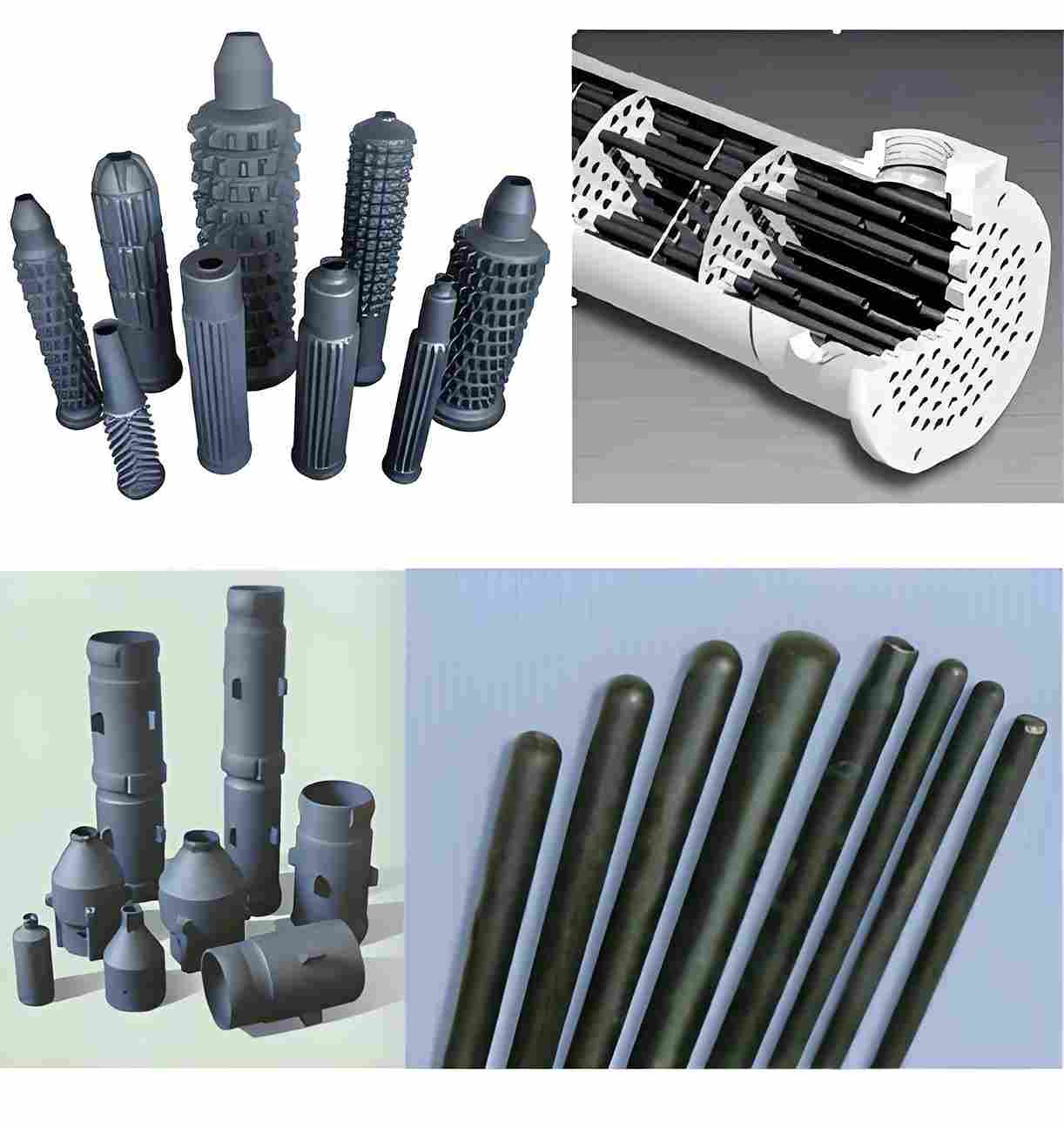
Mechanical seal failure in slurry service is rarely caused by pressure or speed alone. It is almost always driven by abrasive particles entering the seal interface and accelerating wear beyond what the material can tolerate. Carbon graphite and silicon carbide are both widely used seal face materials, but their behavior under slurry duty is fundamentally different. Understanding these differences is critical when leakage, downtime and maintenance cost are unacceptable.
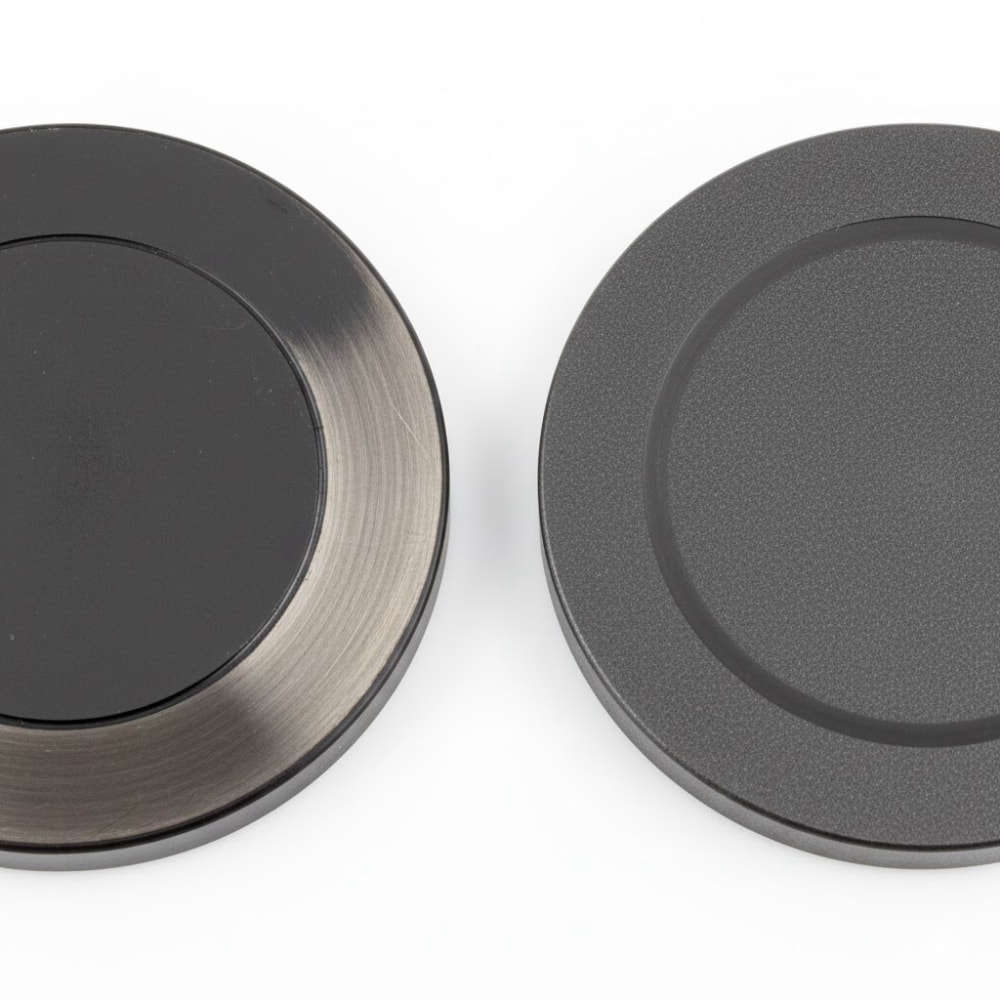
Why Slurry Duty Is a Special Case for Mechanical Seals
Slurry service introduces solid particles that disrupt the lubricating film between seal faces. Instead of smooth hydrodynamic lubrication, the interface experiences micro-abrasion, three-body wear and surface scoring. In these conditions, material hardness, wear resistance and surface stability matter more than friction coefficient alone.
Carbon Graphite Seal Faces: Strengths and Limitations
Carbon graphite is widely used in clean or lightly contaminated fluids due to its self-lubricating properties and good compatibility with metal counterfaces. In slurry duty, however, carbon graphite is vulnerable to abrasive wear. Hard particles embed into the softer carbon surface, turning the seal face into an abrasive layer that accelerates wear on both mating faces. This leads to rapid leakage increase and unpredictable seal life.
Silicon Carbide Seal Faces: Designed for Abrasive Environments
Superior Hardness and Abrasion Resistance
Silicon carbide is significantly harder than carbon graphite, making it far more resistant to particle-induced wear. Instead of embedding abrasive solids, SiC resists penetration, maintaining a stable sealing surface even in particle-laden fluids.
Stable Sealing Interface Over Time
Because silicon carbide maintains surface integrity longer, seal face flatness and contact conditions remain consistent. This stability directly reduces leakage growth and extends maintenance intervals in slurry applications.
Chemical Compatibility in Aggressive Media
Many slurry systems involve corrosive chemicals alongside solids. Silicon carbide offers excellent resistance in acidic and alkaline environments, whereas carbon graphite can degrade or oxidize depending on chemistry and temperature.
Failure Modes: Carbon Graphite vs Silicon Carbide in Slurry Duty
Carbon graphite seal faces typically fail through rapid face wear, groove formation and leakage escalation once particles enter the interface. Silicon carbide seal faces fail far more slowly, often reaching planned maintenance intervals before leakage becomes unacceptable. The difference is not marginal; it often determines whether a seal lasts weeks or months in the same slurry service.
When Silicon Carbide Should Be Specified for Slurry Seals
Silicon carbide seal faces should be specified when slurry contains hard particles, when leakage tolerance is low, or when seal access is difficult and downtime is costly. In pumps handling mineral slurries, chemical slurries or wastewater with abrasive solids, SiC is typically the safer engineering choice.
Zirsec Mechanical Seal Face Solutions
Zirsec supplies industrial-grade Silicon Carbide Mechanical Seal Faces with controlled flatness, density and surface finish for slurry duty. With support for small-batch customization and fast response to drawing-based requirements, Zirsec helps OEMs and maintenance teams reduce seal-related failures.
Engineering Case: Extending Seal Life in Abrasive Slurry Pumping
A slurry pump system experienced frequent seal leakage using carbon graphite seal faces, resulting in weekly maintenance interventions. Zirsec supported a material upgrade to silicon carbide seal faces matched to the existing seal design. After implementation, seal life increased several times, leakage stabilized and unplanned shutdowns were eliminated, significantly reducing maintenance labor and spare part consumption.
Technical Comparison: Seal Face Materials in Slurry Duty
| Performance Factor | Carbon Graphite | Silicon Carbide | Impact in Slurry Duty |
|---|---|---|---|
| Hardness | Low | Very high | Determines abrasion resistance |
| Abrasive Wear Resistance | Poor | Excellent | Controls seal life |
| Particle Embedding Risk | High | Very low | Affects leakage growth |
| Chemical Resistance | Moderate | Excellent | Stability in aggressive media |
| Typical Service Life | Short in slurry | Long | Maintenance interval planning |
FAQ: Mechanical Seal Faces in Slurry Applications
Is carbon graphite ever suitable for slurry service?
Only in very light slurry or intermittent exposure. In most continuous slurry applications, wear progresses too quickly.
Does silicon carbide increase seal friction?
While SiC is harder, properly finished seal faces maintain stable friction and are widely used in high-performance seals.
Can SiC seal faces be used with existing seal designs?
Yes. Zirsec manufactures SiC seal faces to match existing dimensions and mating materials.
What surface finish is recommended for slurry seals?
Surface finish should balance sealing performance and debris tolerance. Zirsec can recommend finishes based on slurry characteristics.
How do I know if seal failure is caused by slurry abrasion?
Visible scoring, rapid leakage increase and short seal life are typical indicators of abrasive wear.
Contact Zirsec for Slurry-Duty Silicon Carbide Seal Faces
If your mechanical seals fail prematurely in slurry service, contact Zirsec with your seal drawings and operating conditions. Our engineering team will help you specify silicon carbide seal faces that reduce leakage, extend service life and lower total maintenance cost.