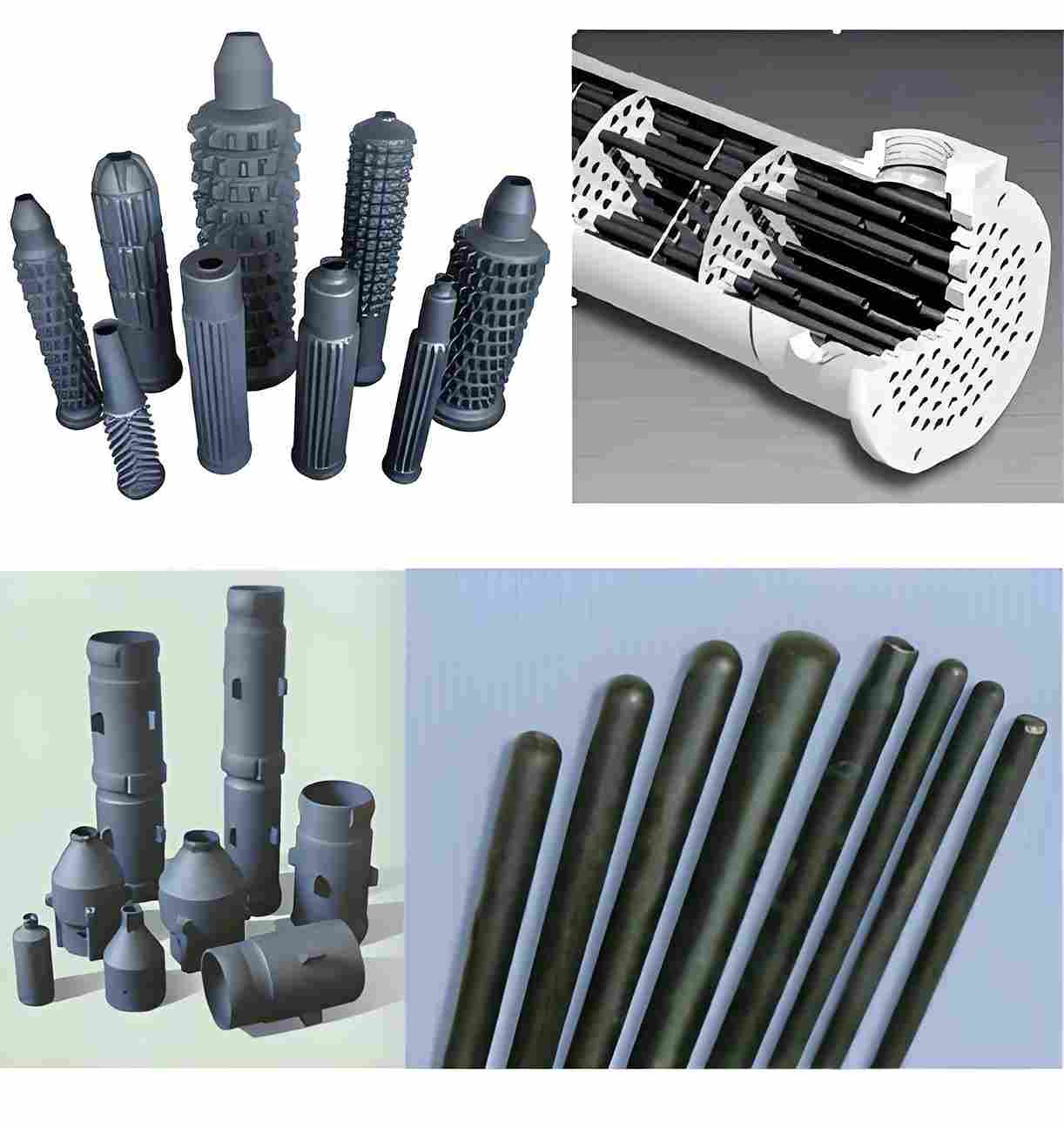
In modern metallurgy, efficiency is no longer just about melting metal. It is about energy consumption, lining life, metal cleanliness and predictable process control. Furnace operators are under pressure to deliver consistent quality while reducing downtime and operating cost.
Silicon carbide crucibles and plates play a key role in this optimisation. With high thermal conductivity, excellent wear resistance and strong performance at elevated temperatures, they help metallurgical plants unlock faster melting, longer service life and more stable processing. This article explains how silicon carbide crucibles and plates are used in metallurgy and where they create the most value.
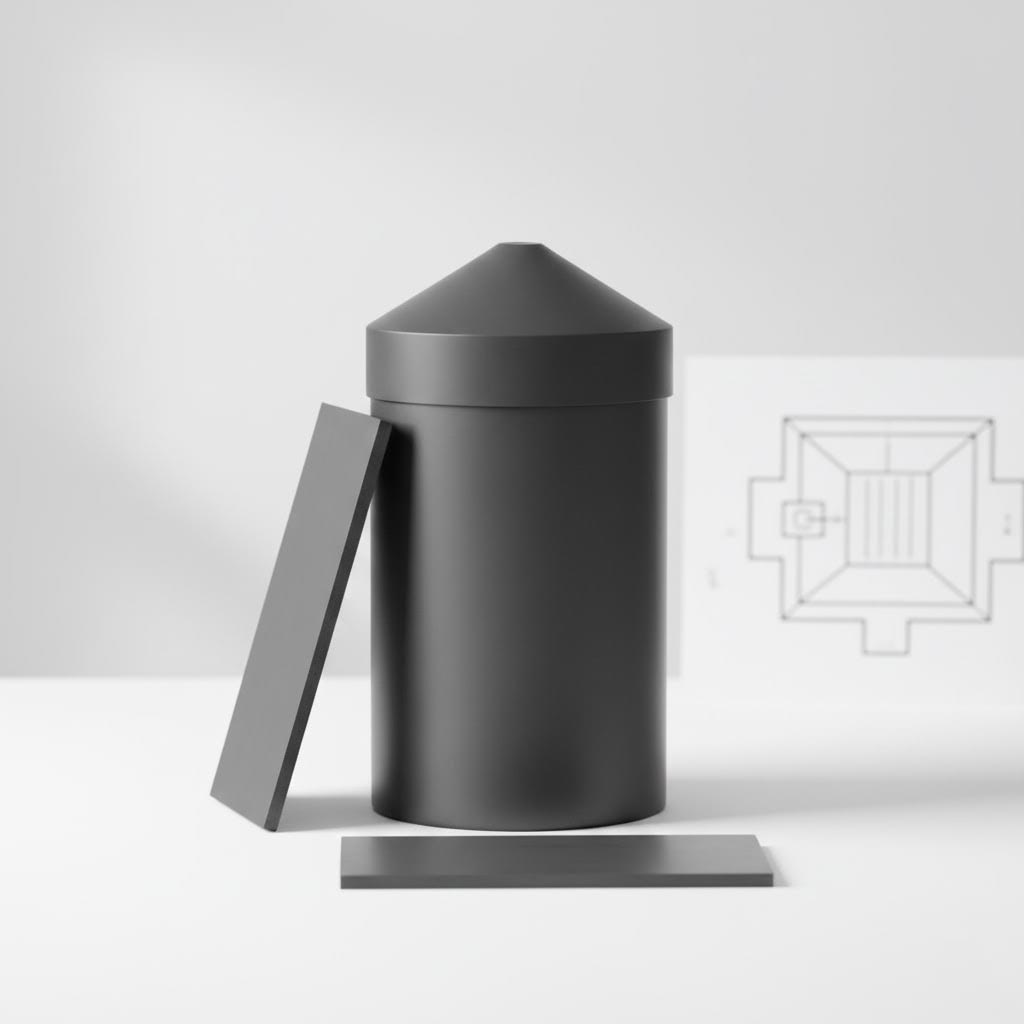
Metallurgy Today: Efficiency, Lifespan and Metal Quality
Metallurgy, broadly described in metallurgy, covers everything from alloy design to casting and heat treatment. On the shop floor, three practical goals dominate:
- Energy efficiency: achieve target temperatures with less fuel or electricity.
- Component lifetime: extend the life of crucibles, plates and furnace internals.
- Metal quality: protect molten metal from contamination and thermal instability.
Traditional materials such as basic refractories and standard ceramics can do the job, but they often limit heat transfer or suffer from rapid wear, especially in high-intensity operations.
Why Silicon Carbide Works in Metallurgical Furnaces
Silicon carbide brings a set of properties that align directly with metallurgical needs:
- High thermal conductivity: faster, more uniform heat transfer through crucible walls and plates.
- Excellent high-temperature strength: stability under load at elevated temperatures.
- Very high hardness and wear resistance: robustness against charge impact, slag and mechanical abrasion.
- Good thermal shock resistance: better tolerance to rapid heating and cooling cycles compared with many conventional ceramics.
These characteristics make silicon carbide crucibles and plates ideal for melting, holding and high-temperature support in metallurgical furnaces.
Silicon Carbide Crucibles in Metal Processing
Silicon carbide crucibles are used in induction furnaces, gas-fired furnaces, tilting furnaces and resistance furnaces. Typical applications include:
- Melting non-ferrous metals: aluminium, copper alloys, brass, bronze and precious metals.
- Holding furnaces: maintaining molten metal temperature before casting or transfer.
- Alloying and treatment: controlled addition of alloying elements and treatment agents.
Zirsec supplies industrial-grade silicon carbide crucibles designed for high-efficiency non-ferrous melting and holding, with robust performance under frequent thermal cycling.
Benefits of SiC Crucibles in Metallurgy
- Faster heat-up: high thermal conductivity supports shorter melting times.
- Improved thermal uniformity: more even temperature distribution in the metal bath.
- Longer service life: better resistance to chemical attack and thermal shock compared with many standard refractories.
- Stable geometry: maintains internal volume and wall thickness over more cycles.
In practice, this translates into fewer crucible changes, more predictable casting schedules and lower specific energy consumption per tonne of metal processed.
Silicon Carbide Plates as Structural and Wear Components
Silicon carbide plates are widely used in metallurgical plants as structural and protective elements, including:
- Furnace hearth and roof components: SiC plates serve as wear layers or structural components in high load and high heat zones.
- Charging and impact areas: plates installed where solid charge or slag hits refractory surfaces.
- Support and spacer plates: high-temperature carriers for fixtures, moulds or refractory modules.
Zirsec offers silicon carbide plates that can be cut, shaped and installed as furnace internals, wear surfaces and structural elements in metallurgy applications.
Benefits of SiC Plates in Metal Processing
- Wear resistance: withstands abrasion from scrap, ingots, slag and tools.
- Thermal stability: holds shape and thickness under repeated heating cycles.
- Design flexibility: plates can be custom-shaped to line specific high-wear areas.
Using SiC plates at the most stressed locations allows the surrounding refractories to last longer, because the silicon carbide takes the brunt of mechanical and thermal abuse.
Combining SiC Crucibles and Plates for Efficient Furnace Operation
The real gains appear when silicon carbide crucibles and plates are used together in a coherent furnace design:
- SiC crucible in the hot zone for fast melting and good metal temperature stability.
- SiC plates in charge and slag impact zones to protect furnace linings.
- SiC support plates under crucibles or refractory modules to distribute loads.
This combination helps metallurgical plants:
- Reduce unplanned downtime from lining and crucible failures.
- Maintain more consistent process temperatures.
- Lower the risk of metal contamination from degraded refractories.
Energy Efficiency: Where Silicon Carbide Makes a Difference
Energy usage is one of the biggest cost drivers in metallurgy. Silicon carbide helps in several ways:
- Higher thermal conductivity reduces the thermal barrier between heat source and metal bath.
- Faster heat-up shortens melting cycles, allowing more heats per shift.
- Stable lining conditions reduce the need to overheat to “compensate” for degraded refractories.
Over time, these effects accumulate into measurable reductions in kWh or fuel consumed per tonne of metal processed, especially in high-duty furnaces.
Material and Grade Considerations for Metallurgy
Not all silicon carbide grades are equally suitable for metallurgical service. Selection typically focuses on:
- Thermal shock behaviour: crucial for frequent charge cycles and rapid heating.
- Resistance to slags and fluxes: compatibility with the specific metallurgical chemistry.
- Mechanical strength: sufficient to handle loads, thermal gradients and impacts.
Zirsec works with sintered and reaction-bonded silicon carbide formulations for crucibles and plates, balancing thermal shock resistance, corrosion resistance and mechanical properties based on the specific furnace and alloy system.
Case Example: SiC Crucibles and Plates in a Non-Ferrous Foundry
Background
A non-ferrous foundry operating multiple gas-fired furnaces struggled with crucible cracking, lining wear near the charge impact zone and inconsistent metal temperature during peak production.
Findings
- Legacy crucibles had limited thermal shock resistance and required frequent replacement.
- Impact zones near the charge door showed deep erosion and chipping.
- Operators compensated by increasing setpoints, raising energy usage.
Solution
- Replace legacy crucibles with high-conductivity silicon carbide crucibles.
- Install silicon carbide plates in the charge impact area and high-wear lining sections.
- Optimise start-up and heating curves to match the new materials’ behaviour.
Result
- Crucible lifetime increased significantly, with fewer unexpected failures.
- Lining maintenance intervals extended as impact damage decreased.
- Energy consumption per tonne of cast metal decreased thanks to more efficient heat transfer.
FAQ – Silicon Carbide Crucibles and Plates in Metallurgy Applications
Q1. Which metals are best suited for silicon carbide crucibles?
Silicon carbide crucibles are widely used for non-ferrous metals such as aluminium, brass, bronze, copper alloys and precious metals. For each alloy system, compatibility with fluxes and slags should be reviewed, but SiC is a strong candidate wherever high thermal conductivity and high-temperature strength are needed.
Q2. Can silicon carbide crucibles be used in induction furnaces?
Yes, silicon carbide crucibles can be used in certain induction furnace designs, especially where the SiC is not the primary electrical path but acts as a high-performance refractory. The furnace design must account for the electrical and thermal behaviour of the crucible material.
Q3. Where should I place silicon carbide plates inside a metallurgical furnace?
Priority locations include charge impact zones, slag contact areas, burner or flame impact zones and regions where mechanical wear repeatedly damages the lining. Targeting these “hot spots” with SiC plates usually gives the highest reliability and efficiency gains.
Q4. How do silicon carbide crucibles and plates affect metal cleanliness?
By providing stable, high-quality surfaces that resist erosion and chemical degradation, SiC components reduce the introduction of refractory fines and reaction products into the molten metal. This helps maintain metal cleanliness and reduce inclusions related to lining breakdown.
Q5. How can Zirsec support metallurgical plants using silicon carbide components?
Zirsec provides silicon carbide crucibles, plates and custom components for metallurgical furnaces, along with application review and material selection support. By combining standard products with tailored designs for specific furnaces, Zirsec helps plants improve efficiency, extend campaign lengths and stabilise metal processing operations.
Considering silicon carbide crucibles and plates for your metallurgy operations? Start with the furnaces where crucible failures, lining wear or energy consumption are already a problem, and evaluate how SiC can turn those weak points into engineered strengths.