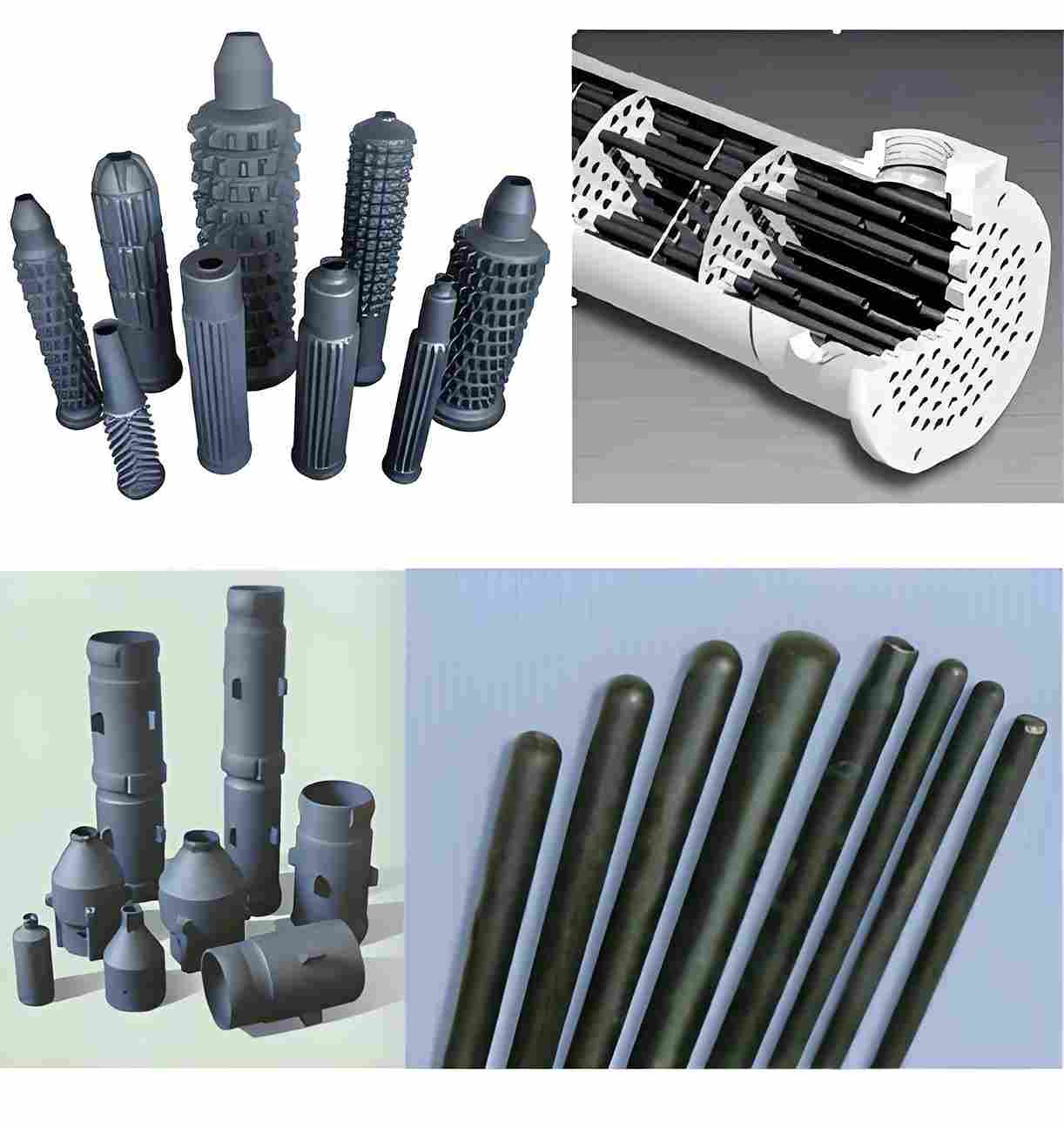
Glass furnaces are marathon runners, not sprinters. They are expected to run continuously for years under extremely high temperatures, corrosive atmospheres and strong thermal gradients. When refractories in critical zones wear out early, the result is expensive hot repairs, lower pull rates and unstable glass quality.
Silicon carbide refractories give glass manufacturers a way to reinforce these critical zones. With high thermal conductivity, excellent wear resistance and strong thermal shock behaviour, SiC materials can significantly extend furnace life and stabilise operation when used in the right locations.
This article explains where silicon carbide refractories fit in glass manufacturing, the advantages they offer and practical points to consider when specifying them.
Glass Furnaces: Extreme Conditions for Refractories
In industrial glass production, furnaces and forehearths face an aggressive combination of factors:
- High temperatures: typical melting temperatures in the 1400–1600 °C range, with hot spots even higher.
- Corrosive atmospheres: alkali vapours, batch dust, combustion gases and volatiles from raw materials.
- Mechanical wear: batch impact, flow erosion and glass contact in critical areas.
- Thermal gradients and cycling: temperature differences between walls, crown, port necks and regenerators.
Traditional refractories, discussed more generally in refractory, do a good job in bulk structural areas, but specific zones suffer accelerated wear: doghouse, throat, port necks, burners, regenerator checkers and forehearth superstructure.
Why Silicon Carbide Refractories Make Sense in Glass Manufacturing
Silicon carbide’s property profile aligns closely with the needs of glass furnaces:
- High thermal conductivity: reduces thermal gradients and helps manage hot spots.
- Very high hardness and wear resistance: resists batch impact, glass flow erosion and dust-laden gases.
- Good thermal shock resistance: tolerates temperature fluctuations better than many dense refractories.
- High-temperature strength: maintains shape and load-bearing capacity at furnace temperatures.
- Oxidation resistance: stable performance in hot, oxidising combustion atmospheres.
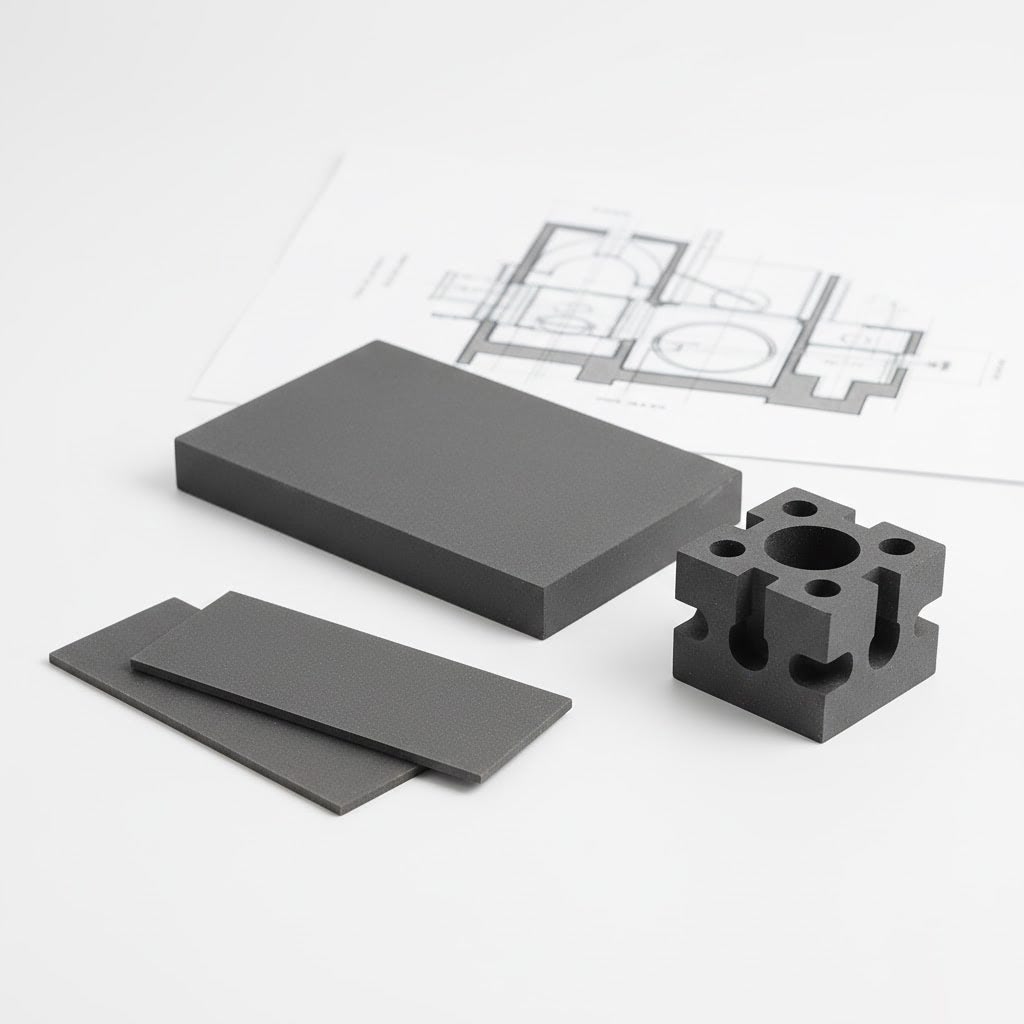
Zirsec manufactures silicon carbide plates, tiles, beams and burner components that can be engineered into glass furnace hot spots as part of a targeted life-extension strategy. Standard products such as silicon carbide plates are often used as tiles and wear layers in these areas.
Key Silicon Carbide Applications in Glass Furnaces
1. Doghouse, Throat and Glass Contact Zones
Batch enters through the doghouse and moves toward the throat, creating severe wear on the refractory surfaces:
- SiC tiles and plates in impact zones reduce erosion from batch and cullet impact.
- Wear layers in the throat area protect structural refractories from glass flow and turbulence.
- Custom SiC shapes can be installed in corners and transitions where flow concentrates.
Using silicon carbide as a sacrificial but long-lived wear layer allows the main structural refractories to survive longer campaigns with fewer hot repairs.
2. Burner Blocks, Ports and Neck Areas
Burner ports and neck areas face intense flame radiation, high gas velocities and strong thermal cycling:
- Silicon carbide burner tiles and nozzles resist flame erosion and maintain port geometry.
- SiC plates around port necks protect against local overheating and gas scouring.
Zirsec’s experience with silicon carbide nozzles and burner components in other high-temperature industries can be transferred directly to glass furnace port design.
3. Regenerator and Recuperator Components
Regenerators and recuperators rely on checker packs and hot gas channels that suffer from dust, alkali vapours and thermal cycling:
- Silicon carbide shapes and tiles in high-wear hot gas channels improve lifetime.
- SiC support plates or beams can stabilise checker packs and key structural elements.
SiC’s thermal shock resistance and wear behaviour help maintain gas flow patterns and heat recovery efficiency over longer operating periods.
4. Forehearths and Working Ends
Forehearths and working ends demand tight temperature control and stable glass contact surfaces:
- SiC roof and channel tiles in high-radiation zones protect underlying refractories.
- Protective plates in areas of high glass velocity or turbulence reduce wash-out.
Because silicon carbide combines thermal conductivity with wear resistance, it can help smoothen temperature profiles and reduce local hotspots in these downstream sections.
How Silicon Carbide Refractories Extend Furnace Life
When properly integrated, silicon carbide refractories extend glass furnace life in several ways:
- Protecting structural refractories: SiC takes the first impact and wear, allowing main blocks to survive longer.
- Reducing hot repair frequency: fewer interventions in doghouse, ports and throat areas.
- Maintaining geometry: stable shapes in ports, throats and gas passages preserve flow patterns.
- Limiting progressive damage: by slowing erosion, SiC reduces the risk of runaway wear and leaks.
Extended furnace life impacts not only rebuild intervals but also daily stability: fewer surprises, more predictable pull and higher cumulative output over the furnace campaign.
Energy and Efficiency Benefits
Silicon carbide’s high thermal conductivity is not only a mechanical advantage but also an energy tool:
- Smoother temperature profiles: SiC layers can help spread heat more evenly along critical surfaces.
- Reduced cold spots and hotspots: fewer local temperature extremes that drive energy waste and refractory stress.
- Improved heat transfer in regenerators: where SiC elements are used strategically.
For glass producers, these effects mean more stable pull, better glass conditioning and lower specific energy consumption, especially when combined with optimised burner tuning and combustion control.
Practical Considerations for Specifying Silicon Carbide Refractories
1. Zone-by-Zone Design
Silicon carbide should not be thrown everywhere. A zone-based approach works better:
- Identify where wear, corrosion or hot repairs occur most frequently.
- Define functional roles: impact protection, glass contact, gas flow shaping, structural support.
- Use SiC selectively in those high-stress areas instead of replacing all refractories.
This targeted strategy maximises return on material cost and simplifies installation planning.
2. Material Grade and Atmosphere
Glass furnaces vary widely in composition and atmosphere. When selecting silicon carbide:
- Consider the specific glass type and batch composition (soda-lime, borosilicate, specialty glass).
- Evaluate alkali vapour load and expected condensates.
- Check temperature range and cycling pattern in each zone.
Zirsec can combine sintered and reaction-bonded silicon carbide formulations to match local conditions, balancing thermal shock, chemical resistance and mechanical strength.
3. Anchoring and Interface Design
Like any ceramic, SiC needs correct support and interface design:
- Avoid point loads and rigid constraints that concentrate stress.
- Use appropriate anchoring systems that allow thermal movement.
- Ensure joints and seals between SiC and surrounding refractories handle expansion and gas tightness.
When silicon carbide tiles or plates are installed as if they were ductile metal, early cracking is almost guaranteed. Proper anchoring protects the investment.
Case Example: Extending Port and Throat Life with Silicon Carbide
Background
A container glass furnace experienced rapid wear in the throat and burner port necks. Frequent hot repairs disrupted production and reduced effective furnace life.
Approach
- Install silicon carbide tiles in the throat region as a wear layer over existing refractories.
- Replace conventional burner blocks with SiC burner tiles and nozzles.
- Adjust burner settings to maintain desired temperature and flame shape with the new materials.
Results
- Wear rate in the throat significantly reduced; hot repair frequency dropped.
- Port geometry remained stable longer, improving flame consistency.
- Overall furnace campaign length increased, improving economic performance.
FAQ – Silicon Carbide Refractories in Glass Manufacturing
Q1. Can silicon carbide replace all refractories in a glass furnace?
No. Silicon carbide is typically used as a targeted solution in high-wear, high-stress zones such as doghouse, throat, ports and specific regenerator areas. Bulk structural refractories are usually based on other materials optimised for glass contact and structural roles.
Q2. Does using silicon carbide refractories change glass chemistry?
When correctly selected and installed, silicon carbide components are designed to be compatible with the specific glass type and atmosphere. They are usually placed as wear or protective layers rather than as primary glass-contact refractories in critical chemistry zones, reducing the risk of unwanted interactions.
Q3. How much can silicon carbide extend furnace life?
The gain depends on where SiC is installed and the previous failure modes. In many cases, the most visible impact is extended life of ports, throats and impact zones, along with fewer hot repairs. These local improvements accumulate into longer effective furnace campaigns.
Q4. Is silicon carbide difficult to install compared to standard bricks?
Installation principles are similar, but anchoring and joint design must accommodate ceramic behaviour and thermal expansion. With proper design and contractor training, installation is straightforward and can be integrated into normal repair or rebuild schedules.
Q5. How can Zirsec support glass manufacturers with silicon carbide refractories?
Zirsec provides silicon carbide plates, tiles, nozzles and custom shapes engineered for glass furnace hot spots. By analysing wear patterns and operating conditions, Zirsec helps define where SiC adds the most value, and supplies components that integrate into existing or new furnace designs to extend life and stabilise performance.
Planning a furnace rebuild or targeted hot repair? Evaluating silicon carbide refractories in doghouse, throat, ports and regenerator hot spots can turn recurring problem areas into engineered strengths for the next furnace campaign.