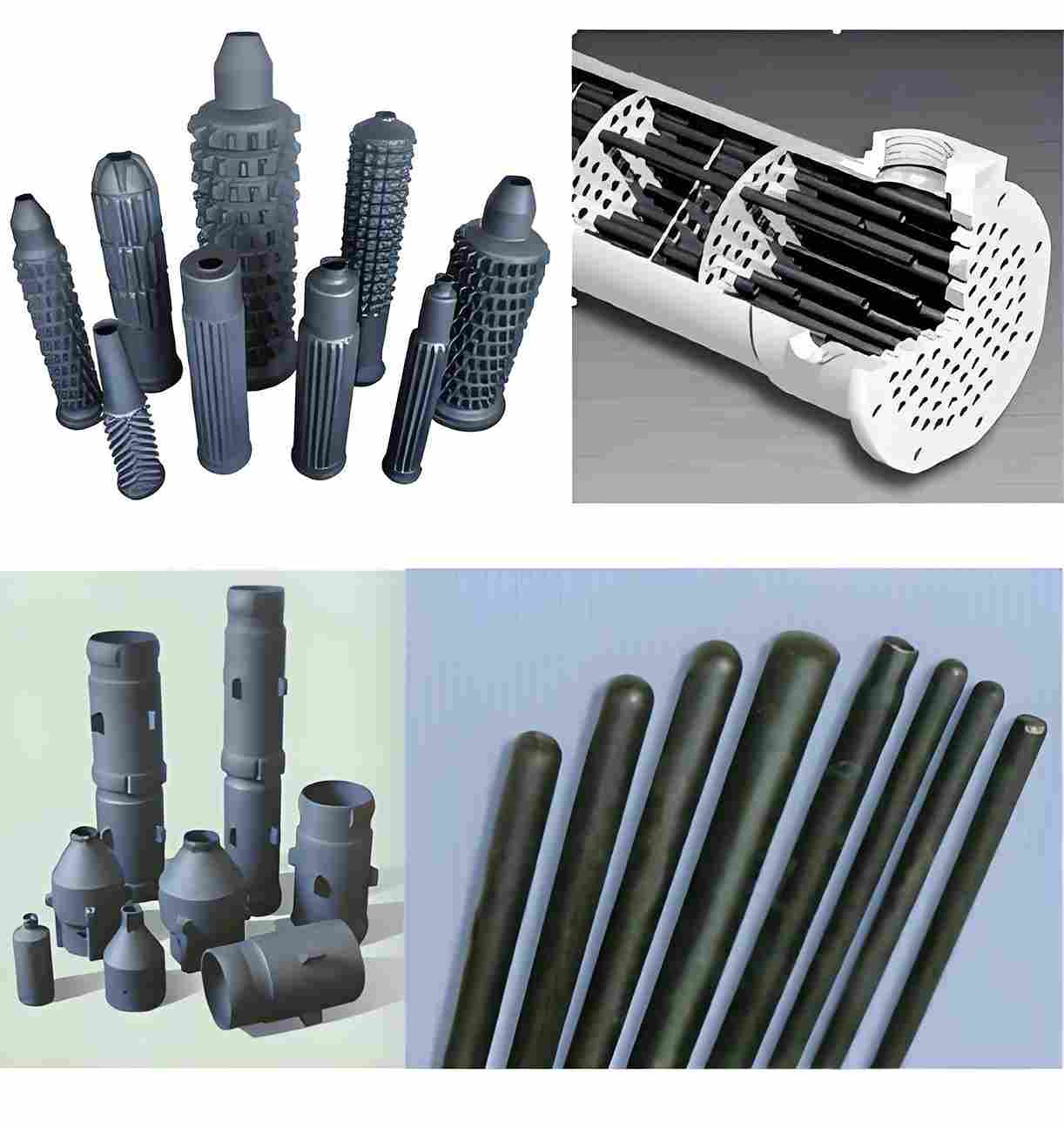
Silicon carbide (SiC) mechanical seals are often the last barrier between aggressive process fluids and the outside world. In corrosive environments, they outperform many other seal face materials in hardness, wear resistance, and chemical stability – but they still fail early if maintenance is sloppy.
This guide focuses on maintenance best practices for silicon carbide mechanical seals used in chemical processing, petrochemical, and other corrosive industrial applications. The goal is simple: less leakage, fewer emergency shutdowns, and longer seal life.
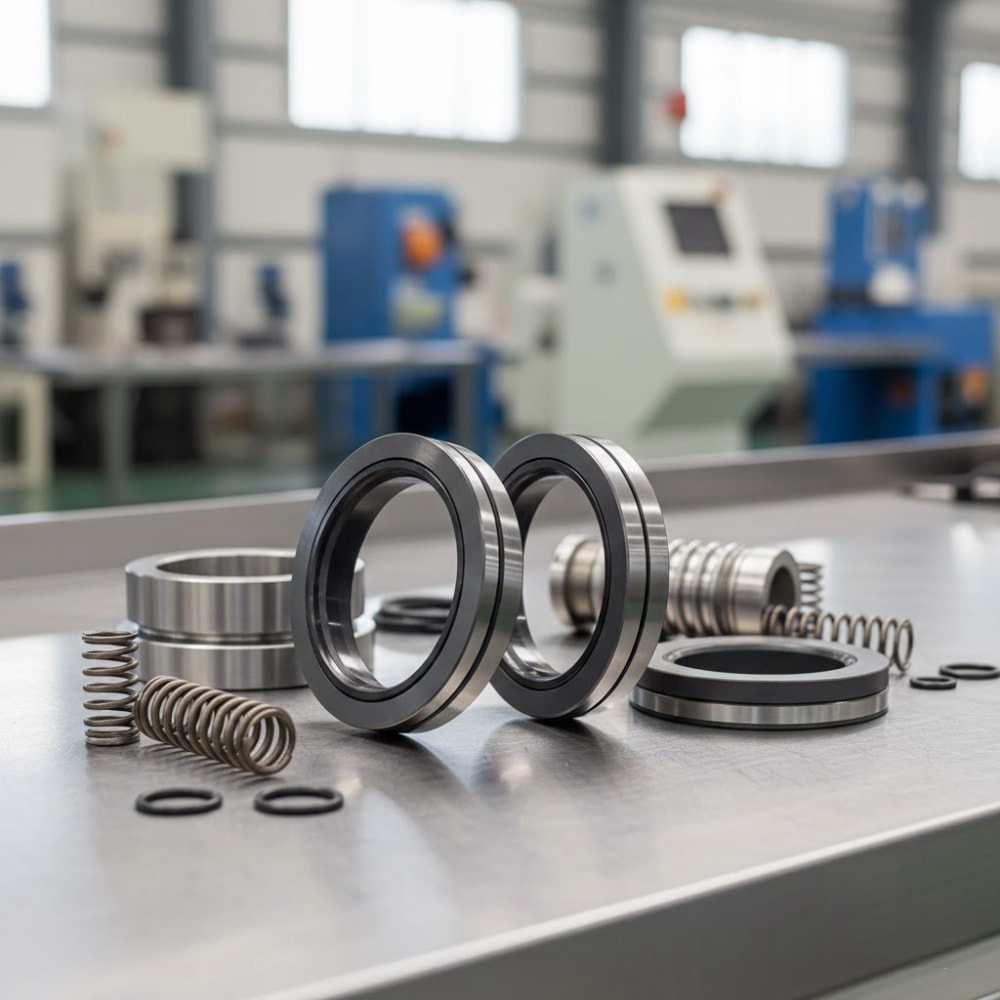
Why silicon carbide is used in corrosive sealing environments
Compared with carbon, metals, and many oxide ceramics, SiC offers:
- Excellent chemical resistance to a wide range of acids, alkalis, and solvents
- Very high hardness and wear resistance for slurry and solid-laden fluids
- High thermal conductivity to remove friction heat from the seal faces
- Good dimensional stability at elevated temperatures
That makes silicon carbide an ideal choice for stationary and rotating seal faces in pumps handling corrosive and abrasive media. But its performance depends heavily on clean running conditions, proper lubrication, and controlled surface loads.
Common failure modes of SiC mechanical seals
Understanding how seals usually die is the first step to preventing repeat failures. Typical issues include:
- Face scoring and abrasion from solid particles, crystallized salts, or dry running
- Thermal cracking from localized overheating at the seal faces
- Chemical attack on secondary seals (O-rings, elastomers), leading to leakage and contamination at the faces
- Distorted hardware (springs, metal parts) causing uneven loading and face misalignment
- Cavitation and vibration damage transmitted from poor pump hydraulics or piping
The silicon carbide faces themselves are usually not the weak point. Most failures are a system problem: lubrication, alignment, environment, or operating conditions.
Installation practices that set seals up for success
Maintenance quality starts when a new seal is installed. Bad installation can shorten life before the pump even sees full load.
Cleanliness and handling of SiC faces
- Handle silicon carbide seal rings with clean gloves; avoid fingerprints, grit, or metal dust on the faces.
- Place components only on clean, soft surfaces – never directly on rough workbenches or steel plates.
- Inspect faces under good lighting to ensure no chips, scratches, or contamination before assembly.
Checking surface flatness and lapping quality
- For critical duties, verify that faces meet the required flatness and surface roughness specifications from the seal supplier.
- Do not “improve” faces with improvised lapping unless you have proper tools and procedures; uncontrolled relapping can destroy geometry.
Assembly and alignment
- Follow the pump and seal manufacturer’s torque sequence for gland bolts to avoid distortion of the seal chamber.
- Check shaft runout and alignment; excessive runout destroys face contact patterns and accelerates wear.
- Use the correct O-ring materials (FKM, FFKM, EPDM, etc.) specified for the corrosive media and temperature.
Operating practices in corrosive environments
Even the best seal will fail quickly if operating conditions are out of control. For corrosive services, focus on lubrication, flushing, and hydraulic stability.
Ensure proper lubrication and cooling
- Maintain adequate product lubrication or barrier fluid at the seal faces. Dry running, even for short periods, can overheat SiC faces and crack them.
- Use appropriate flush plans (e.g. API seal plans) to remove heat and solids from the seal chamber in slurry and crystallizing services.
- For hot corrosive fluids, consider cooler loops or external barrier fluids where process conditions make direct lubrication of faces unstable.
Control solids and crystallization
- Where possible, reduce solid loading upstream of the pump with strainers or separators.
- Keep liquid velocities and temperatures above crystallization limits to prevent salt or product deposition on seal faces.
- Use flush connections or quench-in/out to wash away deposits forming near the seal.
Maintain stable pump operation
- Avoid running pumps far off their best efficiency point (BEP), which increases vibration and seal face loading.
- Prevent frequent starts/stops that shock the seal faces and O-rings.
- Check for cavitation, pressure pulsations, and piping-induced vibrations that can push seals beyond their design envelope.
Routine inspection and maintenance checklist
Silicon carbide seals do not need constant attention, but a regular basic routine dramatically reduces surprise failures.
Daily / per shift checks
- Monitor leakage rate at the seal drain or collection system. A slow, stable leakage is normal for some designs; sudden increases are not.
- Observe seal chamber temperature (or bearing housing temperature if chamber sensors are not available) for unusual rises.
- Listen and feel for changes in vibration or noise that might indicate hydraulic or mechanical issues.
Weekly checks
- Verify that flush lines, coolers, and filters are open and not clogged.
- Inspect external hardware (gland, piping, supports) for corrosion, loose bolts, or misalignment.
- Document any adjustments and small leaks in a log so trends are visible, not just emergencies.
Planned shutdown inspections
- When seals are removed during scheduled stops, inspect SiC faces for patterns of wear, localized scoring, or cracking.
- Check O-rings and secondary seals for swelling, hardening, or chemical attack that may have affected loading on the faces.
- Correlate observed damage patterns with process events (temperature excursions, solids spikes, off-spec batches).
Special considerations for aggressive chemical services
In highly corrosive environments, the seal is only as strong as the weakest material in the stack.
Choosing compatible secondary seals
- Select elastomers and secondary sealing materials compatible with the full chemical envelope (process fluid, flush, cleaning chemicals, and possible mischarges).
- Review temperature and pressure limits for each O-ring material, not just the SiC faces.
Protecting metal components
- For highly corrosive fluids, consider sleeved shafts, coated metals, or higher alloy hardware so structural parts do not corrode and distort the seal geometry.
- Inspect gland plates, springs, and retainers for pitting and loss of cross-section.
Monitoring contamination and process upsets
- Track episodes of off-spec concentration, pH, or temperature. Many seals start failing after process upsets, not during steady-state operation.
- Align process alarms and seal checks: when the DCS logs a big upset, add a targeted seal inspection to the maintenance plan.
How silicon carbide compares to other seal materials in maintenance
Compared with carbon, tungsten carbide, or ceramic oxide faces:
- SiC generally offers higher wear resistance in abrasive and slurry services, meaning faces stay flat and smooth longer.
- High thermal conductivity helps keep face temperature rise under control, reducing thermal crack risk when lubrication is good.
- Chemical resistance makes SiC more forgiving of aggressive media than many alternatives, but secondary materials must match that level.
In practice, plants often standardize on silicon carbide for their most critical, corrosive pumps and reserve cheaper face materials for benign services.
Integrating SiC seal maintenance into plant reliability programs
To get full value from silicon carbide mechanical seals, treat them as reliability-critical equipment, not just spare parts:
- Include seal performance KPIs (MTBF, leakage rates, failure causes) in your asset reliability dashboards.
- Standardize installation and start-up procedures with clear checklists and photos.
- Share seal failure analyses with process and operations teams, not only maintenance – many root causes are upstream.
Where seals constantly fail in the same way, the solution is usually a mix of better operating discipline and, sometimes, a refined material or face design.
FAQ: Maintaining silicon carbide mechanical seals in corrosive environments
1. How often should silicon carbide mechanical seals be inspected?
Visual external checks and leakage monitoring should be done at least once per shift in critical services. Internal inspections of the actual faces are typically done during planned shutdowns or when the seal is replaced. The exact interval depends on how severe the duty is and your plant’s maintenance strategy.
2. Can I run silicon carbide seals dry for short periods?
You shouldn’t. Even short periods of dry running can generate enough frictional heat to overheat and crack SiC faces, especially under high closing force. Always ensure adequate liquid or barrier fluid at the faces before starting the pump.
3. What is the best cleaning method for SiC seal faces?
Use non-abrasive methods: clean lint-free cloths, compatible solvents, and mild detergents if needed. Avoid abrasive papers, wire brushes, or hard tools on the running surface. If deposits are heavy, investigate the process cause instead of just cleaning more aggressively.
4. Do I need special tools to handle SiC mechanical seals?
You do not need exotic tools, but you do need clean, dedicated tools for seal work and a clean assembly area. Avoid using the same hammers, screwdrivers, and pry bars used for general pipefitting on precision seal components.
5. How do corrosive environments affect seal elastomers?
Even if SiC faces are perfectly resistant, O-rings and secondary seals can swell, harden, or crack in aggressive chemicals. This leads to distorted loading and leakage paths at the faces. Always choose elastomers rated for your full chemical and temperature range, not only the nominal process fluid.
6. Why do some SiC seals fail shortly after start-up?
Most early failures are linked to installation issues, trapped air, improper flushing, or uncontrolled start-up ramps. If seals fail in the first few days of operation, review installation procedures, alignment, priming, and flush conditions before blaming the material.
7. Can silicon carbide be used on both sides of the mechanical seal (SiC–SiC)?
Yes, SiC–SiC face pairs are common in severe services, but they require good lubrication and flush control. In marginal lubrication conditions, mixed pairs (e.g. SiC vs carbon) can sometimes be more forgiving. Work with your seal supplier to choose the correct pairing for your fluid and duty.
8. How do I know if solids are causing SiC face damage?
Signs include radial scoring, grooving, and uneven wear patterns on the face, often accompanied by increased leakage over time. If inspections consistently show abrasive damage, focus on upstream solids control and seal flush design, not just replacing faces.
9. What’s the role of suppliers like Zirsec in seal maintenance?
Suppliers like Zirsec provide precision silicon carbide seal rings and related components and can support you with material selection, geometry optimization, and failure analysis. Combining good component design with the maintenance practices in this guide is what actually delivers long, stable seal life.
10. When should I consider upgrading to silicon carbide from other seal materials?
Consider upgrading when you see recurring failures linked to corrosion, abrasion, or thermal damage on existing faces, and when pump downtime has a measurable production or safety impact. Start with the most problematic pumps, implement SiC and better maintenance together, and then expand the approach once the reliability gains are proven.
With disciplined installation and maintenance routines, silicon carbide mechanical seals shift from being “expensive consumables” to long-life reliability components that stabilize critical pumps in corrosive environments.