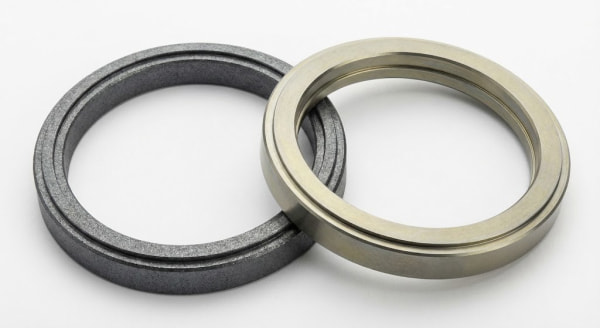
Mechanical seal rings used in chemical processing, petrochemical units, mining slurries and high-temperature media must resist wear, corrosion and unpredictable operating conditions. Silicon carbide (SiC) and tungsten carbide (WC) are the two most commonly specified materials, but they behave very differently when exposed to abrasive particles, acidic or alkaline solutions and intermittent lubrication. Choosing the wrong material leads to leaks, premature failures and costly downtime. This article provides a practical engineering comparison to help pump OEMs and maintenance teams choose between SiC and WC for harsh-media applications.
Why Material Choice Matters for Mechanical Seal Rings
Mechanical seals fail primarily due to wear, thermal distortion, chemical attack or dry-running damage. When the seal face material cannot tolerate the fluid or solids present in the system, leakage occurs rapidly. Processes involving strong acids, slurries, crystallizing solutions or high temperatures require materials that maintain flatness, structural integrity and lubricating film stability. Silicon carbide and tungsten carbide are both hard, high-performance materials, but their suitability changes dramatically depending on the operating environment.
Silicon Carbide vs Tungsten Carbide: Practical Performance Comparison
The following performance characteristics represent real-world engineering considerations for selecting mechanical seal rings in harsh media.
Wear Resistance
Both SiC and WC offer excellent wear resistance, but silicon carbide generally outperforms tungsten carbide in fine-particle and high-velocity slurries. Its superior hardness and low friction reduce face scoring and abrasive wear, especially in crystallizing media where contact instability is common.
Chemical Resistance
Silicon carbide provides near-universal chemical resistance, including in strong acids and alkalis. Tungsten carbide is chemically stable in many media but vulnerable in corrosive environments containing low pH, chlorine compounds or aggressive solvents. In pump services where corrosion cannot be avoided, SiC offers significantly safer long-term performance.
Thermal Shock and Heat Generation
Silicon carbide dissipates heat rapidly and handles thermal shock extremely well. This reduces the risk of seal face cracking during dry running or sudden temperature spikes. Tungsten carbide’s lower thermal conductivity increases heat buildup at the seal face, which may accelerate wear or distort the contact surface.
Toughness and Impact Resistance
Tungsten carbide is tougher than silicon carbide, making it more resistant to chipping under extreme mechanical impacts or misalignment. For services with heavy shaft loads or severe vibration, WC may be appropriate. However, in most chemical and abrasive applications, SiC’s advantages outweigh its slightly lower toughness.
Cost and Lifecycle Value
Tungsten carbide components are generally more expensive and often require cobalt binders, which introduce corrosion risk. Silicon carbide provides a better lifecycle cost in corrosive or abrasive media because of its significantly longer wear life and reduced failure rate.
How Zirsec Helps Engineers Select the Right Seal Ring Material
Zirsec evaluates the operating fluid, particle load, pressure, temperature variation and potential for dry running to determine the best material for each mechanical seal design. For corrosive slurries, crystallizing chemicals or aggressive acids, Zirsec typically recommends premium RBSiC or SSiC seal rings due to their superior stability and long service life. When impact loading, vibration or mechanical shock dominate the operating environment, Zirsec can supply WC seal rings with appropriate binder compositions. All Zirsec seal rings are made with tight flatness tolerances and controlled microstructure to ensure maximum sealing efficiency and low leakage rates. Zirsec also supports drawing-based customization, rapid sampling and small-batch delivery for OEM design cycles.
Application Scenarios
Silicon carbide is preferred for chemical pumps, slurry pumps, seawater pumps, FGD systems, phosphate production lines, acid circulation pumps and solvent processing units. Tungsten carbide is often used in oil and gas drilling tools, high-pressure pumps and services where vibration and mechanical impact are predominant. In plants where both corrosion and abrasion are present, silicon carbide typically provides a safer and more reliable sealing solution.
Case Example: Corrosive Slurry Pump Leakage Failure
A chemical plant operating a circulation pump in a phosphoric acid slurry experienced monthly leakage due to WC seal ring corrosion and face distortion. Zirsec analyzed the slurry composition and replaced the WC rings with custom RBSiC seal faces featuring higher thermal conductivity and improved chemical resistance. After the upgrade, the seal ran for more than 11 months without leakage, reducing maintenance hours and eliminating unplanned shutdowns. This demonstrated the clear material advantage of SiC in corrosive environments where slurry abrasion and chemical attack occur simultaneously.
Typical Specification Comparison
| Property | Silicon Carbide (SiC) | Tungsten Carbide (WC) |
|---|---|---|
| Wear Resistance | Excellent for abrasive slurries | Excellent |
| Chemical Resistance | Outstanding across most acids and alkalis | Moderate; weak in corrosive media |
| Thermal Conductivity | Very high; dissipates heat rapidly | Lower; prone to heat buildup |
| Toughness | Moderate | High |
| Friction Coefficient | Very low | Higher |
| Risk of Thermal Shock Damage | Low | Higher |
| Best Use Case | Corrosive, abrasive, high-temperature fluids | High mechanical load, vibration |
FAQs: SiC vs WC Mechanical Seal Rings
Is silicon carbide always better than tungsten carbide?
No. SiC is superior in corrosive and abrasive fluids, but WC is better when shock resistance or heavy mechanical load is expected.
Can SiC replace WC in existing seal designs?
Often yes. Zirsec manufactures SiC rings to match existing dimensions and flatness requirements.
Does SiC improve performance in slurry applications?
Yes. SiC’s hardness and smooth surface significantly reduce abrasive wear.
Is WC suitable for acidic environments?
Not ideal. Many acids degrade WC over time, making SiC the safer option.
Does Zirsec offer both SiC and WC seal rings?
Yes. Zirsec supplies both materials and provides engineering guidance to match the seal design with the operating conditions.
Which material lasts longer in high temperatures?
Silicon carbide typically outperforms tungsten carbide due to better thermal stability and reduced thermal distortion.
Contact Zirsec for Material Selection Support
If mechanical seals in your pumps are experiencing leakage, rapid wear or corrosion, Zirsec can recommend the correct material based on your actual operating media. Zirsec provides RBSiC, SSiC and WC seal rings with tight flatness control, fast sample turnaround and reliable small-batch production for OEM customers.