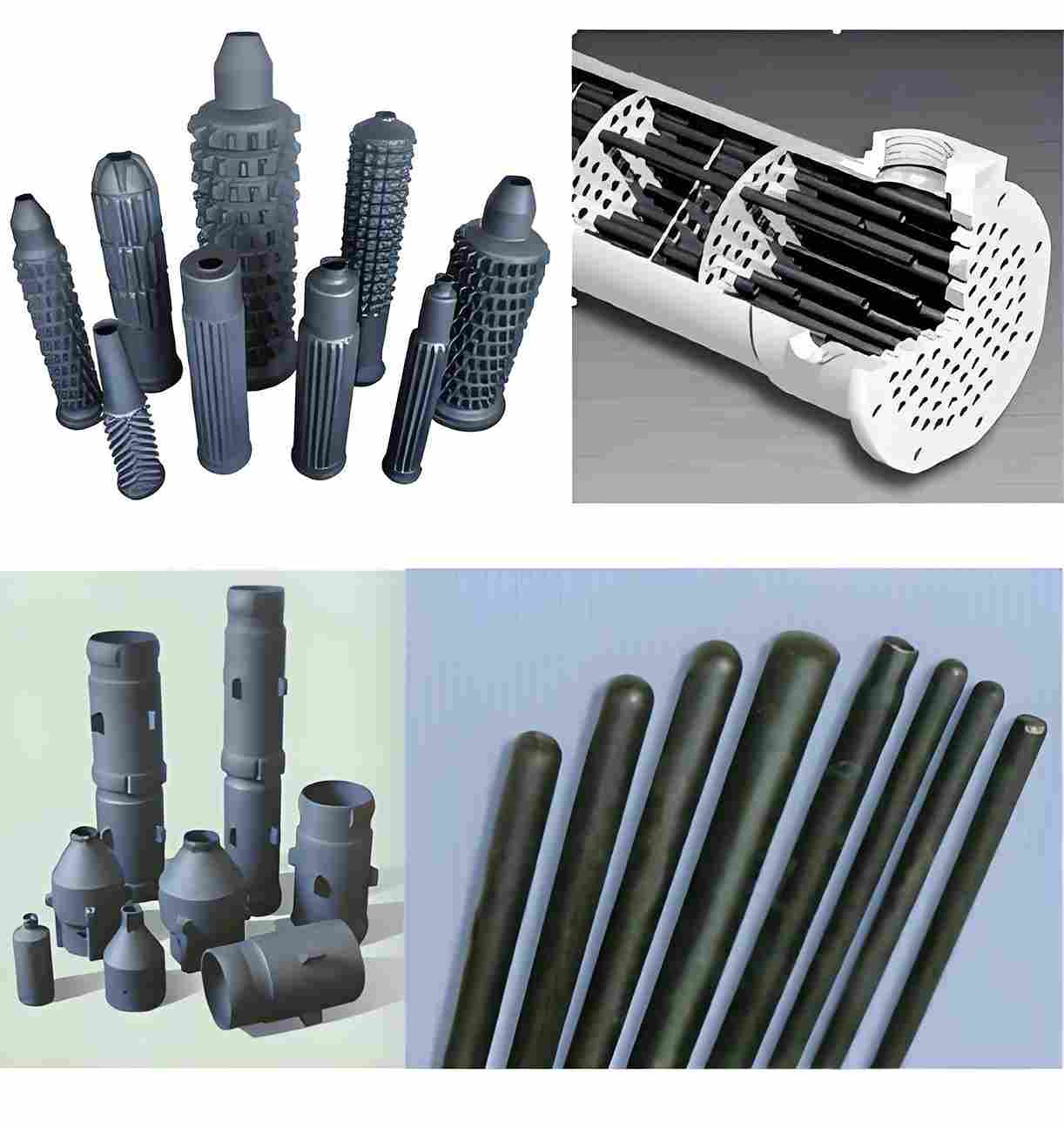
Advanced ceramics such as silicon carbide and alumina are widely used in industrial equipment where metals fail due to wear, corrosion or temperature limits. Although alumina is often chosen as a default ceramic material, many industrial failures originate from applying alumina beyond its practical performance range. Silicon carbide offers a fundamentally different property balance that makes it the preferred choice in harsh environments. This article provides clear engineering guidance on when silicon carbide should be specified instead of alumina.
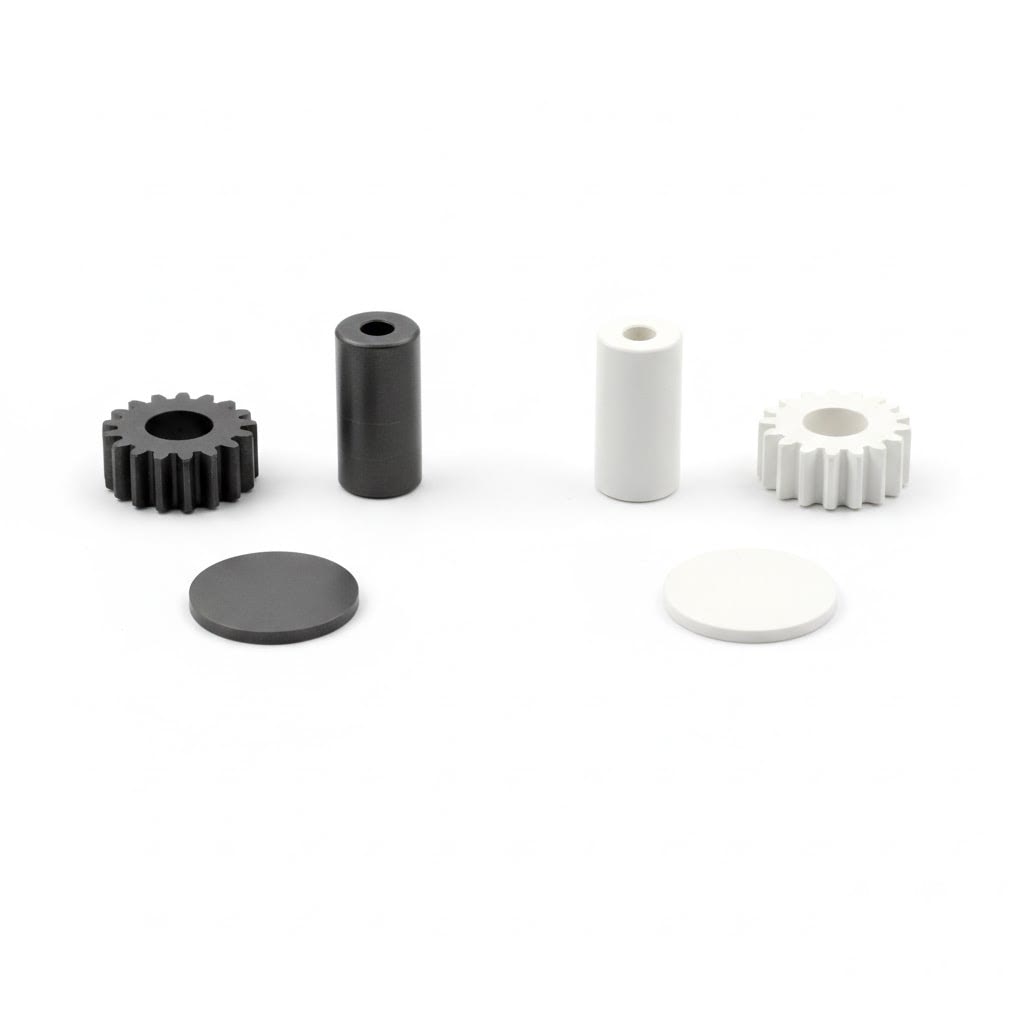
Why Ceramic Material Selection Impacts Equipment Reliability
Ceramic components are frequently used in pumps, furnaces, reactors and wear systems where downtime is costly. Selecting a ceramic based only on price or availability often leads to premature cracking, rapid wear or chemical degradation. The correct ceramic must match the operating temperature, media chemistry, abrasion level and mechanical load. Understanding the limits of alumina and the advantages of silicon carbide is critical for long-term reliability.
Silicon Carbide vs Alumina: Core Performance Differences
While both materials belong to the advanced ceramics category, their mechanical and chemical behavior differs significantly under industrial conditions.
Wear Resistance
Silicon carbide is substantially harder than alumina, providing superior resistance to abrasive wear. In slurry handling, particle-laden fluids and sliding contact applications, SiC maintains surface integrity far longer. Alumina experiences gradual surface wear that leads to clearance increase and performance loss.
Chemical Resistance
Silicon carbide offers excellent resistance across most acids, alkalis and aggressive chemical media. Alumina performs well in neutral or mildly corrosive environments but degrades in strong acids or hot alkaline solutions. Chemical compatibility is often the decisive factor favoring SiC.
High-Temperature Performance
SiC maintains mechanical strength and dimensional stability at temperatures exceeding 1400°C. Alumina begins to lose strength and thermal stability at lower temperatures, making it unsuitable for continuous high-temperature service.
Thermal Shock Resistance
Silicon carbide’s low thermal expansion and high thermal conductivity allow it to withstand rapid temperature changes. Alumina is more susceptible to cracking during thermal cycling, especially in furnace and reactor applications.
Mechanical Strength and Stiffness
Silicon carbide offers higher stiffness and flexural strength, reducing deformation under load. Alumina is less stiff and more prone to microfractures in high-stress environments.
When Silicon Carbide Is the Better Engineering Choice
Silicon carbide should be specified when applications involve high temperatures, corrosive media, severe abrasion or frequent thermal cycling. Typical examples include chemical pump seal faces, furnace tubes, wear plates, kiln furniture, slurry liners and burner components. Alumina remains suitable for low-temperature, low-abrasion environments where chemical exposure is limited and cost sensitivity is high.
How Zirsec Supports Correct Ceramic Selection
Zirsec works with equipment manufacturers and end users to evaluate operating conditions before recommending a ceramic material. For demanding industrial environments, Zirsec typically supplies reaction-bonded or pressureless sintered silicon carbide components that offer long service life and stable performance. Zirsec supports drawing-based customization, tight machining tolerances and fast sample delivery, helping customers avoid costly material misapplication.
Application Scenarios
Silicon carbide components are widely used in chemical processing equipment, metallurgical furnaces, high-temperature kilns, slurry handling systems, environmental protection units and wear-intensive machinery. Alumina components are typically applied in moderate environments such as laboratory equipment, light-duty mechanical parts and non-abrasive fluid systems.
Case Example: Alumina to SiC Upgrade in Chemical Equipment
A chemical equipment manufacturer experienced repeated failures of alumina wear liners exposed to acidic slurry at elevated temperature. Surface degradation and cracking led to frequent shutdowns. Zirsec supplied custom silicon carbide liners with improved wear and chemical resistance. After installation, component service life increased by more than four times, significantly reducing maintenance cost and downtime.
Typical Property Comparison
| Property | Silicon Carbide (SiC) | Alumina (Al₂O₃) |
|---|---|---|
| Wear Resistance | Excellent | Moderate |
| Chemical Resistance | Excellent | Moderate |
| Max Operating Temperature | Up to ~1600°C | Lower |
| Thermal Shock Resistance | Excellent | Moderate |
| Mechanical Strength | High | Moderate |
| Typical Use Case | Harsh industrial environments | General-purpose ceramics |
FAQs: Silicon Carbide vs Alumina Ceramics
Is alumina always cheaper than silicon carbide?
Initial cost is lower, but lifecycle cost is often higher due to shorter service life.
Can SiC replace alumina in existing designs?
In many cases yes. Zirsec customizes SiC components to match existing dimensions.
Does silicon carbide handle thermal cycling better?
Yes. SiC’s thermal properties significantly reduce cracking risk.
Which material is better for corrosive chemicals?
Silicon carbide is generally superior in acidic and alkaline environments.
Does Zirsec support small-batch ceramic production?
Yes. Zirsec supports prototypes and small-batch orders with fast delivery.
Contact Zirsec for Advanced Ceramic Solutions
If your equipment operates in harsh industrial conditions and alumina components fail prematurely, Zirsec can help evaluate whether silicon carbide is the better solution. Contact Zirsec for technical consultation, drawing review and fast quotation support.