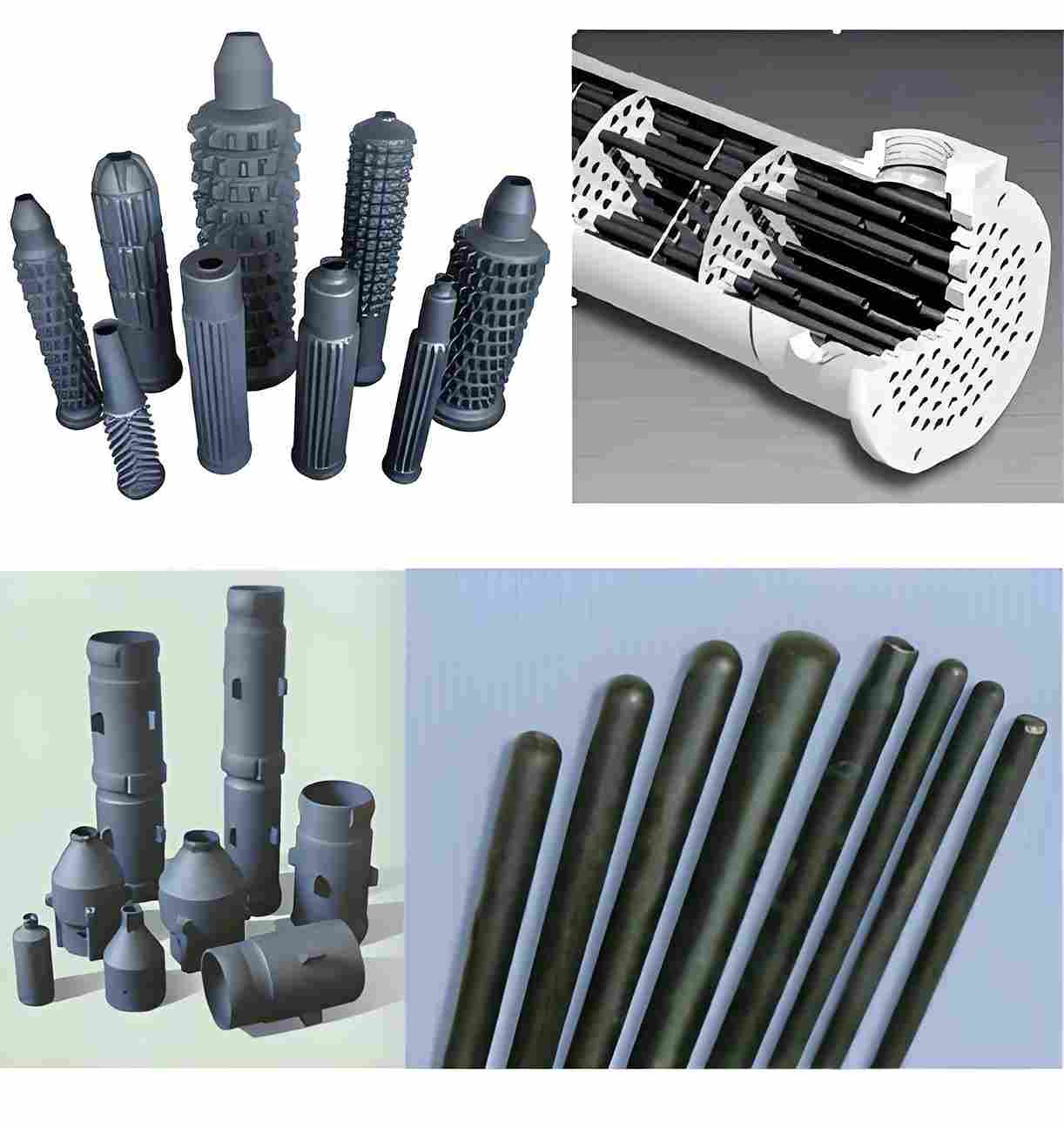
When you’re buying silicon carbide (SiC) ceramic components for a high‑temperature furnace or a corrosive pump, the unit price is only the tip of the iceberg; hidden costs, performance gaps, and delivery risks can cripple a project before it even starts.
Quick Summary (FAQ)
- What’s the most common mistake? Selecting a supplier solely on the lowest price without checking material purity, tolerance, or after‑sale support.
- Which factor saves money long‑term? Consistent product quality that reduces scrap, re‑work, and unplanned downtime.
- How fast can ZIRSEC deliver? Standard SiC tubes and plates ship within 24 hours from stock; custom parts typically 4‑8 weeks, with rapid‑prototype options in 2‑4 weeks.
- Is engineering assistance included? Yes – our in‑house engineers review drawings, suggest design tweaks, and provide complete technical dossiers.
1. Define Your Real‑World Requirements First
Before you even open a spreadsheet, write down the actual operating conditions of the part you need:
- Maximum temperature (e.g., 1500 °C for furnace tubes)
- Corrosive media (e.g., molten salts, chlorine‑based gases)
- Mechanical load (compressive, tensile, wear rate)
- Tolerance and surface finish (±0.2 mm, Ra 0.8 µm)
- Batch size and lead‑time expectations
These parameters turn a vague “cheap SiC part” request into a concrete specification that any reputable supplier can evaluate.
2. Technical Capability – Does the Supplier Actually Make SiC?
Silicon carbide is not a commodity like stainless steel; it requires specialized sintering kilns, controlled atmospheres, and precision grinding. Ask the supplier for:
- Production capacity of their sintering furnaces (e.g., 5 tons per batch)
- Material source – are they using ≥98 % purity SiC powder, and can they switch to imported grade when needed?
- Machining capabilities – CNC grinding, EDM, laser drilling, and tolerance achievement records.
At ZIRSEC we operate two 10‑ton sintering lines and a dedicated CNC grinding cell capable of ±0.1 mm tolerances on 150 mm‑diameter tubes.
3. Quality Assurance – From Incoming Powder to Finished Part
Look for a documented quality system (ISO 9001, ISO 14001) and, more importantly, evidence of:
- Incoming powder certificates of analysis (COA) for each batch.
- In‑process inspection data – density, porosity, and grain size distribution.
- Final inspection – dimensional check, surface roughness, and high‑temperature strength testing (e.g., flexural strength ≥130 MPa at 1400 °C).
We provide a full test report with every shipment, including a high‑temperature oxidation curve that shows >99 % weight retention after 100 h at 1500 °C.
4. Customization & Engineering Support – Turning a Drawing into Reality
Most end‑users do not buy off‑the‑shelf parts; they supply CAD files or functional drawings. A good supplier will:
- Assign a dedicated application engineer to review the drawing, flag potential hot‑spots, and recommend geometry tweaks.
- Offer prototype runs (5‑20 units) before committing to full‑scale production.
- Provide detailed CAD‑compatible data sheets (material, tolerance, heat‑treatment).
In a recent project for a European pump‑valve maker, our engineers identified a 0.3 mm wall‑thickness reduction that cut material cost by 12 % while maintaining a burst pressure of 8 MPa.
5. Delivery Reliability – Stock vs. Lead‑Time Management
Even the best‑priced part is useless if it arrives late. Evaluate the supplier’s logistics footprint:
- Do they keep standard sizes in stock? (ZIRSEC holds >200 SKUs with 24‑hour dispatch capability.)
- What is the average lead time for custom orders? Look for a clear production schedule and contingency plan.
- Do they handle export documentation (MSDS, COA, customs invoices) in advance?
Our customers in the United States receive air‑freight shipments within 2 days of final inspection, and we maintain a “fast‑track” channel for emergency orders.
6. Total Cost of Ownership – Beyond the Quote
Break down the quoted price into components:
- Material cost (SiC powder, binders, sintering gas)
- Processing cost (machining, finishing, quality testing)
- Packaging and shipping
- Risk cost – potential scrap, re‑work, or downtime
When you add the expected scrap rate of a low‑quality supplier (often >8 %), the effective price per usable part can be 30‑40 % higher than a premium source that delivers <2 % scrap.
7. Compliance, Certifications & Documentation
Industrial buyers must meet internal and regulatory standards. Ask for:
- Material safety data sheets (MSDS) and environmental compliance certificates.
- Traceability records – batch number linked to COA and test reports.
- Export licences and customs classification (HS 6815 for SiC ceramics).
ZIRSEC’s export package includes a complete digital dossier, downloadable from our portal, ensuring smooth customs clearance in the US, EU, and Japan.
8. Risk Management – What Happens If Something Goes Wrong?
Consider the supplier’s policies for:
- Replacement of non‑conforming parts (lead‑time, cost coverage).
- Technical support during installation and start‑up.
- Warranty terms – most of our SiC components carry a 12‑month performance warranty against material defects.
One of our long‑term partners in Germany suffered a sudden furnace‑tube failure; we shipped a replacement within 48 hours and provided on‑site engineering advice, avoiding a projected loss of €20,000.
9. After‑Sale Service & Ongoing Partnership
A supplier that disappears after the invoice is signed is a red flag. Look for:
- Regular performance reviews (quarterly or per‑project).
- Access to a technical hotline staffed by PhD‑level ceramic engineers.
- Opportunities for joint R&D, such as custom grain‑size optimization for ultra‑high‑temperature applications.
Our clients often move from a single‑order trial to a multi‑year strategic partnership because we keep the communication loop open and proactive.
10. Real‑World Case Study – From Quote to Production
Customer: A US‑based specialty pump manufacturer needed 500 SiC seal rings (Ø 25 mm, 0.5 mm wall) for a chlorine‑rich process line.
Challenge: Existing suppliers quoted $12 per ring but delivered 0.6 mm tolerance variance, causing a 7 % rejection rate.
Our Solution:
- Provided a prototype run of 20 rings within 10 days, meeting ±0.15 mm tolerance.
- Implemented a grind‑and‑polish step that achieved Ra 0.8 µm surface finish.
- Negotiated a volume price of $11.40 per ring, including a 12‑month warranty and on‑site technical support.
Result: Rejection rate dropped to 0.5 %, saving the customer an estimated $45,000 in re‑work and downtime over the first year. Delivery reliability improved from a 6‑week lead time to a 3‑week consistent schedule.
11. How ZIRSEC Meets All the Criteria
Below is a concise matrix that shows how we stack up against the checklist above:
| Evaluation Area | ZIRSEC Capability | Typical Industry Benchmark |
|---|---|---|
| Material Purity | ≥98 % SiC, option for imported 99.9 % | 95‑97 % |
| In‑Process QA | Density & porosity checks each batch | Spot checks only |
| Tolerance | ±0.1 mm (standard), ±0.05 mm (custom) | ±0.3 mm |
| Stock Lead‑Time | Standard parts 24 h, custom 4‑8 weeks | 1‑2 weeks (standard) / >10 weeks (custom) |
| Engineering Support | Dedicated engineer, design review, fast‑prototype | Limited email support |
| After‑Sale Service | 12‑month warranty, 24/7 hotline | 30‑day return only |
For a deeper look at our product range, visit our Silicon Carbide Tubes page.
12. Actionable Checklist Before You Send an RFQ
- List exact operating conditions (temp, chemistry, load).
- Gather CAD drawings or 2D sketches.
- Define acceptable tolerance, surface finish, and batch size.
- Request a sample prototype (5‑20 units) with a full test report.
- Ask for a detailed quote breakdown and warranty terms.
- Verify the supplier’s ISO certifications and export documentation.
- Confirm delivery schedule and emergency‑order procedures.
When you’ve ticked all these boxes, you can be confident that price is truly the deciding factor—not a hidden risk.
Conclusion – Choose the Partner Who Lets You Focus on Performance, Not Procurement
Evaluating a silicon carbide ceramic supplier is a multidimensional exercise. By scrutinizing technical capability, quality systems, customization support, delivery reliability, and total cost of ownership, you protect your project from costly surprises. ZIRSEC combines 20 years of manufacturing expertise, a fully stocked inventory, rapid custom‑part turnaround, and an engineering team that speaks your language.
Ready to stop hunting for the cheapest quote and start building a reliable supply chain? Email us at info@zirsec.com or submit an inquiry through our website today.