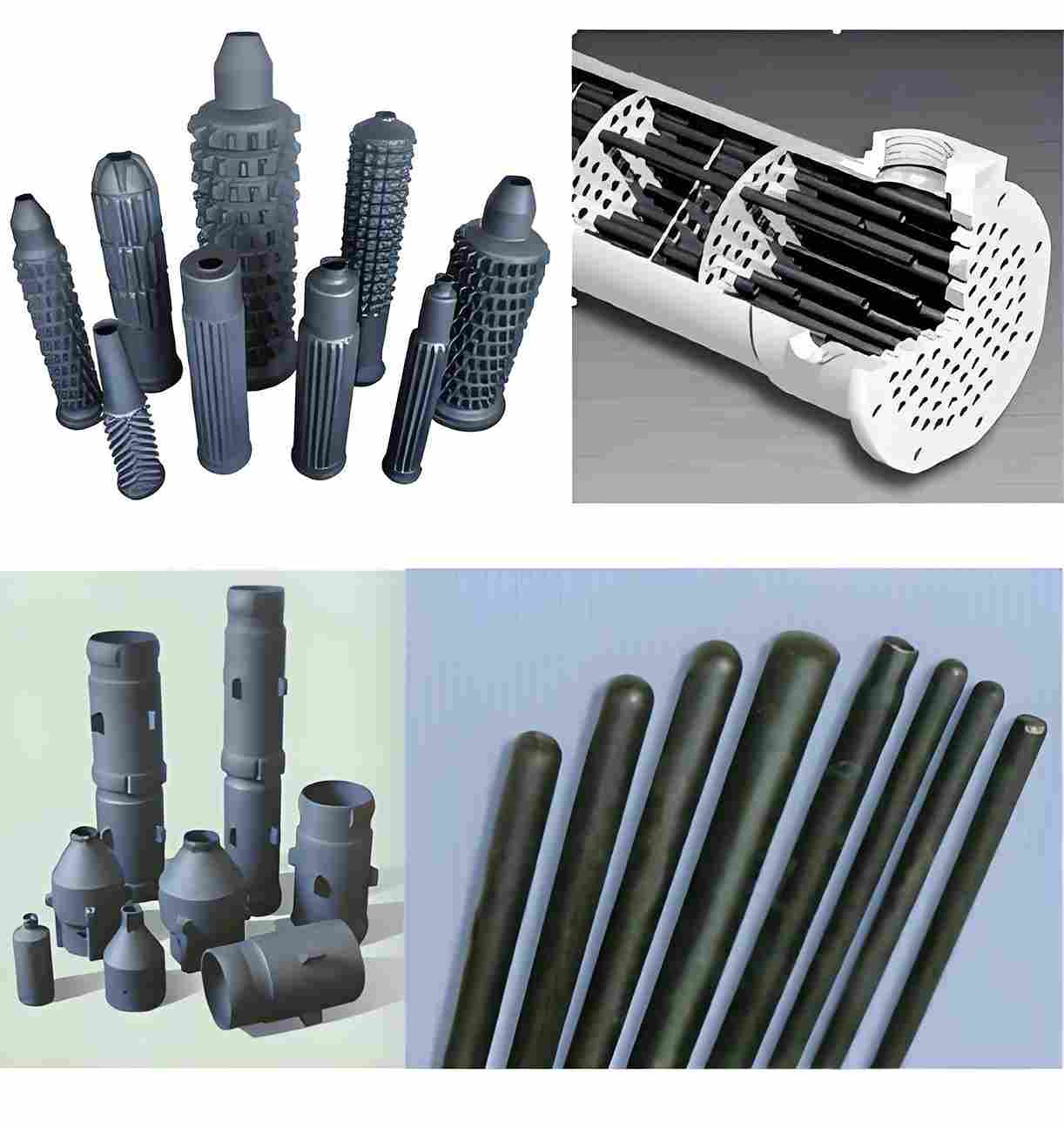
How to Solve Corrosion Problems in Chemical Equipment? The answer starts with choosing the right material, applying effective protection, and establishing a proactive monitoring routine that prevents costly downtime.
Quick Summary (FAQ)
What causes corrosion in chemical plants?
Acidic, alkaline, or oxidative media, temperature cycling, and mechanical wear all accelerate metal loss.
Which material offers the best resistance?
Silicon carbide (SiC) ceramics provide superior high‑temperature strength, chemical inertness, and wear resistance compared with stainless steel, Hastelloy, or aluminum alloys.
Can coatings replace premium materials?
Coatings extend service life but cannot fully replace the intrinsic resistance of SiC in aggressive environments.
How often should equipment be inspected?
Implement a risk‑based inspection schedule: visual checks monthly, thickness measurement quarterly, and full non‑destructive testing (NDT) annually.
1. Identify the Root Causes of Corrosion
In practice, the first step is a systematic root‑cause analysis. Typical drivers include:
- Media composition: Chlorides, sulfates, and fluorides are notorious for pitting.
- Temperature extremes: Above 500 °C the protective oxide layer on steel becomes unstable.
- Flow dynamics: High velocity creates erosion‑corrosion zones.
- Material incompatibility: Using carbon steel where a nickel‑based alloy is required.
Document the operating envelope in a simple matrix (temperature, pressure, pH, concentration). This matrix guides material selection and protection strategies.
2. Material Selection – Why Silicon Carbide Beats Traditional Alloys
Our experience at ZIRSEC shows that SiC ceramic tubes, plates, and seal rings survive environments where conventional alloys fail within months. The decisive properties are:
- Corrosion resistance: SiC is chemically inert to most acids, bases, and molten salts.
- High‑temperature strength: Retains >80 % of its flexural strength at 1500 °C.
- Low thermal expansion: Reduces thermal stress on flanges and joints.
- Abrasion resistance: Ideal for slurry or particulate transport.
When replacing metal parts, compare the following parameters:
| Property | Stainless Steel 316L | Nickel‑Based Alloy (Hastelloy C-276) | SiC Ceramic |
|---|---|---|---|
| Maximum Service Temp (°C) | 600 | 800 | 1600 |
| Corrosion Rate in 10% HCl (mm/yr) | 0.15 | 0.04 | 0.00 |
| Hardness (HV) | 200 | 250 | 1500 |
| Typical Unit Cost (USD/kg) | 5 | 30 | 120 |
Although initial cost is higher, the life‑cycle savings are compelling—often a 3‑5× reduction in total ownership cost.
3. Protective Coating Strategies When SiC Is Not Viable
If equipment geometry or budget constraints prevent a full SiC retrofit, high‑performance coatings can bridge the gap. Recommended systems include:
- Thermal spray Al₂O₃‑SiC: Provides < 5 µm surface roughness, good for pump casings.
- Electroless nickel‑phosphorus (EN‑NiP): Excellent barrier against chloride pitting at temperatures up to 350 °C.
- Fluoropolymer (PTFE) linings: Ideal for low‑shear, highly corrosive liquids.
Key coating selection rules:
- Match the coating’s thermal expansion to the substrate.
- Verify adhesion by ASTM C633 or ISO 1520 tests.
- Schedule re‑inspection after each thermal cycle.
4. Design‑Level Countermeasures
Even the toughest material cannot survive poor design. Follow these engineering checkpoints:
4.1. Avoid Stagnation Zones
Dead legs promote localized acid buildup. Use tapered elbows, proper venting, and periodic flushing to keep flow uniform.
4.2. Provide Expansion Joints
Thermal gradients cause differential expansion. Incorporate SiC‑filled expansion joints or flexible metal bellows where temperature changes exceed 200 °C.
4.3. Select Compatible Gaskets and Seals
Pair SiC seal rings with PTFE or graphite backings for dual‑seal protection. In high‑pressure service, double‑seal configurations reduce leakage risk.
5. Monitoring & Inspection Techniques
A proactive monitoring program catches corrosion before it becomes failure‑critical.
5.1. In‑situ Sensors
- Electrical Resistance (ER) probes: Provide real‑time thickness loss data.
- pH and conductivity meters: Detect sudden media changes that accelerate corrosion.
- Ultrasonic thickness gauges: Non‑contact measurements for hot walls.
5.2. Scheduled NDT
Apply radiography, phased‑array ultrasonic testing, or eddy‑current testing based on the component’s geometry. Record baseline data and compare trends quarterly.
6. Maintenance Best Practices
Even the best materials need disciplined upkeep.
- Clean‐in‑place (CIP) protocols: Use neutralizing agents after acid runs to lower residual aggressiveness.
- Surface passivation: For metal parts, perform nitric‑acid passivation to rebuild protective oxide layers.
- Lubrication strategy: Apply high‑temperature, chemically stable greases only where moving parts are not exposed to corrosive streams.
7. Case Study – Retro‑fitting a Corroded Reactor with SiC Components
One of our European customers operated a 120 m³ batch reactor for fluorinated organic synthesis. After two years the stainless‑steel liner showed pitting rates of 0.3 mm/yr, forcing unplanned shutdowns that cost over $25,000 each.
Our solution:
- Removed the damaged liner and installed a custom‑fabricated SiC ceramic liner (thickness 12 mm, tolerance ±0.2 mm).
- Added SiC seal rings at the inlet and outlet flanges.
- Implemented ER thickness probes to monitor the remaining metal support.
Results after 18 months:
- Zero measurable pitting on the ceramic surface.
- Downtime reduced from quarterly to annual preventive maintenance.
- Overall production cost lowered by 12 % due to increased uptime.
8. Cost‑Benefit Analysis – When to Invest in SiC
Use the following simplified model to decide:
| Parameter | Metal Option | SiC Option |
|---|---|---|
| Initial Material Cost (USD) | 10,000 | 45,000 |
| Annual Maintenance (inspection, replacement) | 8,000 | 1,500 |
| Expected Downtime Cost (per year) | 12,000 | 1,200 |
| Total 5‑Year Cost | 150,000 | 92,500 |
The break‑even point occurs after roughly 2 years, after which the SiC solution delivers a clear ROI.
9. Implementation Checklist
- Define operating envelope – temperature, pressure, chemical composition.
- Run a materials comparison using the table above.
- Choose between full SiC retrofit or coating based on geometry and budget.
- Engage a qualified supplier (e.g., ZIRSEC) for custom SiC parts.
- Validate design with CFD & thermal‑stress analysis.
- Install sensors for real‑time monitoring.
- Establish a risk‑based inspection schedule.
- Train maintenance staff on new procedures.
10. Why Partner with ZIRSEC?
With two decades of SiC ceramic manufacturing, ZIRSEC offers:
- Standard‑size inventory ready for same‑day shipment.
- Custom‑fabrication from CAD drawings or physical samples.
- Engineering support – thermal‑stress simulation, material‑selection advice, and rapid prototyping.
- Full supply‑chain management: quality control, export documentation, and door‑to‑door logistics.
Our clients in the United States, Germany, and the United Kingdom consistently cite reduced downtime and predictable costs as the primary benefits of switching to SiC.
11. Bottom Line – Stop Corrosion Before It Stops Your Plant
Corrosion isn’t just a maintenance nuisance; it’s a revenue‑draining risk. By identifying the aggressive agents, selecting SiC ceramic components, applying appropriate coatings when necessary, redesigning for flow uniformity, and instituting continuous monitoring, you transform a reactive maintenance model into a proactive reliability program.
Take the first step today: evaluate your most vulnerable equipment, request a free technical consultation from ZIRSEC, and let our engineers design a corrosion‑resistant solution that pays for itself within two years.