Energy efficiency is not just a slogan anymore. Plants are under pressure to cut fuel consumption, reduce emissions, and get more output from the same equipment. You can optimize controls and process recipes all day, but if the materials inside your furnace, heat exchanger, or pump are weak, energy is wasted as heat loss, leaks, and unplanned shutdowns.
Silicon carbide (SiC) ceramics are one of the quiet tools behind many green technology improvements. By combining high-temperature strength, good thermal conductivity, and excellent wear resistance, SiC components help industrial systems run hotter, cleaner, and more efficiently.
1. Why silicon carbide matters for energy efficiency
Silicon carbide is not a magic bullet, but it solves several core problems that waste energy in industrial plants:
- Heat loss through weak or unstable materials – when tubes sag or plates warp, temperature control suffers and fuel use increases.
- Frequent shutdowns – every unplanned stop means cooling, reheating, and extra fuel consumption.
- Low thermal efficiency – poor heat transfer and hotspots reduce the useful energy delivered to the product.
SiC components address these issues by maintaining shape at high temperature, resisting wear in high-flow zones, and conducting heat more efficiently than many traditional refractories.
2. High-temperature furnaces: more heat to the product, less to the scrap pile
Furnaces and kilns are usually the biggest energy consumers in a plant. Upgrading critical internal parts to silicon carbide can deliver real gains in fuel efficiency and productivity.
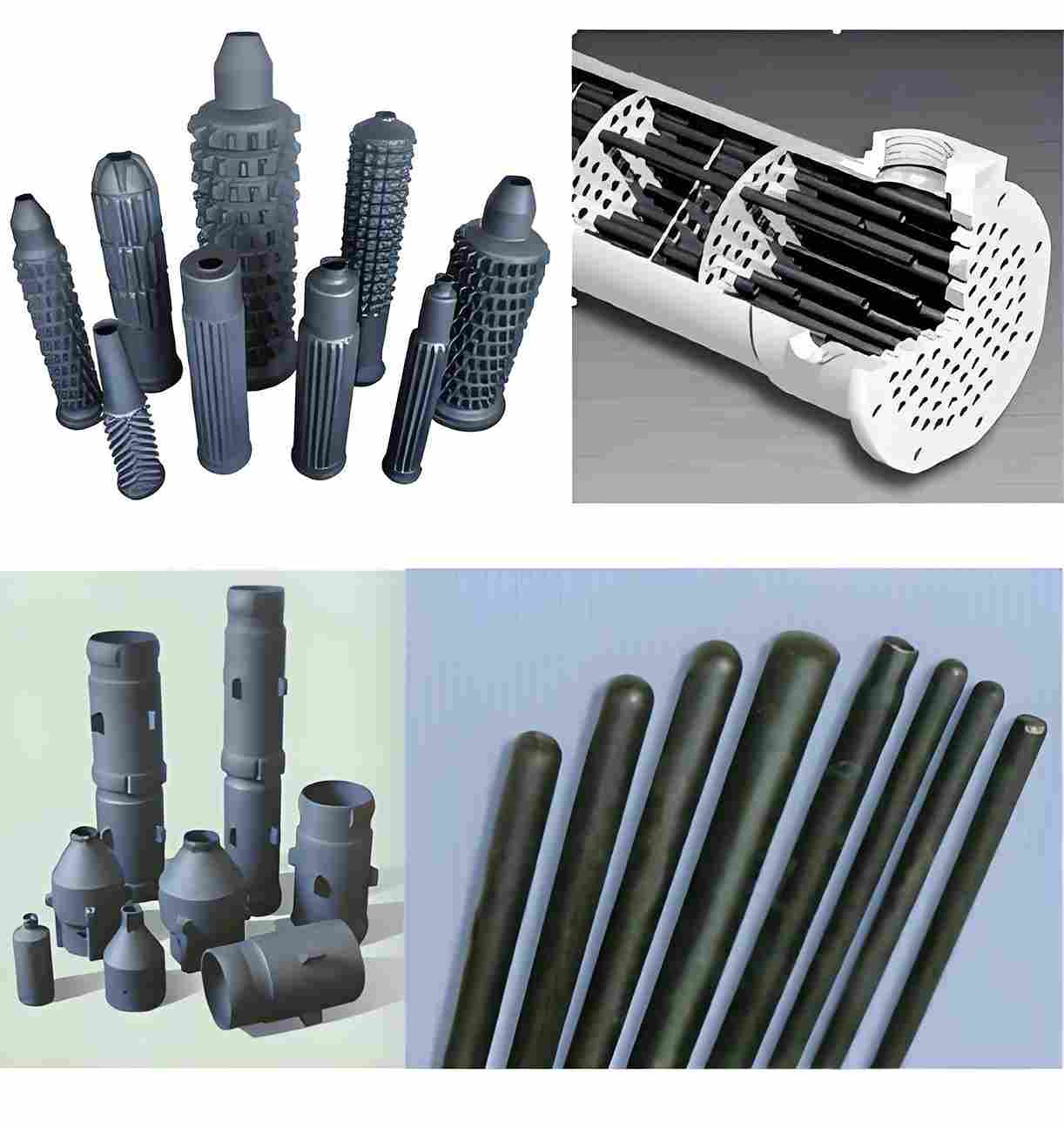
SiC tubes for efficient heat transfer
In high-temperature furnaces, radiant and heat exchanger tubes made from SiC can:
- Maintain straightness and clearance at elevated temperature, preventing hot and cold spots.
- Provide better thermal conductivity than many standard refractories, moving heat into the process faster.
- Survive more cycles without creep or cracking, reducing the number of times you need to cool and reopen the furnace.
For example, upgrading critical zones to silicon carbide tubes can support higher firing temperatures, shorter cycles, or both – all of which improve energy efficiency per unit of product.
SiC plates and kiln furniture for stable firing
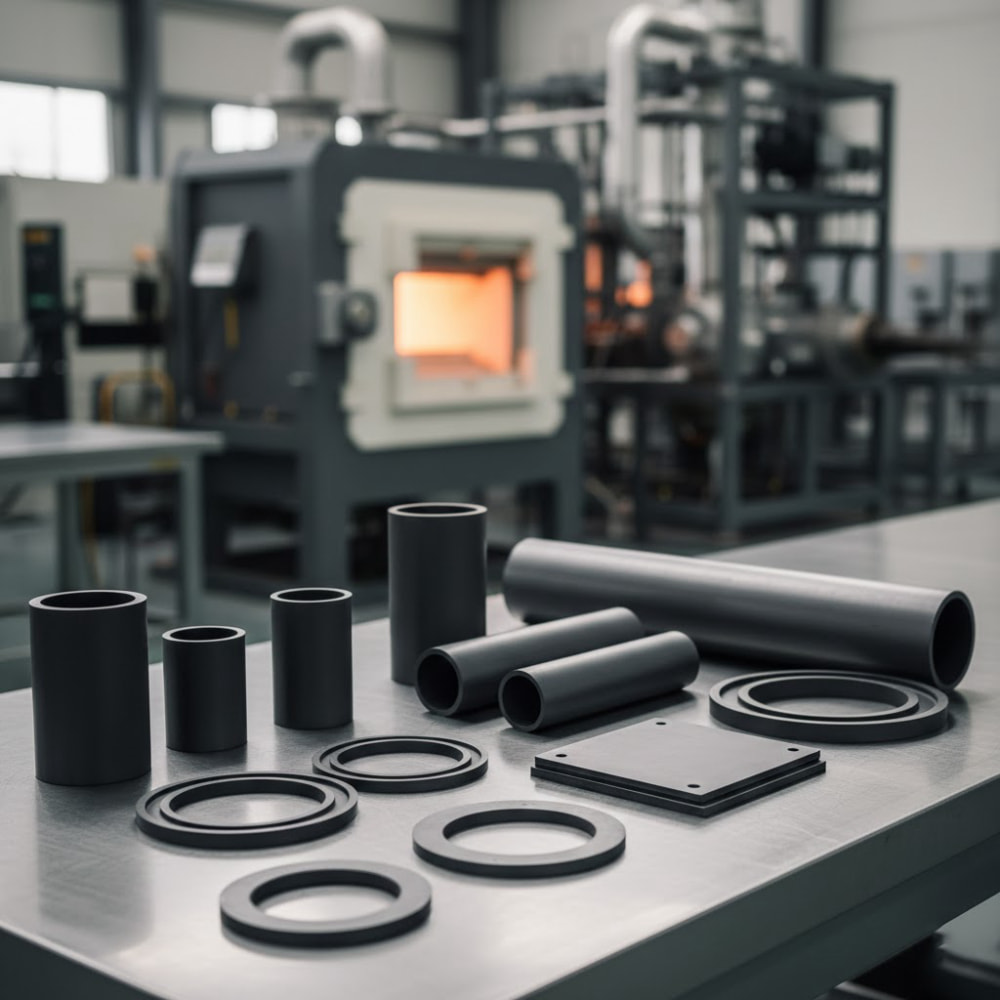
In ceramic, powder, and heat-treatment kilns, warped or cracked furniture wastes energy and product. Engineered silicon carbide plates and kiln furniture help by:
- Maintaining flatness over many firing cycles, supporting uniform heating and consistent product quality.
- Allowing lighter, thinner designs that heat up and cool down faster, reducing thermal mass inside the kiln.
- Reducing the frequency of rebuilds and emergency repairs, which saves both fuel and labor.
3. Heat recovery and heat exchangers: capturing more useful energy
Many plants are adding waste heat recovery systems to improve energy efficiency. Silicon carbide components are often used in the hottest, most corrosive sections where metals and basic refractories fail quickly.
- SiC heat exchanger tubes can handle corrosive flue gases and high temperatures while maintaining wall thickness and structural integrity.
- Good thermal conductivity helps transfer more heat into secondary circuits such as preheating combustion air or process fluids.
- Longer life reduces leaks and unplanned outages, so the heat recovery system actually delivers the savings it was designed for.
The result is a higher percentage of fuel energy recovered and reused instead of being lost out the stack.
4. Pumps, valves, and process lines: reducing losses and failures
Energy efficiency is not only about furnaces. In many plants, pumps, valves, and fluid handling systems quietly waste energy through friction, leakage, and frequent repairs.
Silicon carbide components like seal rings, sleeves, and wear inserts help by:
- Reducing friction and leakage in pumps and valves, which lowers energy consumption per unit of flow.
- Maintaining tight clearances and surface quality over longer operating periods, supporting stable performance.
- Extending the time between maintenance stops, which in turn reduces start-up and shutdown losses.
Better sealing and lower wear directly support higher overall system efficiency, especially in continuous-process plants.
5. Clean energy and green process applications
Silicon carbide is also increasingly used in systems directly related to green technology and decarbonization efforts.
- Chemical and environmental equipment: SiC liners, plates, and nozzles resist corrosive, high-temperature gases and liquids in flue gas treatment, waste incineration, and pollution control.
- Solar and battery production: high-temperature furnace and process components made from SiC help maintain process stability and product quality over long campaigns.
- Hydrogen and new fuels: in emerging processes with aggressive media and high temperatures, SiC provides durability where metals and simple refractories struggle.
In all these cases, a more stable ceramic component means less downtime, more consistent product, and better use of the energy invested in each process step.
6. Life-cycle perspective: fewer replacements, lower total impact
Green technology is not only about efficiency during operation; it also considers the full life cycle. Even if a silicon carbide component has a higher embodied energy than a basic brick or steel part, the total impact can still be lower because:
- SiC parts often last several times longer under the same conditions.
- Fewer replacements mean less manufacturing, fewer shipments, and fewer disposal events.
- Each avoided shutdown saves fuel and reduces emissions from reheating cycles.
When you calculate energy use and emissions per ton of product or per operating hour, silicon carbide often improves the overall footprint even though it is a “premium” material.
7. How to use SiC strategically in your efficiency projects
If you are planning energy-efficiency upgrades or green-technology investments, silicon carbide should not just be an afterthought in a BOM. Treat it as a design variable in your efficiency plan:
- Identify the hottest and most abrasive zones in your furnaces, kilns, and process lines.
- Map where current materials cause heat loss, short life, or process instability.
- Work with an SiC supplier to define targeted upgrades – tubes, plates, nozzles, seal rings – in those locations.
- Measure not only lifetime but also fuel use, cycle time, and uptime before and after the change.
This makes it easier to justify the investment and to prioritize which components to convert first.
8. FAQ – Silicon carbide and energy efficiency
Q1: Does using silicon carbide always make a system more energy efficient?
A: Not automatically. SiC helps most where there is a clear problem with high-temperature strength, wear, or thermal performance. When it is applied in the right locations – tubes, plates, burners, wear parts – it can significantly improve uptime and reduce fuel per unit of output.
Q2: Is silicon carbide only useful for very high temperatures?
A: It is strongest at high temperature, but it also adds value at moderate temperatures where abrasion, corrosion, and reliability drive energy waste. The more expensive downtime is, the easier it is to justify SiC upgrades even below “extreme” conditions.
Q3: How can I quantify the energy benefit of switching to SiC components?
A: Track fuel consumption, throughput, and uptime before and after upgrading selected components. Focus on: (1) reduced rebuild frequency, (2) shorter heating cycles, and (3) more consistent product quality. These metrics show how silicon carbide contributes to energy efficiency at the plant level.
Conclusion
Green technology is not just about new fuels and control systems; it also depends on smarter use of materials in the harshest parts of industrial equipment. Silicon carbide components – tubes, plates, seals, and custom parts – help plants:
- Run hotter and more efficiently without constant failures.
- Capture and reuse more waste heat.
- Reduce energy waste from unplanned downtime and repeated rebuilds.
- Lower the life-cycle impact of critical high-temperature and high-wear components.
Used strategically, SiC is not just a “high-tech ceramic,” but a practical tool for making industrial growth cleaner, more efficient, and more sustainable.