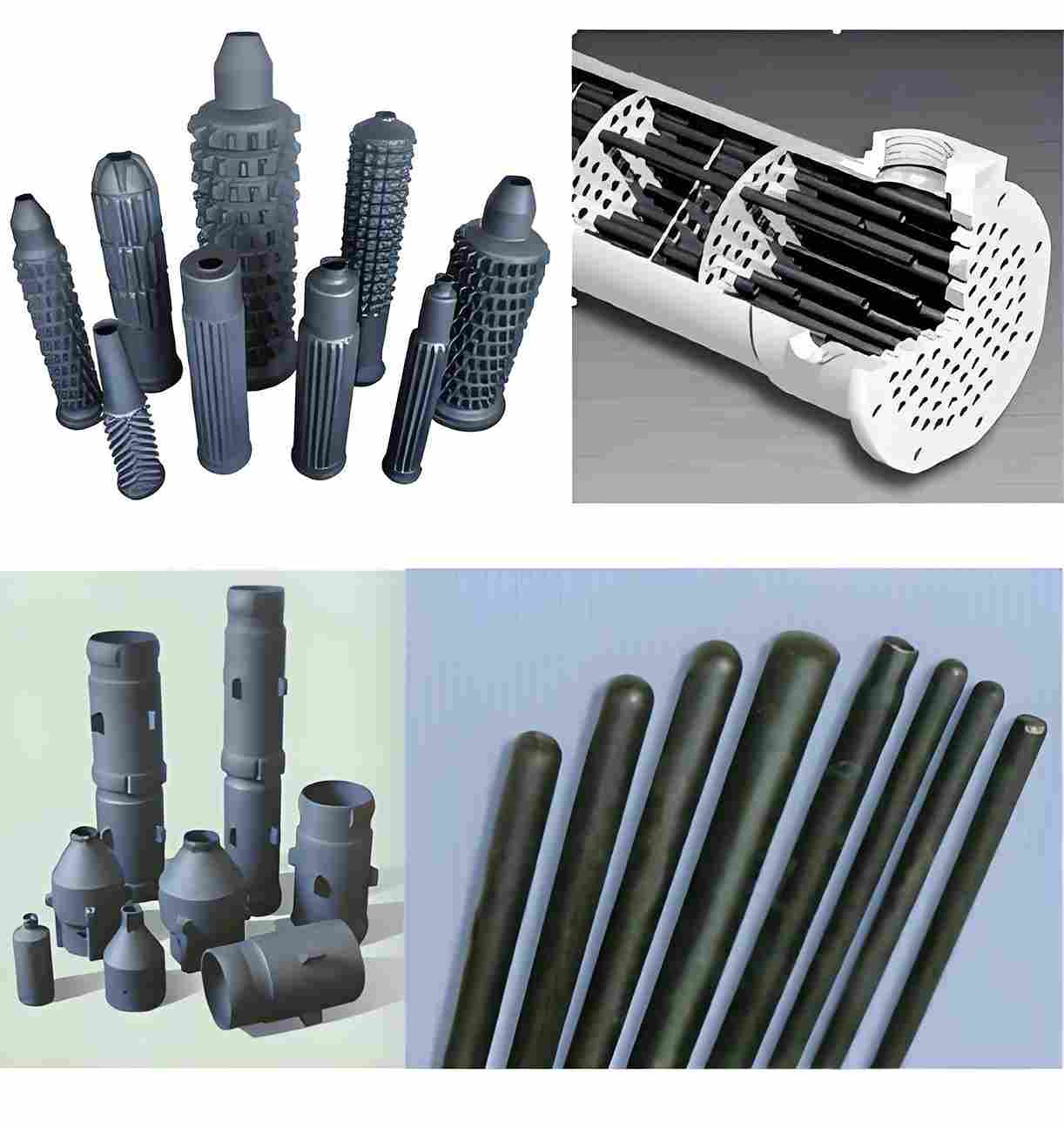
Choosing the right crucible is one of the most important decisions in any metal melting operation. If the crucible fails, you are not just losing a batch of metal – you risk damaging the furnace, stopping production and putting operators at risk.
Silicon carbide (SiC) crucibles are widely used for non-ferrous metal melting and heat treatment because they combine high thermal conductivity, excellent thermal shock resistance and strong mechanical strength at temperature. But not every SiC crucible is suitable for every metal or furnace.
This guide explains the key points you should consider when selecting silicon carbide crucibles for metal melting applications: temperature, alloy type, furnace design, crucible shape and lifetime expectations.
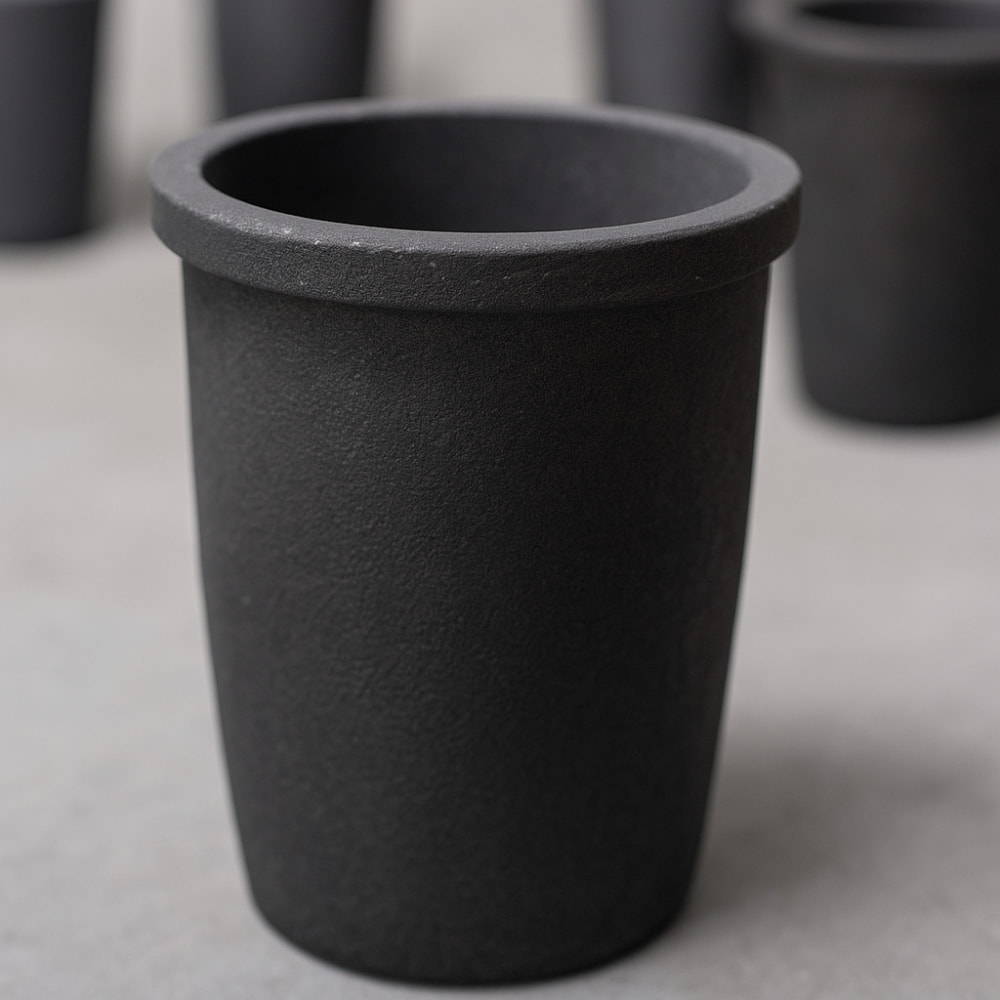
Why Crucible Selection Matters in Metal Melting
Typical problems that show your current crucible choice is not a good match:
- Crucibles cracking or spalling during heat-up or pouring
- Metal leakage through micro-cracks or joints
- Excessive oxidation, glazing or erosion on the hot face
- Metal contamination from crucible material reactions
- Short and unpredictable service life, with frequent emergency replacements
These failures usually result from one or more of the following:
- Operating temperature too close to the crucible material limit
- Alloy chemistry not compatible with the crucible material
- Wrong wall thickness or shape for the furnace and charging practice
- Incorrect preheating and shutdown procedure
- Poor handling, storage and maintenance
Good silicon carbide crucible selection starts from understanding your melting process in detail.
Key Parameters You Must Clarify Before Choosing a SiC Crucible
1. Metal type and alloy composition
Different metals attack crucibles in different ways. At a minimum, identify:
- Base metal: aluminium, copper, brass/bronze, zinc, precious metals, etc.
- Alloy details: alloying elements (Mg, Si, Zn, Pb, Sn, etc.), alkali or halide salts, fluxes used
- Typical melting and holding temperatures
Silicon carbide crucibles are widely used for:
- Aluminium and aluminium alloys
- Copper and copper alloys (brass, bronze)
- Precious metals and special alloys (with suitable linings and practices)
If you melt strongly reactive alloys, you may need a special grade or internal coating to minimise reactions.
2. Operating temperature and thermal cycle
- Maximum melting temperature (°C)
- Holding temperature and time at temperature
- Number of thermal cycles per day/week
- Heating method: gas-fired, oil-fired, electric resistance or induction
Silicon carbide crucibles can typically operate in the range of approx. 1000–1600 °C depending on the grade and furnace atmosphere. For aluminium and copper alloys, the working temperature window is usually well within the safe range, but you still need to respect thermal shock limits and ramp rates.
3. Furnace type and atmosphere
- Furnace type: crucible furnace, tilting furnace, induction furnace, resistance furnace, etc.
- Firing: direct-fired, indirect-fired, covered or open flame
- Atmosphere: oxidising flue gas, neutral, slightly reducing
For direct-fired furnaces, flame impingement and local overheating can be critical. For electric or induction furnaces, temperature gradients may be lower, but thermal shock during charging and pouring still matters.
4. Charging practice and mechanical load
- Do you charge cold ingots/scrap into a hot crucible?
- Do you use heavy solid blocks that can impact the crucible wall?
- Do you top-charge or bottom-charge?
Severe charging practice (big cold scrap dropped onto a hot crucible) creates very strong thermal and mechanical shock, which must be reflected in crucible material and wall thickness selection.
5. Lifetime expectations and cost balance
- Target number of heats or cycles per crucible
- Downtime cost per furnace stop
- Acceptable crucible cost per heat
Sometimes a more expensive high-grade SiC crucible is actually cheaper per tonne of metal melted because it delivers a much longer and more predictable life.
Silicon Carbide Crucibles vs Other Crucible Materials
To understand when SiC crucibles are a good choice, it helps to compare them with other common crucible materials.
| Property / Aspect | Silicon Carbide Crucible | Clay-Graphite Crucible | Alumina Crucible |
|---|---|---|---|
| Typical max service temp (°C) | Approx. 1500–1600 (grade dependent) | Approx. 1300–1400 | Approx. 1600–1750 |
| Thermal conductivity | High – fast heat transfer and efficient melting | Medium – good but lower than SiC | Low to medium – slower heat transfer |
| Thermal shock resistance | Very good | Good | Moderate – sensitive to thermal shock |
| Oxidation resistance | Very good in many furnace atmospheres | Limited – graphite can oxidise at high temperature | Good |
| Mechanical strength at temperature | High | Medium | Medium to high |
| Typical use | Non-ferrous metal melting, high-performance furnaces | General foundry work at moderate temperature | Laboratory and special high-temperature processes |
| Relative cost | Higher initial cost, lower cost per heat if used correctly | Lower cost, shorter life in severe conditions | High, often used for lab/special applications |
For many non-ferrous foundries and heat-treatment furnaces, silicon carbide crucibles offer the best balance between speed, energy efficiency and lifetime, especially when melting and holding aluminium, copper and their alloys.
Design Considerations for Silicon Carbide Crucibles
1. Crucible shape
Common shapes include:
- Straight-sided crucibles
- Tapered crucibles
- Tilting furnace shapes
- Special shapes for induction coils or tight furnace chambers
The shape must fit the furnace geometry, charging pattern and pouring method. Poorly matched shapes create local hot spots and stress concentrations.
2. Wall thickness
Wall thickness is a trade-off between:
- Mechanical strength and shock resistance (thicker walls)
- Thermal efficiency and melting speed (thinner walls)
For severe charging and heavy mechanical loads, a slightly thicker wall is normally recommended. For clean charging and good temperature control, thinner walls may deliver better melting efficiency.
3. Capacity and freeboard
- Specify working capacity (kg or litres) and allow some freeboard above the metal level.
- Do not overfill crucibles; repeated overfilling increases thermal and mechanical stress on the rim and upper wall.
4. Furnace support and lining contact
- Check how the crucible is supported by the refractory lining or stands.
- Avoid point contacts and hard edges that can create local stress points.
- Allow for thermal expansion so the crucible is not locked in place when hot.
Good Practice: Using and Maintaining SiC Crucibles
Preheating
- Follow the manufacturer’s recommended preheating curve for new crucibles.
- Raise temperature gradually, especially for the first heat.
Charging
- Avoid dropping large cold scrap directly onto the hot crucible wall.
- Place larger pieces gently and surround them with smaller charge to buffer thermal shock.
Pouring and cooling
- Avoid extreme temperature swings between heats if possible.
- Do not quench hot crucibles with water or cold air.
Inspection and replacement
- Inspect crucibles regularly for cracks, excessive oxidation or distortion.
- Replace before a crack grows through-wall and causes a metal leak.
How Zirsec Supports Your Crucible Selection
Zirsec manufactures industrial-grade silicon carbide ceramics with over 20 years of production experience. For crucible users, we focus on:
- Material matching: Selecting suitable SiC grades for your alloy, furnace and operating conditions.
- Shape and design: Matching crucible geometry to your furnace and charging practice.
- Small-batch customisation: Supporting small trial orders and custom shapes based on drawings or samples.
- Process and quality control: Consistent material quality and controlled sintering for reliable performance.
If you share your alloy, furnace type, temperature, capacity and expected lifetime, our engineers can recommend a SiC crucible solution that balances performance and cost per heat.
Case Example: Extending Crucible Life in Aluminium Melting
Background
An aluminium foundry using gas-fired crucible furnaces experienced frequent breakdowns of their previous crucibles, with average life around 60 heats. Cracks often appeared near the metal line and the furnace had to be stopped unexpectedly.
Findings
- Charging practice included dropping large cold ingots into hot crucibles.
- Furnace flame impinged directly on one side wall.
- Crucible shape and wall thickness were not optimised for the furnace geometry.
Solution
- Switch to a silicon carbide crucible grade with higher thermal shock resistance.
- Adjust wall thickness to increase strength in the most stressed areas.
- Modify charging practice to reduce impact and thermal shock.
- Improve burner positioning to reduce local hot spots on the crucible wall.
Result
- Average crucible life increased from about 60 to over 150 heats.
- Unplanned furnace stoppages due to crucible failure dropped significantly.
- Total crucible cost per tonne of aluminium melted was reduced, even though the unit price was higher.
FAQ – Silicon Carbide Crucibles for Metal Melting
Q1. What metals are silicon carbide crucibles suitable for?
Silicon carbide crucibles are commonly used for aluminium and aluminium alloys, copper and copper alloys (such as brass and bronze), some precious metals and other non-ferrous alloys, depending on the grade and protective practices used.
Q2. What is the typical maximum temperature for a silicon carbide crucible?
Typical working ranges are up to around 1500–1600 °C for many SiC crucible grades, provided the furnace atmosphere and mechanical loading are appropriate. The exact limit depends on the specific crucible material and design.
Q3. How does a silicon carbide crucible improve melting efficiency?
Silicon carbide has high thermal conductivity, which allows heat to pass quickly through the crucible wall and into the metal. This often results in faster melting, better temperature control and lower energy consumption compared to some alternative materials.
Q4. How can I extend the life of my silicon carbide crucibles?
Follow proper preheating procedures, avoid severe thermal shock, charge metal carefully to reduce impact, keep the flame from hitting one spot directly, and inspect crucibles regularly. Replacing crucibles before severe cracking prevents catastrophic failures.
Q5. Can silicon carbide crucibles be used in induction furnaces?
Yes, there are silicon carbide crucible designs suitable for induction furnaces. However, the crucible must be specifically engineered for the coil design, frequency and power level. Always consult your supplier with full furnace details.
Q6. What information should I provide to Zirsec when requesting a crucible quotation?
To get a precise recommendation, share your metal type and alloy, furnace type, maximum temperature, capacity, desired crucible shape, expected number of heats and any known issues with your current crucibles. Drawings or photos of your furnace setup are also very helpful.
Need help selecting the right silicon carbide crucible? Contact Zirsec with your alloy, furnace and lifetime requirements, and our engineers will help you specify a crucible that meets your technical and cost targets.