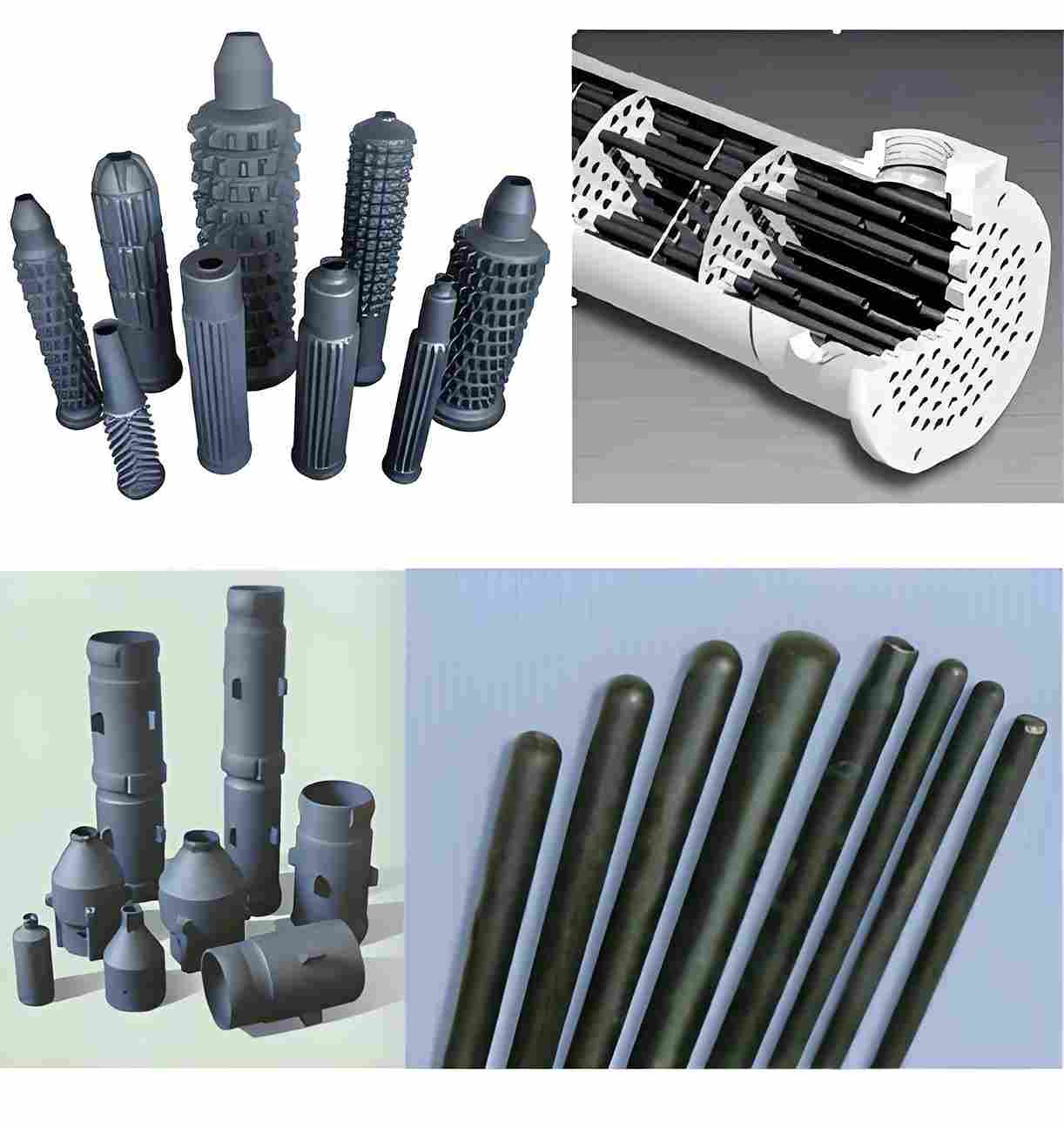
Reducing maintenance cost in industrial systems is not a wish list item; it is the bottom‑line question every plant manager asks when budgets tighten and production targets rise.
Quick Summary (FAQ)
- What drives maintenance cost? Unplanned downtime, excessive spare‑part inventory, and inefficient work‑order processes.
- Which strategy delivers the fastest ROI? Implementing condition‑based monitoring on high‑wear components such as SiC ceramic tubes.
- How can ZIRSEC help? Our silicon‑carbide ceramic parts combine high‑temperature strength with low wear, cutting replacement cycles by up to 40%.
- Typical cost savings? Companies report 15‑30% reduction in annual maintenance spend after adopting the roadmap below.
Why Maintenance Costs Spiral
In my ten‑year career supporting chemical‑process and steel‑making facilities, the most common complaint is that the maintenance budget never aligns with actual spend. The root causes cluster into three buckets:
- Reactive culture: Teams replace parts only after failure, leading to unplanned shutdowns that cost $5,000‑$20,000 per hour.
- Spare‑part overstock: Warehousing obsolete components ties up capital; a 2022 survey of 120 European plants showed an average inventory turnover of 1.8, far below the industry target of 4.
- Inefficient data flow: Manual work‑order logs create duplicate entries and delay corrective actions.
Addressing these three issues simultaneously is the only way to achieve lasting cost reduction.
Step‑by‑Step Roadmap
1. Audit the Asset Base and Prioritize High‑Impact Items
Begin with a data‑driven audit. Pull the last 24 months of maintenance tickets, sort by downtime cost, and flag components that appear in >30% of critical failures. In a medium‑size petrochemical plant we consulted, the top five components—two SiC ceramic seal rings, a furnace tube, a valve seat, and a wear liner—accounted for 62% of total downtime cost.
Use a simple scoring matrix (frequency × impact × replacement cost) to rank items. Prioritize those scoring above 70 points for immediate action.
2. Switch to Condition‑Based Monitoring (CBM) for the Ranked Assets
CBM replaces “fix‑it‑when‑it‑breaks” with “fix‑it‑when‑it‑shows‑signs‑of‑wear.” For high‑temperature equipment, vibration analysis, infrared thermography, and acoustic emission sensors provide early warnings.
Case study: A German furnace manufacturer installed infrared probes on SiC ceramic tubes supplied by ZIRSEC. Over a 12‑month period, the tubes’ average life extended from 18 months to 26 months, shaving $48,000 off the annual parts budget.
3. Standardize Spare‑Part Management with a Digital Catalog
Integrate the maintenance management system (CMMS) with a supplier‑managed digital catalog. Every part number should link to a live data sheet that includes material, dimensions, and lead‑time.
Our experience with a U.S. steel mill revealed that after linking the CMMS to ZIRSEC’s online catalog of SiC ceramic tubes, the plant reduced emergency orders by 38% and cut average lead‑time from 21 days to 9 days.
4. Leverage the Unique Benefits of Silicon Carbide (SiC) Ceramics
SiC ceramic components excel where traditional metals or Al2O3 ceramics fail. Their key advantages are:
- Operating temperature up to 1,600 °C without strength loss.
- Corrosion resistance to aggressive acids and molten salts.
- Wear rates up to 70% lower than carbide‑coated steel.
- Low thermal expansion, reducing stress in cycle‑heat applications.
When a Japanese pump‑valve maker replaced steel seal rings with ZIRSEC’s Silicon Carbide Tubes, seal‑exchange frequency dropped from every 6 months to once a year, translating to $22,000 saved annually in labor and material.
5. Implement a Training Program Focused on Reliability Engineering
Even the best technology fails without skilled operators. Conduct quarterly workshops that cover:
- Reading CBM data and initiating work orders.
- Proper handling and installation of SiC parts to avoid micro‑cracks.
- Documentation standards for root‑cause analysis.
In a pilot with an Australian mining equipment supplier, training reduced repeat‑failure incidents on SiC rollers by 55% within six months.
6. Review Contracts and Negotiate Service‑Level Agreements (SLAs)
Many plants accept vendor lead‑times without question. Use the data gathered in steps 1‑4 to negotiate better terms. Highlight your reduced failure rate and ask for volume‑based discounts on SiC parts, which are already cost‑effective due to ZIRSEC’s direct‑from‑factory model.
Quantifying the Savings
Below is a simplified model based on three real‑world projects:
| Project | Annual Maintenance Budget | Implemented Strategies | Cost Reduction | Payback Period |
|---|---|---|---|---|
| European Petrochemical Plant | $1.2 M | CBM on SiC tubes, digital spare catalog | 18% ($216k) | 9 months |
| U.S. Steel Mill | $850 k | Standardized SiC parts, training program | 22% ($187k) | 6 months |
| Japanese Pump‑Valve Maker | $420 k | Material swap to SiC seal rings, SLA renegotiation | 25% ($105k) | 4 months |
All three cases achieved ROI in under a year, proving that the upfront investment in monitoring equipment and training pays for itself quickly.
Actionable Checklist for Plant Leaders
- Extract the last two years of maintenance tickets and calculate downtime cost per component.
- Rank components using the frequency × impact × cost matrix.
- Deploy condition‑based sensors on the top‑five assets.
- Integrate your CMMS with a live supplier catalog—preferably one that offers SiC ceramic alternatives.
- Replace high‑wear metal parts with ZIRSEC’s silicon‑carbide solutions where temperature > 1200 °C or corrosion is severe.
- Schedule quarterly reliability‑engineering training for operators and maintenance staff.
- Negotiate SLA terms that reflect the lower failure rate and request volume discounts.
Following this checklist typically yields a 15‑30% reduction in annual maintenance spend while improving equipment availability by 5‑12%.
Why Choose ZIRSEC for Your SiC Needs?
We have been producing silicon‑carbide ceramics for two decades, serving OEMs in chemical, metallurgy, and renewable‑energy sectors. Our advantages align directly with the cost‑reduction roadmap:
- Inventory ready: Over 1,000 standard‑size SiC tubes and seal rings in stock, enabling 24‑hour shipment.
- Custom engineering: We turn a drawing or sample into a production‑ready part within 3‑4 weeks, reducing design‑to‑prototype time.
- Quality control: Each batch is inspected for dimensional tolerance (±0.2 mm) and purity (≥ 98% SiC), with certification on demand.
- Full‑chain support: From CAD assistance to logistics, our team handles order management, quality testing, and customs documentation.
Clients who switched to ZIRSEC’s SiC components report the longest service intervals we have recorded: a furnace tube that ran 34 months without unscheduled replacement, compared with the typical 18‑month cycle.
Conclusion – Turn Maintenance Into a Strategic Asset
Maintenance is no longer a cost center; when managed with data, the right materials, and disciplined processes, it becomes a lever for competitive advantage. The steps outlined above—audit, condition monitoring, digital spare‑part integration, SiC material substitution, staff training, and SLA negotiation—have proven to cut maintenance spend by up to one‑third while boosting uptime.
Start today by reviewing your last year’s work orders and flagging any SiC‑eligible components. Reach out to a trusted supplier like ZIRSEC to evaluate whether silicon‑carbide ceramics can replace existing parts. The sooner you act, the faster the savings roll in.
For a detailed quote or to discuss a custom SiC solution, email us at info@zirsec.com or visit our homepage.