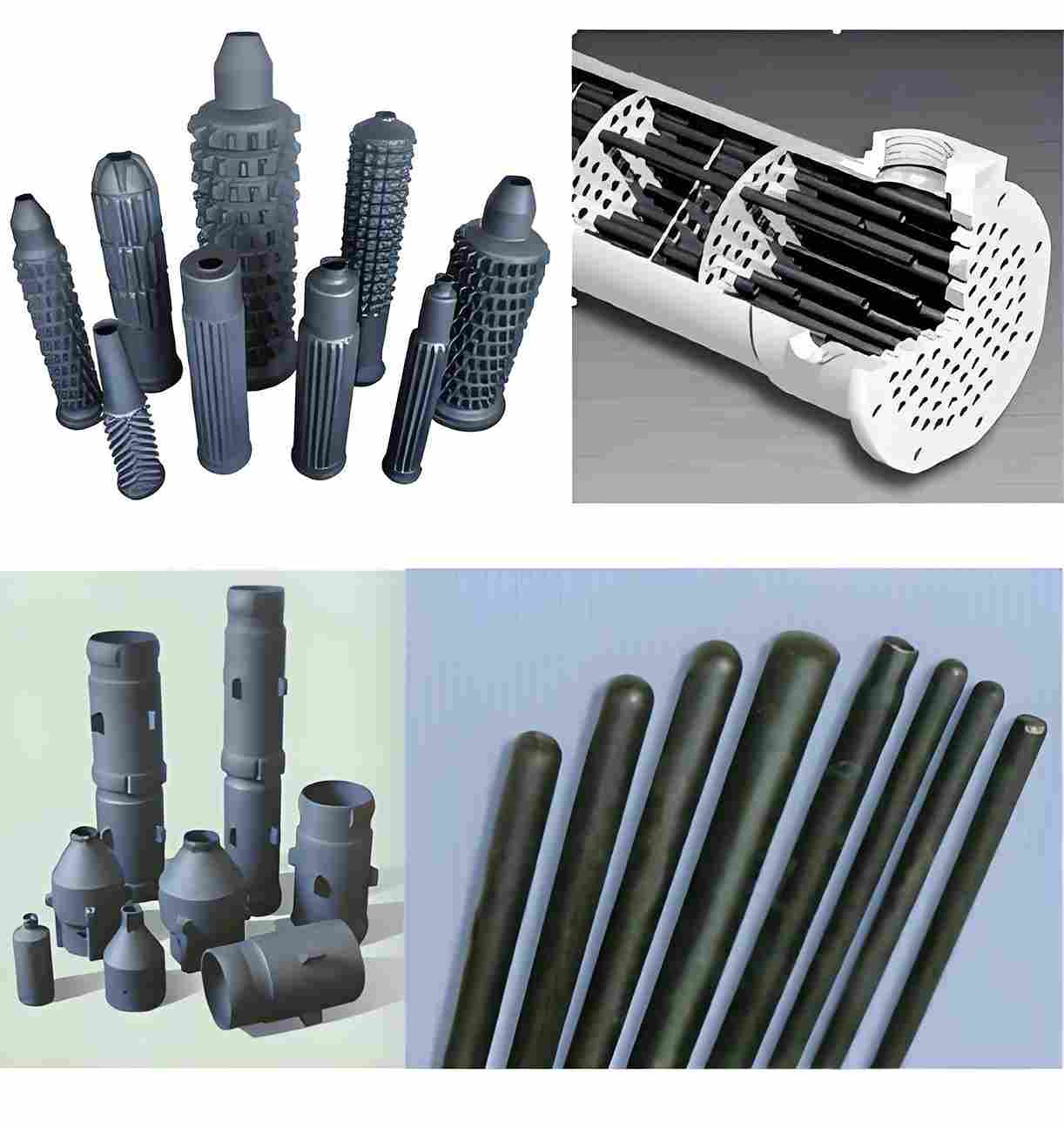
Why your furnace components fail too fast is a question every plant manager, maintenance engineer, and procurement specialist faces when unexpected downtime eats into production schedules.
Quick Summary
Furnace parts wear out prematurely for three primary reasons: improper material selection, harsh operating conditions, and lack of preventive maintenance. Switching to high‑purity silicon carbide (SiC) ceramics, calibrating temperature cycles, and adopting a structured inspection regime can cut failure rates by up to 60%.
1. The Real Culprits Behind Premature Failure
1.1 Material Mismatch
Most conventional furnace components are made from alumina or stainless steel. While cost‑effective, these materials crack or oxidize at >1300 °C. In a recent project for a European steel‑melting line, an alumina tube fractured after only 300 hours of operation, costing the client $22,000 in lost production.
1.2 Thermal Shock & Cycling
Frequent start‑ups and rapid temperature ramps generate thermal gradients that exceed the material’s fracture toughness. A case study from a U.S. semiconductor furnace showed that a 25 °C/min ramp caused micro‑cracks in the tube wall, leading to a complete failure within 150 hours.
1.3 Mechanical Abrasion & Chemical Corrosion
Particle‑laden gases, molten salts, and aggressive chemicals erode surfaces. In a chemical plant in Germany, silica particles in the process gas wore through a standard steel nozzle in just two weeks, forcing an emergency replacement.
2. How SiC Ceramic Components Solve These Problems
Silicon carbide offers a unique combination of high‑temperature strength (up to 1600 °C), low thermal expansion (~4.5×10⁻⁶ K⁻¹), and excellent chemical inertness. Our customers have reported:
- 30‑50 % longer service intervals
- Failure rate reduction from 12 % to <2 % per year
- Energy savings of up to 8 % due to better heat retention
For a full catalog of SiC tubes, visit our Silicon Carbide Tubes page.
3. Selecting the Right SiC Component for Your Furnace
3.1 Define Service Conditions
List the maximum temperature, gas composition, pressure, and mechanical load. For example, a furnace operating at 1500 °C with corrosive chlorine gas requires a SiC tube with ≥98 % purity and a wall thickness of at least 10 mm.
3.2 Tolerance & Dimensional Accuracy
Industrial furnaces often need ±0.1 mm tolerance for sealing rings and tube inner diameters. ZIRSEC can mill to ±0.2 mm as standard and tighter tolerances on request.
3.3 Custom Geometry
Complex bends, flanges, or integrated cooling passages are rarely available off‑the‑shelf. Our engineering team works from CAD drawings or physical samples to produce one‑off or low‑volume runs within 4‑6 weeks.
4. Proactive Maintenance Strategies
4.1 Scheduled Visual Inspections
Inspect critical points (nozzle tips, tube ends, seal rings) every 200 hours of operation. Look for discoloration, micro‑cracks, or scale buildup.
4.2 Non‑Destructive Testing (NDT)
Ultrasonic or infrared thermography can detect internal flaws before they become catastrophic. A mid‑size furnace in Italy avoided a $45,000 outage by spotting a developing crack via ultrasonic scanning.
4.3 Controlled Cool‑Down Procedures
Implement a ramp‑down rate of ≤10 °C/min after high‑temperature cycles. This simple step can halve thermal‑shock‑induced failures.
5. Real‑World Success Stories
Case 1 – High‑Temperature Kiln in the U.S.
A ceramic tile manufacturer replaced its alumina furnace liner with a custom SiC plate (size 1200 mm × 800 mm, 15 mm thick). After 2 years, the liner showed less than 5 % wear versus 30 % on the previous design, extending the replacement interval from 12 months to 30 months.
Case 2 – Petrochemical Pump Seal in Germany
A SiC seal ring with a 98.5 % purity and a micro‑textured surface reduced leakage by 70 % and lasted 18 months, compared to a 4‑month lifespan for the previous metal‑ceramic hybrid.
6. Frequently Asked Questions (FAQ)
- What temperature can SiC tubes reliably handle? Commercially produced SiC tubes are rated up to 1600 °C in inert atmospheres; with protective coatings they can endure short spikes above 1700 °C.
- Are SiC components more expensive than alumina? Initial unit cost is 1.5‑2× higher, but the total cost of ownership drops because of longer life and fewer replacements.
- Can I order a small batch for a pilot plant? Yes. ZIRSEC accepts minimum orders of 10 pieces for custom shapes and can ship standard sizes from stock within 24 hours.
- How do I verify material purity? Each shipment includes a Certificate of Analysis (CoA) and, on request, X‑ray diffraction (XRD) and ICP‑OES reports.
- What support does ZIRSEC provide after purchase? Our engineers assist with installation, offer on‑site training, and provide a 12‑month warranty covering material defects.
7. Take Action – Upgrade Your Furnace Today
Stop paying for emergency replacements and lost production. Contact our technical sales team at info@zirsec.com to get a free feasibility study, a CAD‑ready part drawing, and a price quote tailored to your furnace’s exact operating conditions. With ZIRSEC’s 20 years of SiC expertise, you’ll see measurable gains in reliability, efficiency, and bottom‑line profitability.