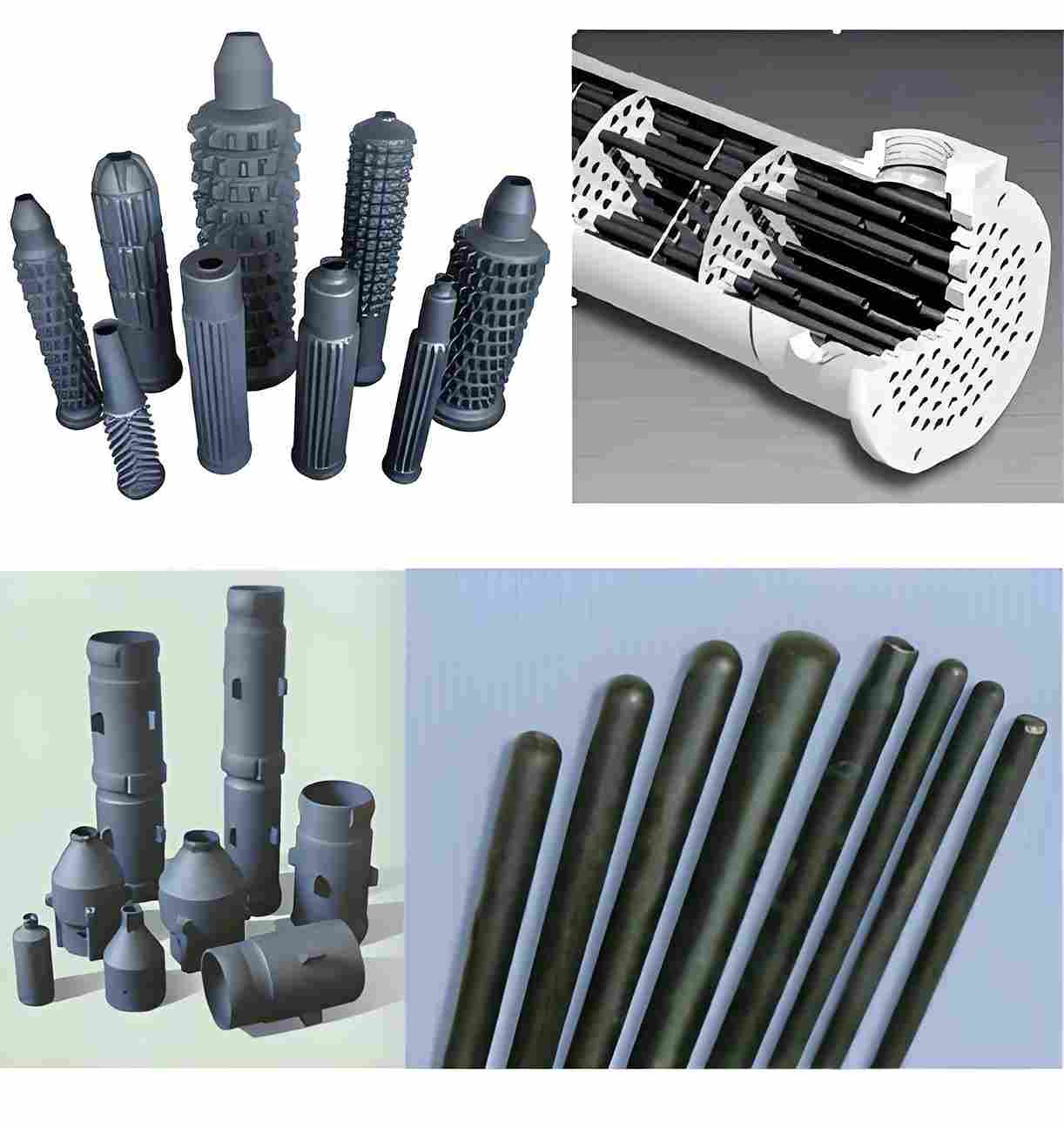
Silicon carbide ceramics(sic) are ideal materials for a wide range of industries due to their excellent characteristics such as chemical stability, high temperature resistance, wear resistance, corrosion resistance, high thermal conductivity, low thermal expansion coefficient, and high hardness.
Characteristics of Silicon Carbide Ceramics
Silicon carbide ceramics are ideal materials for a wide range of industries due to their excellent characteristics such as chemical stability, high temperature resistance, wear resistance, corrosion resistance, high thermal conductivity, low thermal expansion coefficient, and high hardness.
(1)High strength at high temperatures, with minimal high-temperature creep, making them suitable for various high-temperature environments.
(2)Low thermal expansion coefficient, high thermal conductivity, and excellent thermal shock resistance.
(3)High chemical stability, with outstanding corrosion resistance.
(4)High hardness and relatively low friction coefficient, offering excellent wear resistance.
(5)Low density and high elastic modulus.
(6)Electrical properties can be modified through doping, allowing for transitions from insulator to semiconductor to conductor.
(7)Excellent chemical stability and high-temperature phase stability, providing superior corrosion resistance.
What are the Synthesis Methods for SiC?
Due to the strong covalent bonding of silicon carbide and its low diffusion coefficient, one of the main challenges in the preparation process is achieving sintering densification. The common methods for preparing high-density silicon carbide ceramics include reaction sintering, pressureless sintering (normal pressure sintering), hot-pressing sintering, and hot isostatic pressing (HIP).
| Preparation Method | Chemical Vapor Deposition (CVD) | Reaction Sintering | Pressureless Sintering | Hot Pressing |
| Theoretical Density (g/cm³) | 3.2 | – | 3.2 | 3.15–3.20 |
| Sintered Relative Density (%) | >99.99 | 2.9–3.1 | >95 | >98.0 |
| Flexural Strength at RT (MPa) | 375 | 150–450 | 400–600 (Solid-State) | 600–1000 |
| 750–900 (Liquid-Phase) | ||||
| Fracture Toughness (MPa·m¹ᐟ²) | 3.1–3.5 | 2.5–4.5 | 3.5–4.5 (Solid-State) | 4.1–5.2 |
| 8.0–10.0 (Liquid-Phase) | ||||
| Weibull Modulus | 12 | 12 | 15 | 12–18 |
| Elastic Modulus (GPa) | 440 | 300–393 | 410–430 | 420–450 |
| Poisson’s Ratio | 0.17 (0.14~0.21) | |||
| Vickers Hardness (HV, kg/mm²) | 2550–2850 | – | 2600 | 2500–2700 |
| Rockwell Hardness (HRA) | 93–95 | 93–95 | 92–95 | |
| Friction Coefficient | 1150–1200 | – | 1150–1250 | 1100–1200 |
| Thermal Expansion Coefficient (×10⁻⁶/°C, RT–1000°C) | 2.2 (RT) | 4.5–5.0 | 4.2–4.5 | 4.5 |
| 4.0 (1000°C) | ||||
| Thermal Conductivity (W·m⁻¹·K⁻¹) | 200–300 | 70–125 | 100–150 | 180 |
| Thermal Shock Resistance | 157 | – | 180 | 164 |
Reaction Sintering
Process: High-purity silicon is heated or silicon dioxide is reduced, or polysilane is thermally decomposed to obtain liquid silicon or silicon vapor. The liquid silicon or silicon vapor infiltrates the porous silicon carbide and carbon body, reacting with carbon to form silicon carbide. This is done at temperatures between 1450-1750°C.
Features: Reaction sintering requires lower temperatures, simpler equipment, and lower costs. The volume shrinkage during sintering is usually within 3%, and the process allows for accurate dimensional control, making it suitable for complex-shaped products.
Pressureless Sintering (Normal Pressure Sintering)
Pressureless sintering includes both solid-phase sintering and liquid-phase sintering densification.
Solid-phase sintering: Uses submicron-sized silicon carbide powder as raw material, with boron carbide and carbon as sintering aids, and sintering is done at 2000-2200°C in a vacuum or argon atmosphere. This results in a relative density of over 95%.
Liquid-phase sintering: Uses alumina, yttria, or other systems as liquid-phase sintering aids, with sintering temperatures between 1900-2100°C, resulting in a relative density of over 97%. This method does not require external pressure, making it cost-effective and adaptable to various molding methods.
Hot Pressing Sintering
Similar to pressureless sintering, hot pressing also requires sintering aids such as boron carbide, alumina, aluminum, aluminum nitride, boron nitride, and boron oxide. The typical pressure used in hot pressing ranges from 20-40 MPa, with sintering temperatures between 1900-2100°C.
Features: Hot-pressed silicon carbide ceramics have high strength and high density but require high equipment costs and low production yields, which makes them suitable for critical applications that demand high mechanical performance and reliability.
Hot Isostatic Pressing (HIP)
There are two HIP processes: one where the silicon carbide green body is encapsulated in a high melting point glass before sintering, and another where pre-sintered samples are further densified by hot isostatic pressing. The process can significantly improve the density of the ceramic material.
Applications of Silicon Carbide
Silicon carbide ceramics, with their excellent wear resistance, thermal conductivity, oxidation resistance, and high-temperature mechanical properties, are widely used in industries such as energy, environmental protection, chemical machinery, semiconductors, and defense.
High-Temperature Application
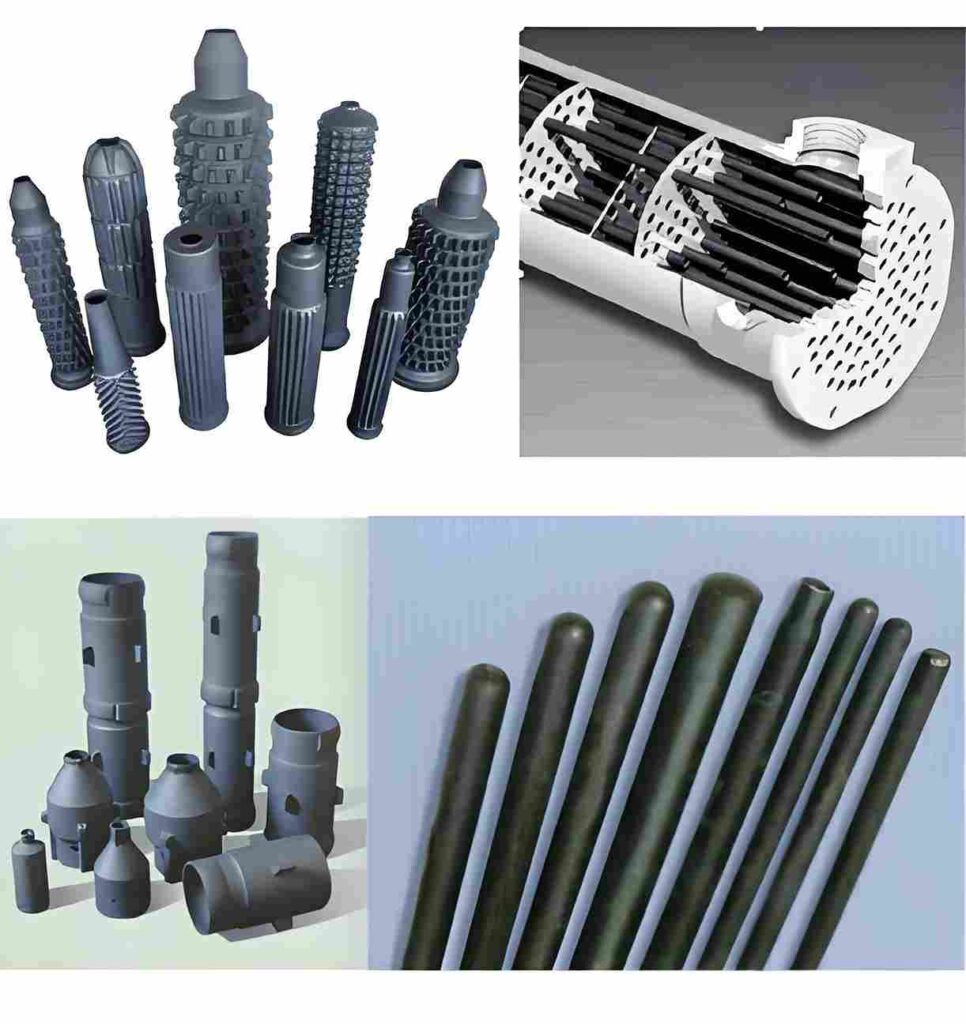
Silicon carbide ceramics are used in high-temperature kiln materials such as silicon carbide beams, cooling air pipes, and rods. Due to their outstanding high-temperature strength, excellent resistance to high-temperature creep, and thermal shock resistance, they are widely used in static engine parts in rockets, airplanes, car engines, and gas turbines.
Heating and Heat Exchange in Industrial Fields
With excellent high-temperature performance and high thermal conductivity, silicon carbide ceramics are used in industrial furnace heat exchange systems in industries like steel and metallurgy. Typical products include silicon carbide burner nozzles, heat exchangers, radiation tubes, and thermocouple protection tubes.
Corrosive Environments
Due to their excellent chemical and physical stability, silicon carbide ceramics are ideal for use in desulfurization nozzles and chemical industry components, such as magnetic pumps and shield pumps.
Wear-Resistant Mechanical Applications
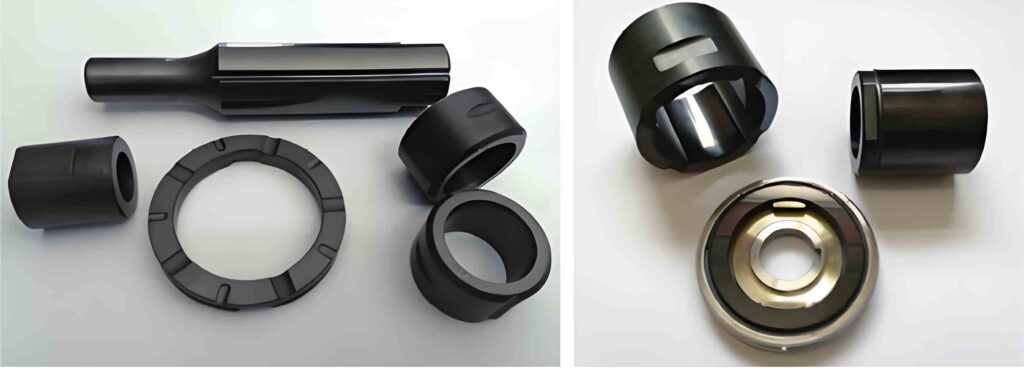
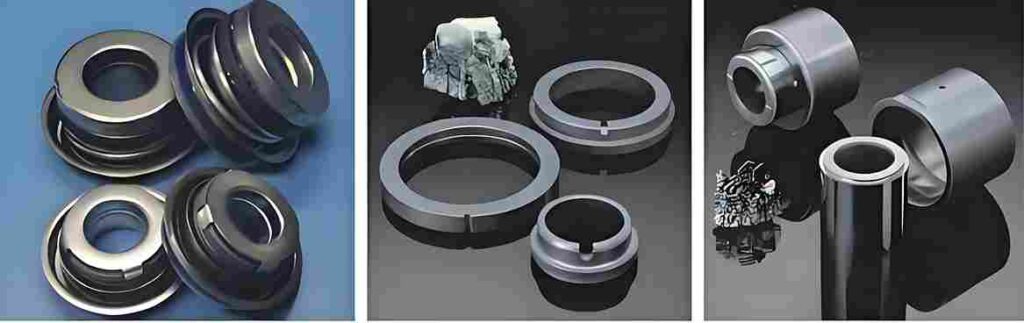
Silicon carbide’s high hardness and low friction coefficient give it excellent wear resistance, making it suitable for various sliding wear applications. It can be fabricated into seals with high dimensional accuracy and surface finish, which are used in harsh environments with long lifespans and good air tightness.
Defense and Military Applications
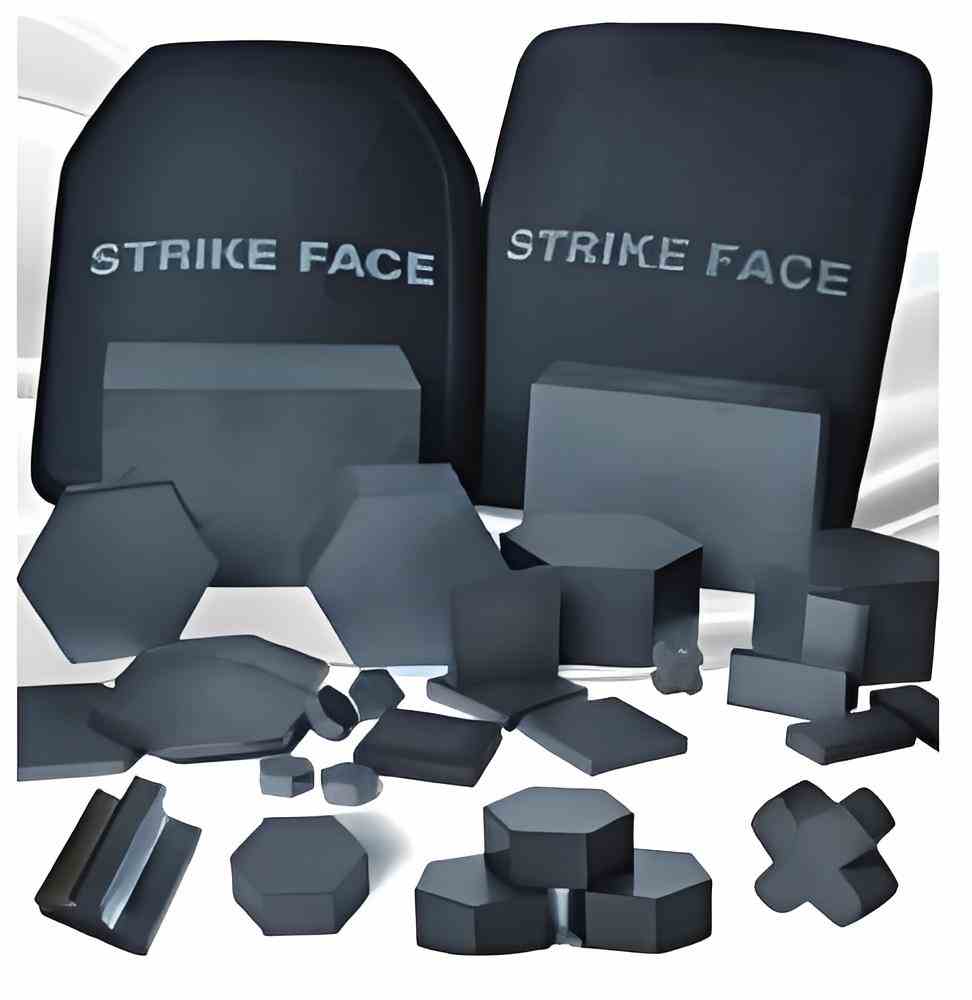
Silicon carbide is considered one of the most promising materials for ballistic armor. It is used in the production of bulletproof vests and armored vehicles. Silicon carbide armor plate hardness is second only to diamond and boron carbide, with a Mohs hardness of 9.2-9.6, offering high hardness and elastic modulus.
Semiconductor Applications
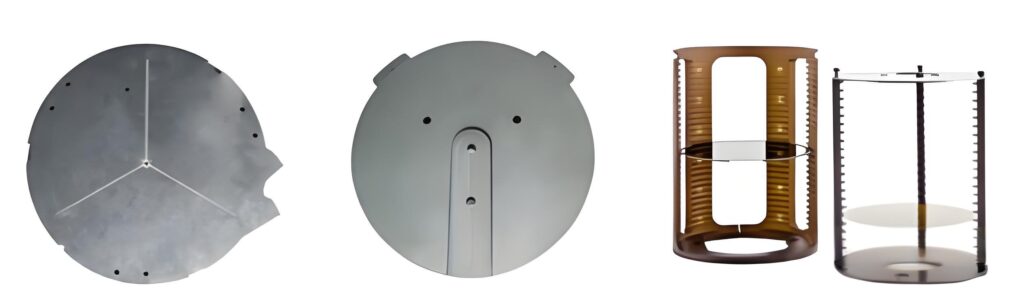
In the semiconductor industry, silicon carbide is used to make high-precision grinding discs, suction cups, crystal boats, and fixtures. It offers high purity, strong resistance to chemical and ion corrosion, and excellent durability.
Optical Field
Silicon carbide materials in the optical application field are light in weight, high in specific stiffness, and low in thermal expansion coefficient, which can meet the requirements of space reflectors for the physical, optical, and process properties of materials.
China leading SIC Supplier-Zirsec
Zirsec’s silicon carbide ceramics offer exceptional high-temperature, wear, and corrosion resistance, widely used in aerospace, energy, and ballistic armor industries. With tailored solutions and strong after-sales support, Zirsec helps clients enhance efficiency and reduce maintenance costs.Contact us for a free sample