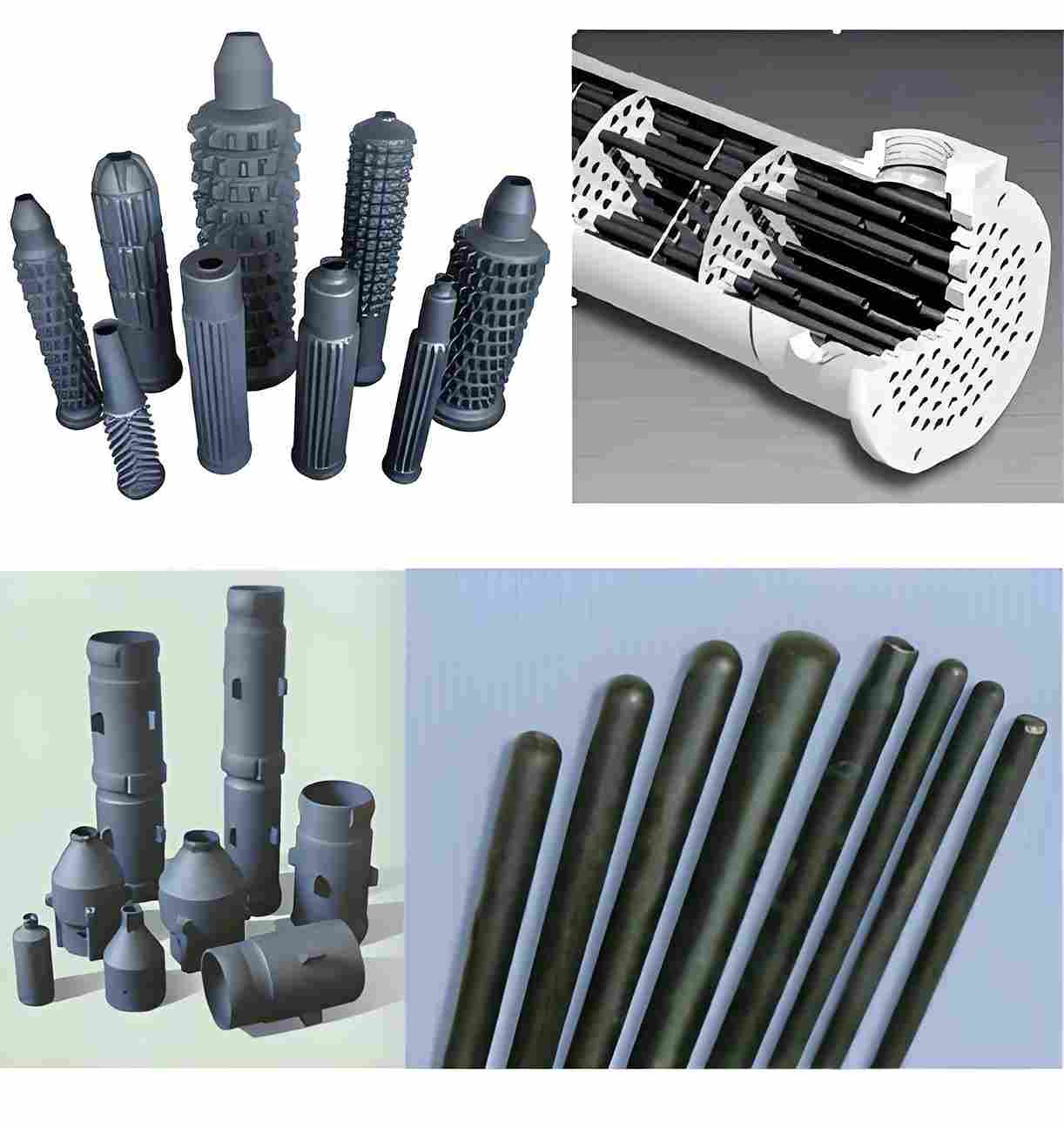
Silicon carbide (SiC) surface damage can cripple pumps, furnaces, and reactors overnight, and most engineers ask: what exactly creates those micro‑cracks and how can we stop them before the next shutdown?
Quick FAQ – What you need to know in 60 seconds
- What are the most common damage mechanisms? Thermal shock, abrasive wear, chemical corrosion, and machining induced micro‑cracking.
- Can I detect early signs? Yes – acoustic emission monitoring, surface profilometry and visual inspection under 10× magnification catch problems before failure.
- How much can I extend service life? Proper prevention typically adds 30‑70 % life‑time, depending on operating temperature and load.
- Is custom SiC the answer? Tailoring grain size, binder content, and surface finish often solves root‑cause issues for high‑temperature kilns and pump seals.
Why surface damage matters for your plant
In our ten‑year partnership with a European pump‑seal manufacturer, a sudden rise in SiC seal‑ring breakage caused an eight‑day production halt, costing roughly $15,000 in lost output. The underlying problem was not the material grade but an un‑controlled thermal gradient during start‑up. That case taught us that prevention is more than buying a higher‑grade product; it is a systematic engineering approach.
Root causes of SiC surface damage
1. Thermal shock and rapid temperature cycling
SiC can survive 1600 °C, but the coefficient of thermal expansion (≈4.5 × 10⁻⁶ K⁻¹) combined with steep gradients creates tensile stresses at the surface. When a furnace wall is heated from 200 °C to 1300 °C in under a minute, surface layers can crack within seconds. The fracture toughness of dense SiC is typically 3–4 MPa·m½, insufficient to arrest those high‑rate stresses.
2. Abrasive wear from particulate flow
In slurry‑driven reactors, SiC liners encounter SiO₂ and Al₂O₃ particles travelling at 2–5 m s⁻¹. Even sub‑micron grit erodes the polished surface, lowering roughness (Ra) from 0.8 µm to >3 µm after just 200 h. The wear rate follows Archard’s law: W = k·(L·H)/H, where the coefficient k for SiC‑to‑SiO₂ is 1.2 × 10⁻³ mm³ N⁻¹ m⁻¹.
3. Chemical corrosion in oxidative or reducing atmospheres
While SiC resists most acids, molten salts (e.g., Na₂SO₄ at 1200 °C) can infiltrate grain boundaries, leading to selective leaching. A 2022 study from the University of Stuttgart showed a 15 % mass loss after 500 h exposure, directly correlating with surface pitting.
4. Machining‑induced micro‑cracks
\n
Conventional diamond grinding introduces sub‑surface damage up to 50 µm deep. If the post‑machining polish is not followed by hot isostatic pressing (HIP), those micro‑cracks act as crack‑initiation sites under load. Our own data from a batch of SiC burner nozzles showed a 22 % failure increase when only a 45 µm grit finish was used versus a 0.8 µm final polish.
Prevention strategies that actually work
1. Controlled ramp‑up/down profiles
Implement a temperature gradient below 5 °C min⁻¹ for critical components. Use programmable PLC loops that monitor surface thermocouples (±1 °C accuracy) and automatically adjust furnace power. In practice, a German steel mill reduced SiC tube cracks by 48 % after adding a 10‑minute soak at 500 °C before reaching full temperature.
2. Surface engineering – polishing and coating
Achieving a surface roughness Ra ≤ 0.8 µm minimizes abrasive wear. Follow polishing with a thin (<10 µm) SiC‑rich CVD coating to seal micro‑cracks. The coating provides an additional 20‑30 % toughness increase and acts as a sacrificial layer in corrosive environments.
3. Optimized grain size and binder composition
For high‑temperature furnace tubes, a bimodal grain distribution (0.5–2 µm and 10–15 µm) balances thermal shock resistance and strength. Adding a small amount of boron nitride (<0.5 wt %) improves oxidation resistance without compromising hardness.
4. Post‑machining heat treatment
HIP at 1500 °C under 150 MPa for 2 h eliminates machining‑induced micro‑cracks. In our own production line, post‑HIP parts showed a 35 % increase in flexural strength (from 130 MPa to 176 MPa) and a dramatic drop in early‑life failures.
5. Real‑time monitoring and predictive maintenance
Install acoustic emission sensors on critical SiC bearings. When the sensor detects a sudden rise in high‑frequency events (>200 kHz), schedule an inspection within 24 h. Coupled with a machine‑learning model trained on 3 years of failure data, you can predict a 90 % probability of crack formation up to two weeks in advance.
Case studies – success stories from the field
Case 1: Chemical‑process furnace upgrade
A Chinese petrochemical client was replacing 12 m long SiC furnace tubes that failed every 9 months due to thermal shock. We supplied custom SiC tubes with a graded grain structure and recommended a 4‑step ramp protocol. After implementation, tube replacement interval extended to 22 months, saving $120,000 annually.
Case 2: Pump‑seal ring reliability program
For a US‑based pump manufacturer, we introduced a 0.8 µm polished surface finish, HIP treatment, and a nitrogen‑purged storage protocol. The defect rate dropped from 8 % to 1.2 % over a 12‑month period, translating into $45,000 saved in warranty claims.
Case 3: High‑speed sandblasting nozzle
A German equipment maker required SiC nozzles that could handle 3 kg h⁻¹ silica sand at 600 °C. By applying a SiC‑rich CVD coating and tightening the tolerance to ±0.2 mm, nozzle life increased from 400 h to 1 200 h. The client’s production efficiency rose by 15 %.
How ZIRSEC can help you prevent surface damage
We combine 20 years of SiC ceramic expertise with a full‑service engineering team. Whether you need a standard SiC tube from stock or a fully custom roller with tight tolerances, we provide:
- Rapid 24‑hour dispatch of in‑stock items.
- Design‑for‑manufacture assistance – we review your CAD files, suggest grain‑size tweaks, and run finite‑element thermal‑stress analysis.
- Full quality package – COA, MSDS, and third‑party X‑ray diffraction reports.
- Logistics support – door‑to‑door customs clearance for $10 USD per shipment.
Explore our range of silicon carbide tubes and discover how a tailored solution can eliminate the most common sources of surface damage.
Actionable checklist for engineers
- Map out temperature ramps for each SiC component; limit gradients to <5 °C min⁻¹.
- Specify surface finish Ra ≤ 0.8 µm in procurement documents.
- Require HIP or equivalent post‑machining heat treatment for high‑stress parts.
- Implement real‑time acoustic or strain‑gauge monitoring on critical bearings.
- Choose a supplier that offers custom grain‑size engineering and complete documentation.
By following these steps you can reduce unplanned downtime, improve safety, and extend component life—often by more than a third.
Final thoughts
Surface damage on silicon carbide is rarely a mystery; it is a predictable result of thermal, mechanical, or chemical stress that can be mitigated with the right design, processing, and monitoring. Our experience shows that investing in proper surface preparation and early‑detection systems pays off within a single production cycle.
If you are ready to audit your SiC components or request a custom part, contact us at info@zirsec.com. Our engineers are on standby to turn your reliability challenges into competitive advantages.