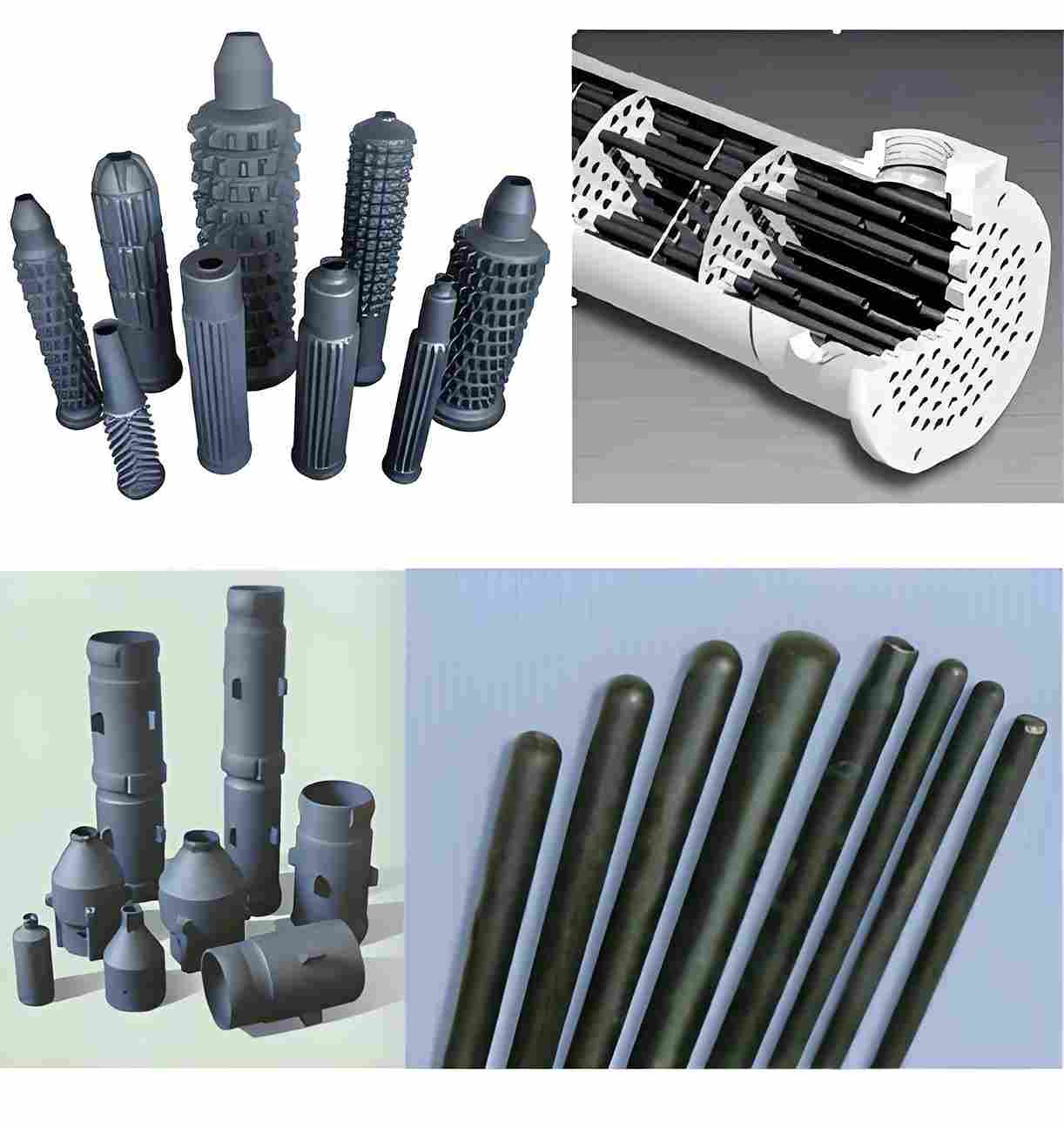
Waste incineration plants operate in some of the harshest environments in thermal processing. Mixed municipal and industrial wastes create unpredictable combustion conditions, highly corrosive flue gases and intense slagging. Refractory linings in furnaces, throats and boiler inlets are constantly attacked by a combination of chemicals, abrasion and thermal shock.
Silicon carbide solutions for refractories – including tiles, plates, blocks and burner components – offer a practical way to extend lining life and stabilise performance in waste incineration plants. With excellent high-temperature strength, corrosion resistance and erosion behaviour, silicon carbide (SiC) helps protect the most vulnerable areas of the system.
This article explains the challenges of waste-to-energy furnaces, why silicon carbide refractories perform better in critical zones and what to consider when specifying SiC-based components.
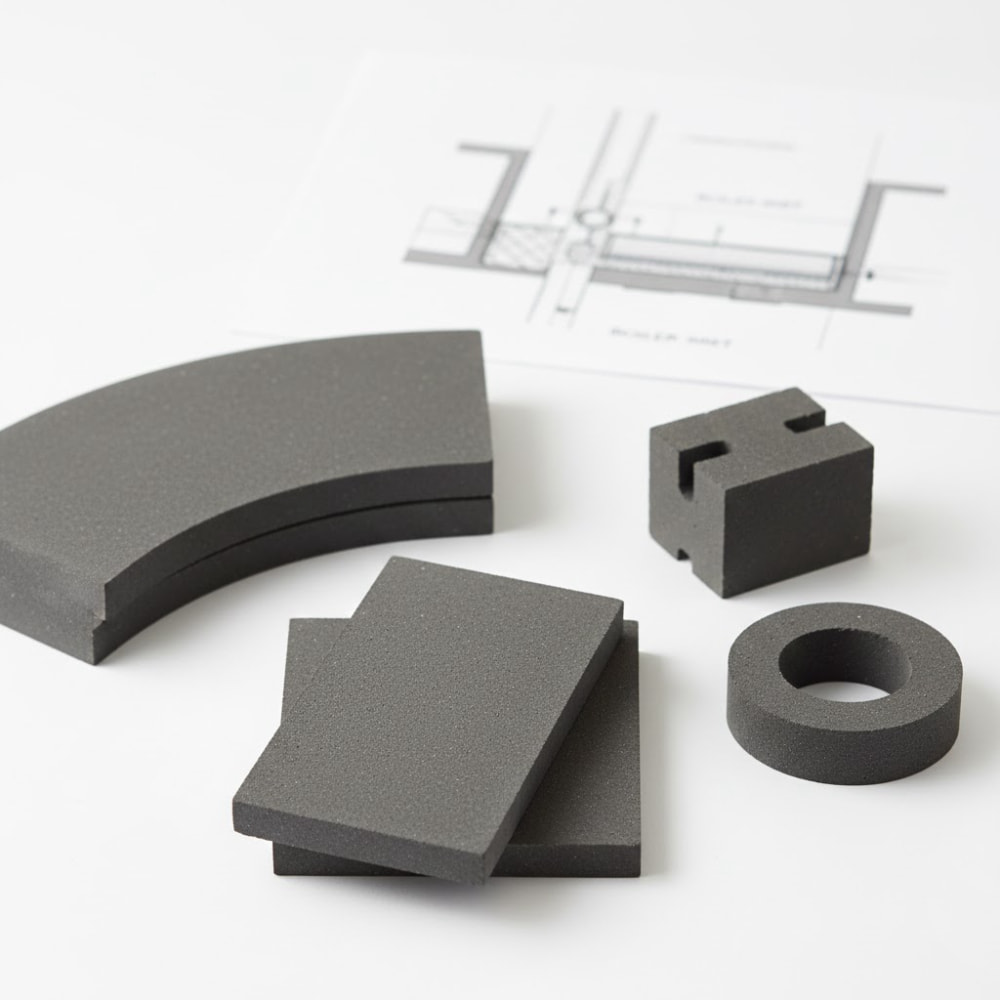
Why Refractories Fail Early in Waste Incineration Plants
Waste incineration lines – grate furnaces, rotary kilns or fluidised beds – see a combination of stress factors that are more severe than in many standard boilers:
- Chemical attack: chlorine, sulphur, alkalis, heavy metals and other species form aggressive slags and vapours that corrode conventional refractories.
- Slagging and fouling: molten ash and sticky deposits attack and infiltrate linings, especially in the furnace, throat and first pass of the boiler.
- Erosion: high-velocity, particle-laden flue gas erodes surfaces in bends, inlets and nozzle zones.
- Thermal shock: load changes, start–stop operations and local flame impingement cause frequent temperature swings.
Traditional refractory materials can struggle in this environment, especially in:
- Throat and slagging zones above the grate or kiln outlet.
- Burner and secondary air injection areas.
- First boiler pass inlets, where gas and particulates first hit tube bundles.
- Hoppers, chutes and ash discharge zones with high abrasion.
The consequence is frequent hot repairs, shortened campaign life and unplanned outages, all of which hurt plant availability and O&M budgets.
Why Silicon Carbide Works in Waste Incineration Refractories
Silicon carbide, described in more detail in silicon carbide, offers a set of properties that directly address waste incineration challenges:
- High-temperature strength: maintains mechanical integrity in slagging and radiant zones.
- Excellent thermal shock resistance: tolerates rapid temperature changes during load swings and start-ups.
- Good oxidation resistance: stable in oxidising flue gas atmospheres at high temperature.
- High hardness and erosion resistance: resists abrasion from fly ash and slag particles.
- High thermal conductivity: helps distribute heat, reducing local hot spots in tiles and blocks.
Zirsec manufactures silicon carbide plates, tiles and custom mechanical parts that can be configured as hot-face refractories, impact liners and burner components in waste incineration plants.
Key Silicon Carbide Solutions in Waste Incineration Refractories
1. Furnace Throat and Slagging Zone Tiles
The transition between the main combustion chamber and the boiler inlet is often the most problematic zone:
- High thermal flux and intense radiation.
- Molten and semi-molten slag impacting walls.
- Strong chemical attack from chloride- and sulphur-rich gas.
Silicon carbide tiles and plates can be installed as:
- Hot-face linings in the throat region to protect underlying castables.
- Impact shields where slag and burning waste hit walls or ramp transitions.
These SiC components slow down wear, reduce local damage and make lining performance more predictable over the campaign.
2. First Boiler Pass Inlet Liners
The inlet to the first boiler pass is exposed to high gas velocities, hot ash and chemical attack. Without protection, tubes and refractories erode quickly.
Silicon carbide plates and blocks can be used as:
- Inlet liners: flat or shaped plates shielding the first row of tubes and adjacent refractories.
- Gas deflectors: SiC baffles guiding flow and reducing direct impingement on critical surfaces.
Using SiC in these high-wear zones extends the life of both tubes and backing refractories, reducing repair frequency during planned outages.
3. Burner, Lance and Secondary Air Zone Components
Burners and secondary air ports are subject to thermal shock, flame impingement and abrasion from high-velocity gas and particles.
- Silicon carbide burner tiles and nozzles: protect burner openings and help maintain stable geometry.
- SiC inserts around lances and air nozzles: resist cracking and erosion better than many conventional refractories.
Zirsec’s experience with silicon carbide nozzles and high-temperature components for industrial furnaces can be applied directly to waste incineration burner and air injection zones.
4. Ash Hoppers, Chutes and Impact Liners
Below the furnace and at the bottom of hoppers and chutes, continuous abrasion from falling slag and ash wears linings rapidly.
- SiC impact tiles: silicon carbide plates at high-impact points in hoppers and chutes.
- Wear liners: SiC tiles protecting curved or straight walls in high-abrasion zones.
By concentrating silicon carbide in these wear-critical areas, plants can stabilise material flow and reduce patch repairs during the operating campaign.
How Silicon Carbide Refractories Extend Campaign Life
Introducing silicon carbide into critical refractory zones changes both performance and maintenance patterns:
- Longer lining life: aggressive areas last closer to the rest of the refractory system, allowing full-campaign operation.
- Fewer emergency repairs: reduced risk of through-penetration failures and hot spots.
- More predictable wear: SiC components show slower, more uniform wear rates, improving planning for shutdowns.
- Potential performance gains: more stable geometry in throat and inlet zones supports better combustion and heat transfer.
Instead of letting the weakest refractory area dictate outage timing, silicon carbide upgrades help line performance up with plant availability goals.
Design Considerations When Using Silicon Carbide in Waste Incineration
1. Temperature Zones and Atmosphere
Different areas in the incineration line see different conditions. When specifying SiC components, define:
- Operating temperature and peak temperature in each zone.
- Atmosphere: oxidising, reducing pockets, or locally reducing near fuel injection.
- Slag chemistry: chloride, sulphur and alkali levels in ash and deposits.
This information guides the choice of silicon carbide grade, thickness and backing materials.
2. Anchoring and Backing Refractories
Silicon carbide elements should be treated as part of a composite lining system:
- Use appropriate anchors and keys to support SiC tiles while avoiding point loads.
- Combine SiC hot-face components with suitable castables or bricks as backing linings.
- Design expansion joints to accommodate differential movement between SiC, castables and steel.
Correct mechanical design is as important as material selection in achieving long-term performance.
3. Integration with Existing Refractory Systems
Most waste incineration plants upgrade gradually rather than replacing entire linings at once:
- Start with critical hot spots such as the furnace throat, boiler inlet and burner tile areas.
- Install SiC tiles and plates as part of the lining during scheduled shutdowns.
- Monitor wear patterns and extend SiC coverage in subsequent campaigns if benefits are clear.
Zirsec can supply silicon carbide plates, tiles and custom blocks sized to fit existing anchors, modules and lining layouts, simplifying staged upgrades.
Case Example: Extending Throat Lining Life with Silicon Carbide Tiles
Background
A waste incineration plant operating a moving-grate furnace experienced frequent refractory damage in the throat and first boiler pass inlet. Conventional castables and bricks suffered rapid chemical attack and erosion, forcing partial repairs during every major outage.
Approach
- Identify the highest-wear and highest-corrosion zones during inspection.
- Design silicon carbide tiles and plates for the throat and inlet surfaces, backed by compatible castables.
- Install SiC components with proper anchors and expansion joints during a planned shutdown.
Results
- Throat lining life increased significantly, matching or exceeding the rest of the furnace lining.
- Boiler inlet required less patching, and tube protection improved due to more stable gas flow.
- Shutdown scope in subsequent outages was reduced, lowering maintenance time and cost.
FAQ – Silicon Carbide Solutions for Waste Incineration Refractories
Q1. Can silicon carbide replace all refractories in a waste incineration furnace?
No. Silicon carbide is best used selectively in the most aggressive areas: throats, inlets, burner zones and high-wear hoppers or chutes. Core structural refractories are often kept in high-quality bricks or castables, with SiC as a hot-face layer or impact liner.
Q2. How does silicon carbide handle the corrosive chemistry of waste incineration?
Silicon carbide shows good resistance to many corrosive species in waste incineration, especially when temperatures and oxygen levels are controlled. However, detailed slag and gas chemistry should be assessed to choose the right SiC grade and backing system for each zone.
Q3. Will switching to SiC refractories change my thermal profile?
Because silicon carbide has higher thermal conductivity, local heat transfer may improve compared with dense refractories. This can be beneficial in reducing hot spots and helping heat penetrate more uniformly, but thermal models and operational data should be reviewed after installation to confirm firing behaviour.
Q4. Are silicon carbide tiles and plates difficult to install?
Installation follows standard refractory practices, provided anchors, backing materials and expansion allowances are correctly designed. Working with suppliers who understand both SiC ceramics and waste incineration lining design helps ensure smooth installation and reliable performance.
Q5. What information should I provide when asking Zirsec about silicon carbide solutions for my plant?
Provide furnace type (grate, rotary kiln, fluidised bed), fuel and waste mix, operating temperatures, known hot spots, current refractory system, failure modes and drawings or photos of the critical zones. This enables Zirsec to propose silicon carbide tiles, plates or custom blocks tailored to your specific incinerator layout and performance targets.
Planning your next waste incinerator shutdown? Introducing silicon carbide refractories in the right zones can turn chronic weak points into long-lasting, predictable linings, reducing emergency repairs and helping your plant hit availability and cost targets more consistently.